



Understanding the local forecast patterns can make everyday planning easier, whether you live in the capital, commute for work, or are visiting for business and sightseeing. New Delhi experiences a broad range of seasonal conditions, from very hot summers and humid monsoon periods to cool winters. Temperatures, humidity, rainfall, wind, and air quality can change noticeably across the year, so checking a current forecast before heading out is a useful habit.
The city’s weather is strongly influenced by its inland location and seasonal wind patterns. Unlike coastal cities, New Delhi does not receive the moderating effect of a nearby ocean. This contributes to substantial differences between summer and winter. A sunny morning can also develop into a rainy afternoon during the monsoon, while winter days may begin with dense fog and become brighter later.
How New Delhi’s Climate Changes Through the Year
Winter, spring, summer, monsoon, and the post-monsoon period each bring different conditions that affect clothing, travel, outdoor activities, and commuting.
Winter generally brings the coolest conditions, especially from December through January. Early mornings and nights can feel particularly cold, while daytime temperatures may become comfortable when sunshine appears. Fog can sometimes reduce visibility and affect road, rail, and air travel.
Spring is relatively brief. February and March often bring a gradual rise in temperature, making outdoor activities pleasant on many days. By April, warmer conditions become increasingly noticeable.
Summer usually becomes intense from April through June. May and June can bring strong heat, dry winds, and uncomfortable afternoons. Heat exposure is more important during this period, particularly for people working outdoors or traveling during the middle of the day.
The monsoon typically arrives around the middle of the year and introduces higher humidity and more frequent rainfall. Showers may be brief or prolonged, and waterlogging can affect some roads after heavy rain. September often marks a gradual transition toward drier conditions.
Weather New Delhi During Winter
For many residents and visitors, winter is one of the most comfortable periods for sightseeing and outdoor plans. The local forecast during this season can vary significantly between morning and afternoon. A light jacket may be useful at midday, while heavier layers can become necessary after sunset or during colder mornings.
Fog is an important winter factor. Reduced visibility can slow traffic and disrupt transportation schedules. Travelers with early flights or train journeys should allow additional time and monitor updates before leaving for the station or airport.
Winter also brings another consideration: air quality. Calm conditions can sometimes allow pollutants to remain concentrated near the ground. People who are sensitive to poor air quality may prefer to check both the forecast and air-quality information before scheduling long outdoor activities.
Summer Heat and Staying Comfortable
Summer planning requires a different approach. The local forecast can become very useful during hot periods because conditions may become uncomfortable during the afternoon. Outdoor errands are often easier in the morning or later in the evening, when direct heat is less intense.
Light, breathable clothing can improve comfort, while sunglasses, a hat, and adequate drinking water are useful for extended time outside. People spending several hours outdoors should take breaks in shaded or cool areas rather than remaining continuously exposed to high temperatures.
Air conditioners and cool indoor spaces provide relief, but sudden movement between very hot outdoor conditions and heavily cooled interiors can also feel uncomfortable. Keeping indoor temperatures moderate may make the transition easier.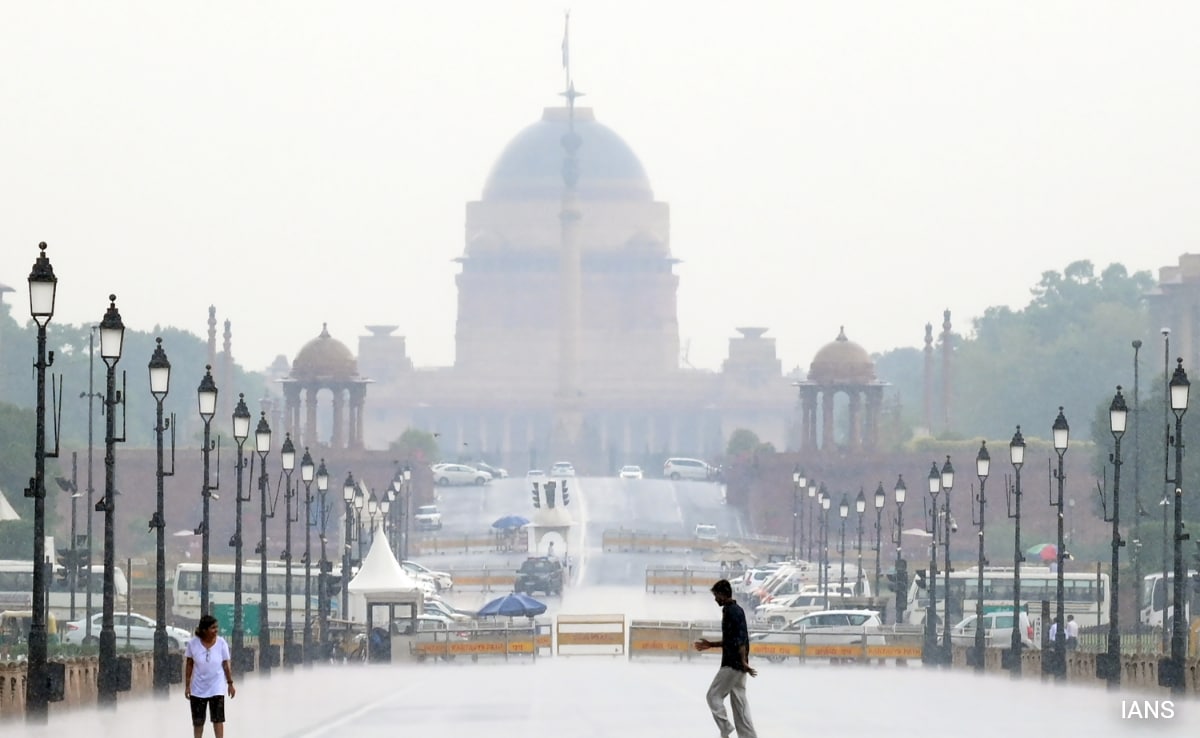
Monsoon Rainfall and Humidity
The monsoon changes the rhythm of daily life in New Delhi. The local forecast becomes particularly useful when rain is expected because a short period of heavy precipitation can affect traffic, walking routes, and outdoor plans.
Humidity can make temperatures feel warmer than the thermometer suggests. Roads may become slippery, drainage systems can become stressed during intense showers, and visibility may fall during heavy rain. People commuting by two-wheelers should be especially cautious and carry suitable rain protection.
A simple weather check before leaving home can help determine whether an umbrella, waterproof footwear, or extra travel time is necessary.
| Season | Typical Conditions | Planning Considerations |
|---|---|---|
| Winter | Cool, sometimes foggy | Warm layers, visibility checks |
| Spring | Mild to increasingly warm | Comfortable for many outdoor activities |
| Summer | Very hot and often dry | Hydration, shade, shorter midday exposure |
| Monsoon | Rainy and humid | Umbrella, traffic and rainfall checks |
| Autumn/Post-monsoon | Warmer to gradually cooler | Flexible clothing and outdoor planning |
How to Read a Daily Forecast
The local forecast is more useful when you look beyond the headline temperature. Information can include the expected high and low, precipitation probability, humidity, wind speed, cloud cover, and hourly temperature changes.
The “feels like” temperature can provide additional context. Humidity can make warm weather feel more oppressive, while wind can make cooler conditions feel sharper. Rain probability should also be interpreted alongside expected rainfall intensity and timing.
Weather New Delhi and Air Quality
Air quality deserves attention alongside temperature and rainfall. The local forecast can interact with atmospheric movement and affect how pollutants disperse. Calm winds, temperature inversions, and certain winter conditions may contribute to poor air quality.
People planning exercise outdoors can use both weather and air-quality readings to choose an appropriate time. On days with poor air quality, indoor activities may be a more comfortable alternative.
Planning Travel Around New Delhi Weather
Visitors can make their trips easier by matching activities to seasonal conditions. Winter mornings may require warm clothing and extra time for fog-related delays, while summer sightseeing is often more comfortable when major outdoor attractions are visited earlier in the day.
During monsoon periods, flexible schedules are helpful. Indoor museums, galleries, shopping areas, cafés, and cultural venues can provide alternatives when rain interrupts outdoor plans.
Before traveling, consider these simple steps:
- Check the forecast for each day rather than relying only on a monthly outlook.
- Look at hourly conditions when planning flights, road journeys, or outdoor events.
- Carry seasonal essentials such as water, sun protection, warm layers, or rainwear.
- Check air quality when planning prolonged outdoor activities.
Weather New Delhi for Everyday Activities
Daily routines often depend on small changes in conditions. A morning walk, school commute, office journey, market visit, or evening gathering may require different preparation depending on temperature and rainfall.
The local forecast can help people decide what to wear, when to leave, and whether an outdoor plan needs a backup option. For cyclists and motorcyclists, wind and rain deserve special attention. For pedestrians, heat, humidity, slippery surfaces, and poor visibility can affect comfort and safety.
Parents may also find forecasts useful when organizing school runs, sports activities, or weekend outings. Businesses that depend on outdoor work can use weather information to plan staffing, transportation, and task timing more effectively.
Why Hourly Weather Information Matters
A daily forecast can hide meaningful changes during the day. The local forecast may shift from a cool morning to a hot afternoon and then become more comfortable after sunset. During the monsoon, rainfall can also be concentrated within a relatively short period.
Hourly forecasts help users identify practical windows for travel and outdoor activities. They are particularly useful for photographers, event organizers, delivery workers, commuters, and anyone whose schedule depends on conditions at a specific time.
Conclusion
New Delhi’s climate is highly seasonal, and the most useful forecast is one that matches the timing and purpose of your plans. The local forecast becomes especially valuable when combined with hourly forecasts, rainfall expectations, wind conditions, and air-quality readings.
Whether the challenge is winter fog, summer heat, monsoon rain, or changing temperatures during spring and autumn, a few minutes of preparation can improve comfort and reduce avoidable travel problems. Checking updated conditions before leaving home is a practical habit for residents and visitors alike. With sensible planning and attention to changing conditions, it is easier to make the most of everyday life in India’s capital.