



Mumbai has a tropical climate shaped strongly by the Arabian Sea, making its weather noticeably different from many other Indian cities. The city generally experiences warm conditions for much of the year, while the southwest monsoon brings heavy rain and high humidity during the wet season. Understanding mumbai weather can help residents, commuters, tourists, and business travelers decide what to wear, when to travel, and how to organize outdoor activities.
The city’s coastal location keeps temperatures from becoming extremely cold during winter, but it also contributes to persistent humidity. Summer can feel hotter than the thermometer suggests, while the monsoon can bring sudden showers that affect roads, trains, flights, and outdoor plans. For this reason, checking current forecasts alongside seasonal patterns is useful before heading out.
Understanding Mumbai’s Coastal Climate
Mumbai’s climate is largely tropical and maritime. The Arabian Sea influences temperature throughout the year, reducing some of the extreme variations experienced in inland regions. Instead of four sharply separated seasons, residents usually notice three broad periods: a hot and humid summer, a wet monsoon, and a comparatively pleasant winter.
The coastal setting is one of the most important factors behind mumbai weather. Sea breezes can provide some relief during warmer periods, particularly near the coastline. However, moisture in the air can make ordinary temperatures feel considerably warmer.
Humidity is especially important when planning daily activities. A moderately warm day with high humidity may feel more uncomfortable than a hotter but drier day. People spending several hours outdoors should therefore consider both temperature and humidity instead of relying on temperature alone.
Mumbai Weather During Summer
Summer generally becomes noticeable from March and continues into May. During this period, daytime conditions can become hot, while humidity often remains significant. April and May are commonly among the more uncomfortable months because warm air combines with moisture.
For residents, summer routines often involve adjusting outdoor activities around the hottest parts of the day. Early morning and evening can be more comfortable for walking, exercising, sightseeing, or completing errands. Light clothing, adequate hydration, and protection from direct sunlight can make a substantial difference.
Air-conditioned shopping centers, offices, restaurants, and public spaces can provide temporary relief, but people who commute between indoor and outdoor environments may still experience considerable heat exposure. Anyone planning a full day outside should consider breaks and access to drinking water.
The Monsoon and Mumbai’s Rainy Season
The southwest monsoon is one of the defining features of mumbai weather. Rain usually becomes much more prominent from June and can continue into September. The city may experience periods of intense rainfall separated by shorter breaks, creating rapidly changing conditions throughout the day.
Monsoon rain affects more than umbrellas and clothing. Heavy showers can influence road traffic, local trains, buses, airport operations, and outdoor events. Waterlogging can also occur in vulnerable areas after intense rainfall, making travel times unpredictable.
A practical monsoon routine includes carrying a compact umbrella or rain jacket, protecting electronic devices from water, and leaving additional travel time. Waterproof footwear can also be useful because standing water may remain on roads and footpaths after a heavy shower.
For visitors, the rainy season has both advantages and disadvantages. The city becomes greener, the air can feel fresher after rainfall, and some landscapes become especially attractive. However, outdoor sightseeing requires greater flexibility because showers can arrive suddenly.
Winter Conditions in Mumbai
Winter is generally the most comfortable period for many people visiting the city. From roughly November through February, temperatures are usually milder, humidity may feel more manageable, and prolonged heavy rainfall is uncommon.
Unlike northern Indian cities, Mumbai does not normally experience severe winter cold. Light layers are generally sufficient for most people, although early mornings and late evenings can occasionally feel cooler, particularly near the sea.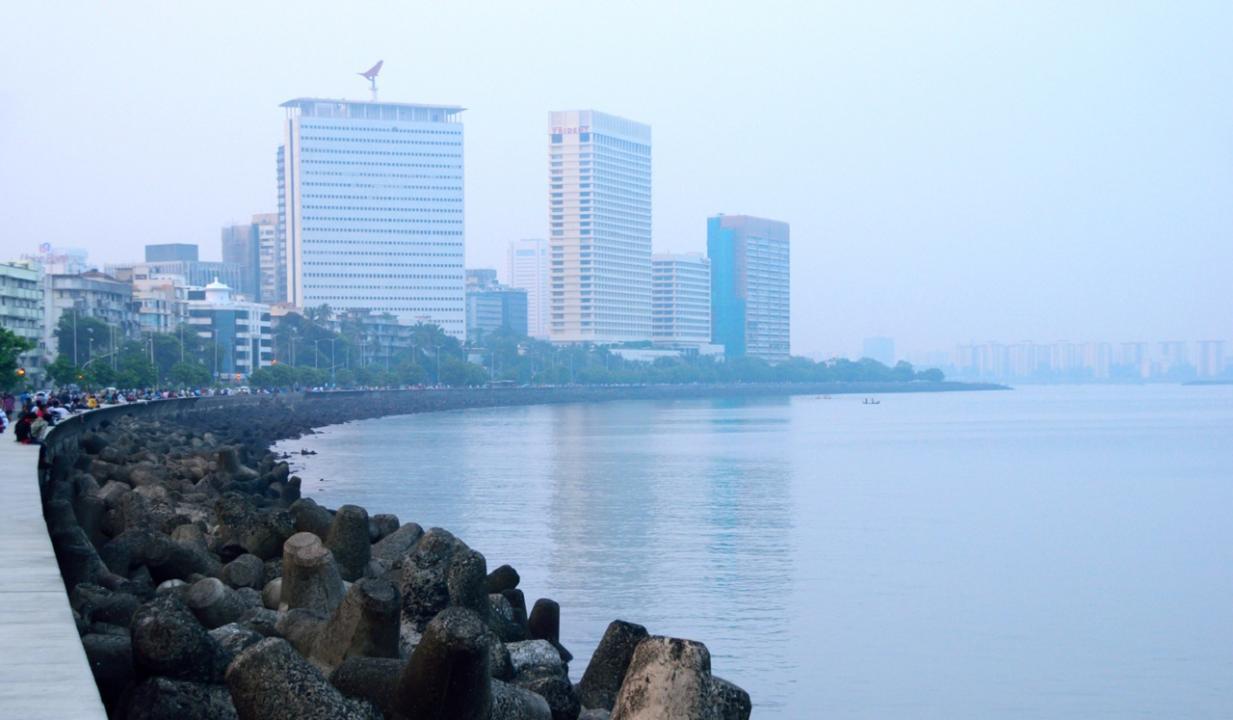
The comparatively pleasant winter climate makes this period suitable for sightseeing, beach visits, heritage walks, outdoor dining, and other activities. Visitors should still check the short-term forecast because day-to-day conditions can vary.
Quick Seasonal Overview
The following table provides a simple way to understand the broad seasonal pattern:
| Period | Typical Conditions | Planning Considerations |
|---|---|---|
| March–May | Hot, humid, increasing heat | Hydration and sun protection |
| June–September | Frequent to heavy rain, high humidity | Rain protection and extra travel time |
| October | Transition period, warm and humid | Variable conditions; check forecasts |
| November–February | Relatively mild and comfortable | Good for outdoor activities |
These are broad seasonal patterns rather than fixed daily conditions. Actual temperatures, rainfall, humidity, and wind can change from one day to another.
How Humidity Changes the Experience
Temperature alone does not tell the complete story of mumbai weather. Humidity can strongly influence how comfortable a particular day feels. When the air contains substantial moisture, sweat evaporates more slowly, making the body less effective at cooling itself.
This is why a warm coastal afternoon may feel much more tiring than expected. People who are not accustomed to humid climates may notice increased sweating, fatigue, or discomfort after spending time outdoors.
Homes and workplaces may also feel different depending on ventilation and air circulation. Fans, appropriate clothing, adequate water intake, and planned breaks can help people remain comfortable during humid conditions.
Humidity also matters for clothing, travel, and personal belongings. Fabrics may take longer to dry, and damp conditions can make luggage or stored items uncomfortable if ventilation is poor.
How Mumbai Weather Can Affect Daily Travel
Weather can influence commuting patterns across Mumbai. Rain is particularly important because intense showers may slow road traffic and affect public transportation. Even when rainfall is temporary, the resulting congestion can continue after the clouds clear.
Checking mumbai weather before leaving home is therefore useful for people with fixed schedules. A commuter heading across the city may need more time during a rainy morning than on a dry day.
For drivers and two-wheeler riders, wet roads require additional caution. Reduced visibility, standing water, slippery surfaces, and sudden braking by other vehicles can make travel more challenging.
Public transport users can also benefit from checking conditions before starting their journey. When heavy rain is expected, leaving earlier and carrying rain protection can reduce inconvenience.
Planning Outdoor Activities Around the Forecast
Outdoor plans should be matched with both seasonal conditions and the short-term forecast. A beach visit, photography session, walking tour, sports activity, or family outing can be enjoyable when conditions are favorable but frustrating during unexpected rainfall.
Morning plans can sometimes be preferable during warmer months because temperatures have not reached their daily peak. During the monsoon, however, rainfall patterns can change quickly, so checking the forecast shortly before leaving is particularly valuable.
Visitors should also avoid assuming that one part of Mumbai represents conditions across the entire metropolitan area. Local showers may affect some neighborhoods more strongly than others. Weather forecasts provide a useful overview, but conditions can change over relatively short distances.
What to Carry for Different Conditions
Preparing for changing mumbai weather does not require carrying a large collection of items. A few practical choices can make everyday travel easier.
Useful essentials may include:
- A compact umbrella or lightweight rain jacket during the monsoon
- Reusable drinking water for hot and humid days
- Sunglasses and sun protection during strong daytime sunshine
- Breathable clothing for warm conditions
- Waterproof protection for phones, documents, and other electronics
Travelers should adapt this list according to the season and length of their outing. Someone spending an entire day outdoors will generally need more preparation than a person traveling between air-conditioned locations.
Why Checking Short-Term Forecasts Matters
Seasonal knowledge provides context, but it cannot replace a current forecast. Mumbai weather can change considerably over a single day, particularly during transitional periods and the monsoon.
A useful routine is to check the forecast before leaving home and again before major outdoor activities. Pay attention not only to temperature but also to rainfall probability, humidity, wind, and severe-weather alerts when available.
For travelers, checking conditions around arrival and departure times can be especially helpful. It allows them to prepare appropriate clothing and make realistic transportation plans.
Mumbai Weather and Everyday Comfort
The city’s climate influences many ordinary lifestyle choices. Clothing, commuting, exercise, household ventilation, food storage, and weekend planning can all be affected by seasonal conditions.
People exercising outdoors should be particularly aware of heat and humidity. Choosing cooler hours, drinking sufficient fluids, and taking breaks can make physical activity more manageable.
During rainy periods, keeping frequently used shoes and clothing dry can become a daily challenge. Good ventilation and practical storage can help reduce discomfort in humid homes.
Conclusion
Understanding mumbai weather is less about memorizing fixed temperatures and more about recognizing the city’s seasonal rhythm. Hot and humid summers, powerful monsoon rainfall, and comparatively mild winters each create different challenges and opportunities.
The coastal climate means humidity remains an important consideration throughout much of the year, while monsoon conditions can have a major effect on transportation and outdoor plans. By combining seasonal knowledge with current forecasts, residents and visitors can make better decisions about clothing, travel, exercise, sightseeing, and daily schedules. Ultimately, staying prepared is the simplest approach. A little attention to rainfall, humidity, temperature, and changing conditions can make life in Mumbai more comfortable, whether you are commuting across the city or enjoying its many outdoor attractions.