



Introduction
Mumbai weather influences almost every part of daily life, from commuting and outdoor activities to tourism, shopping, and weekend plans. Located along India’s western coast beside the Arabian Sea, Mumbai experiences a tropical climate characterized by warm temperatures, high humidity, and a distinct monsoon season. Unlike cities with sharply defined summers and winters, Mumbai generally remains warm throughout the year, although rainfall and humidity change considerably between seasons.
Understanding local weather conditions helps residents choose suitable clothing, prepare for heavy rain, and plan journeys more comfortably. Visitors can also use seasonal information to decide when to explore Marine Drive, visit historic landmarks, enjoy beaches, or discover the city’s food markets. Daily conditions can vary, so checking a current forecast is important before making plans.
This guide explains seasonal changes, typical temperatures, monsoon conditions, humidity, weather forecasts, and practical ways to prepare for different conditions in Mumbai.
Understanding Mumbai’s Coastal Climate
Mumbai has a tropical coastal climate because of its location beside the Arabian Sea. The sea influences temperature changes, moisture levels, and seasonal rainfall. As a result, the city usually experiences warm days and relatively mild winters rather than extreme cold.
Humidity is one of the most noticeable characteristics of local conditions. Even when temperatures do not appear exceptionally high, moisture in the air can make afternoons feel uncomfortable. During the monsoon, cloudy skies, persistent rain, and damp surroundings create a different atmosphere.
The city’s weather can also differ between coastal neighborhoods and inland locations. Areas close to the sea may receive cooling breezes, while crowded streets and built-up districts can feel warmer. Local showers may affect some neighborhoods more than others, making short-term forecasts particularly useful.
Mumbai generally experiences three broad seasonal periods: summer, monsoon, and winter. Each brings different opportunities and challenges for residents and travelers.
Summer Weather in Mumbai
Summer typically extends from March through May. Temperatures rise during these months, and humidity can make afternoons feel hotter than the thermometer suggests. April and May are often especially uncomfortable because warm air combines with limited relief from seasonal rainfall.
Mornings may be more manageable for outdoor activities, while midday conditions can feel tiring. People walking through busy commercial areas or waiting for public transport may experience greater discomfort, particularly when shade and ventilation are limited.
Lightweight clothing, drinking water, and regular breaks can make summer days easier. Travelers should schedule sightseeing early in the morning or later in the afternoon when conditions are more comfortable.
Air-conditioned museums, shopping centers, and indoor attractions provide useful alternatives during particularly hot periods. Coastal promenades can be pleasant when breezes develop, although the weather should still guide decisions about prolonged outdoor activity.
Summer also marks the transition toward the southwest monsoon. Cloud cover and occasional pre-monsoon showers may appear as the season progresses, but rain is not reliable enough to eliminate the need for heat precautions.
Monsoon Season and Heavy Rainfall
The monsoon is one of the most important parts of Mumbai weather. It usually arrives in June and continues through September, bringing substantial rainfall from the Arabian Sea. The southwest monsoon transforms the city, replenishing water supplies and covering nearby hills with fresh greenery, but it can also disrupt everyday activities.
June often marks the beginning of a wetter period, with rainfall becoming frequent as the monsoon strengthens. July and August are generally among the wettest months. September can still bring significant showers, although conditions gradually begin changing as the season approaches its end.
Heavy rain can cause waterlogging, slow road traffic, and delays to local trains or other transport services. Low-lying streets and areas with inadequate drainage may be particularly affected. Travelers should allow extra time for journeys and avoid assuming that a short trip will take the usual amount of time.
Useful monsoon preparations include carrying a strong umbrella, wearing quick-drying clothes, protecting electronic devices in waterproof bags, and choosing footwear with good grip. Checking official weather warnings is especially important when intense rainfall is expected.
Although the monsoon creates challenges, it also offers memorable experiences. Nearby green landscapes become attractive, waterfalls may flow more strongly, and the city’s atmosphere changes dramatically. Outdoor plans are best kept flexible because showers can develop or intensify quickly.
Winter Weather in Mumbai
Winter, generally experienced from November through February, is often considered one of the most comfortable periods in Mumbai. Temperatures tend to be milder than during summer, humidity may feel less oppressive, and rainfall is usually limited compared with the monsoon.
December and January often bring pleasant mornings and evenings. Light clothing is normally sufficient for daytime activities, although a thin jacket may be useful during cooler mornings or late-night journeys. Cold conditions are generally less severe than in northern Indian cities.
This season suits sightseeing, outdoor dining, coastal walks, and visits to historic neighborhoods. Visitors can explore attractions without facing the persistent rain associated with July and August. However, sunshine can still be strong during the afternoon, so sun protection remains useful.
Winter does not guarantee identical conditions every day. Cloud cover, humidity, wind, and occasional weather systems can influence how warm or cool the city feels. Checking the forecast before outdoor excursions remains a sensible habit.
For many visitors, the period from November to February offers a convenient balance between comfortable temperatures and fewer rain-related interruptions.
Typical Monthly Weather Patterns
Monthly conditions help explain how Mumbai changes throughout the year. The following table provides a general seasonal overview rather than a live forecast or a record of exact monthly averages.
| Month | General conditions | Planning advice |
|---|---|---|
| January | Mild, mostly dry | Plan sightseeing outdoors |
| February | Warm and relatively dry | Carry sun protection |
| March | Increasing warmth | Schedule morning activities |
| April | Hot and humid | Drink water regularly |
| May | Very warm, humid | Prepare for heat |
| June | Monsoon begins | Carry rain protection |
| July | Very wet conditions | Check travel alerts |
| August | Frequent heavy rain | Allow extra commuting time |
| September | Rain continues, gradually easing | Keep plans flexible |
| October | Humid transition period | Check changing conditions |
| November | Generally drier | Enjoy outdoor attractions |
| December | Pleasant and mostly dry | Plan walks and excursions |
These descriptions represent broad climate patterns. Actual temperatures and rainfall can vary between years, and individual days may differ considerably from the seasonal expectation. For accurate planning, compare this overview with current meteorological updates.
Temperature, Humidity, and How the Weather Feels
Temperature alone does not fully describe Mumbai’s weather. Humidity affects how the body cools itself through perspiration, so a moderately hot day can still feel uncomfortable when the air contains substantial moisture.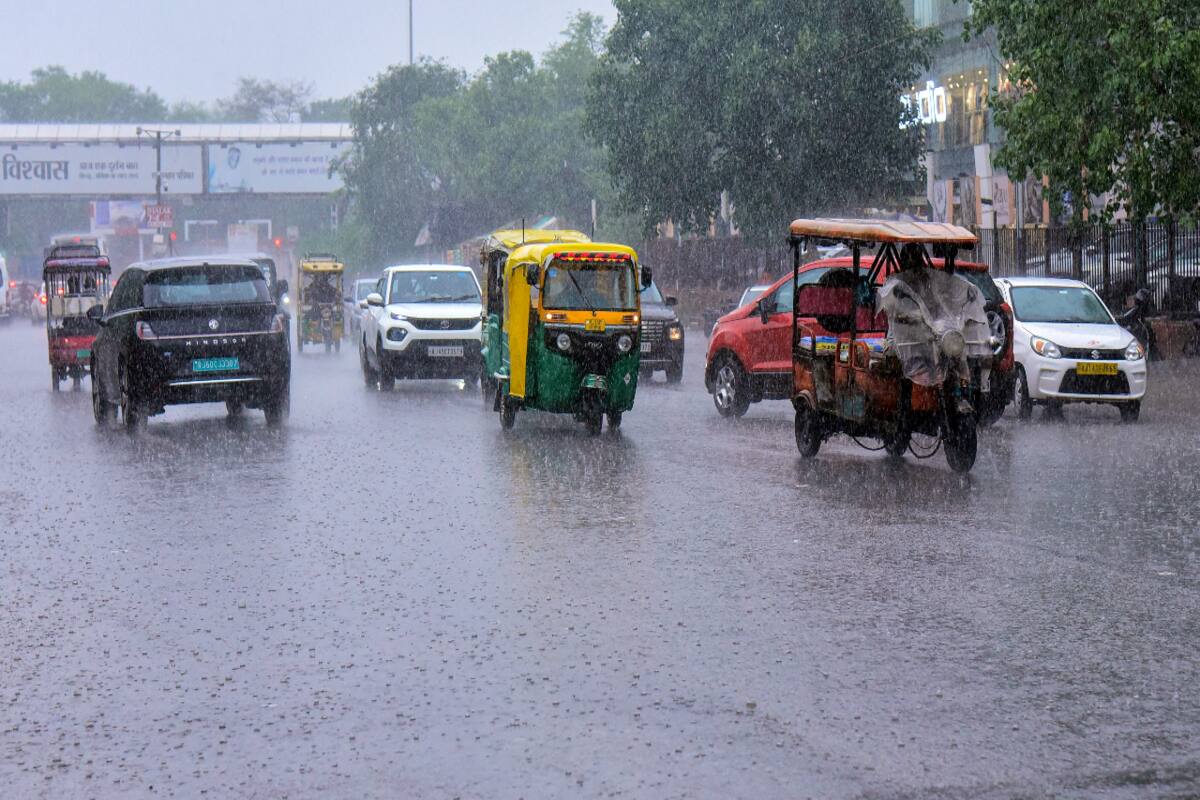
During summer, the combination of warmth and humidity can make walking, exercising, or standing outdoors tiring. The monsoon introduces additional moisture, while cloudy skies may reduce direct sunshine without necessarily making the air feel cool.
Several factors influence personal comfort:
-
Humidity: High moisture levels can make warm weather feel more oppressive.
-
Wind: Sea breezes may provide temporary relief in exposed coastal areas.
-
Sunshine: Direct sunlight can increase heat exposure, particularly around midday.
-
Rainfall: Rain may cool surfaces temporarily but can leave the air damp.
-
Urban surroundings: Traffic, buildings, and limited shade can affect comfort on busy streets.
Wear breathable clothing, drink water regularly, and take breaks in shaded or ventilated places. People who are especially sensitive to heat should avoid strenuous activity during the hottest part of the day.
How Mumbai Weather Affects Daily Travel
Weather can influence nearly every journey across Mumbai, especially during periods of intense rainfall. The city’s crowded roads, extensive suburban railway network, buses, taxis, and metro services help people move around, but disruptions may occur when conditions deteriorate.
During the monsoon, waterlogged roads can slow vehicles and create longer waiting times. Railway services may experience delays when heavy rain affects tracks or surrounding infrastructure. Flooding can also make walking difficult, particularly where pavements are uneven or drainage is poor.
A few practical habits can reduce inconvenience:
-
Check transport updates before starting your journey.
-
Leave earlier when heavy rain is forecast.
-
Keep your phone, documents, and electronics protected from water.
-
Wear comfortable footwear with a reliable grip.
-
Avoid walking or driving through floodwater.
-
Identify an alternative route when possible.
Outside the monsoon, heat and humidity can also affect commuting comfort. Carry drinking water, avoid unnecessary exposure to direct sunlight, and choose shaded routes where available.
Never assume a familiar road is safe during severe rainfall. Floodwater may conceal open drains, damaged surfaces, or other hazards. Follow local warnings and do not attempt to cross moving water.
Weather Tips for Tourists and Residents
Preparing for the local climate does not require complicated arrangements. A few thoughtful choices can make everyday activities more comfortable throughout the year.
During hot months, choose breathable fabrics, carry water, and avoid extended exposure to strong sunshine. Sunscreen, sunglasses, and a hat are useful for walking tours or visits to open waterfront areas.
During the monsoon, keep an umbrella or raincoat available and use a waterproof bag for valuables. Shoes with good traction are helpful on wet pavements. If heavy rainfall is forecast, consider postponing nonessential journeys.
In winter, light layers are generally practical, particularly for early starts and late evenings. Most visitors will not need heavy winter clothing, although individual comfort varies.
Residents can prepare by checking forecasts before school runs, office commutes, shopping trips, and outdoor events. Tourists should also confirm attraction timings and transport arrangements rather than assuming every activity will operate normally during severe weather.
Families traveling with children may benefit from carrying extra clothes and planning indoor alternatives. Older adults and people vulnerable to heat should take particular care during hot, humid periods.
Seasonal Activities and Outdoor Planning
Mumbai offers different experiences throughout the year, and weather conditions can help determine which activities are most suitable.
During the drier winter months, visitors can explore historic sites, take heritage walks, enjoy waterfront views, and discover street-food areas. Early mornings are often useful for avoiding afternoon warmth and crowded attractions.
Summer is better suited to shorter outdoor excursions, indoor museums, shopping, and activities scheduled outside the hottest hours. Coastal locations can be appealing, but visitors should follow beach safety notices and avoid dangerous sea conditions.
The monsoon creates beautiful scenery around the wider Mumbai region. Nearby hills and green landscapes can become especially attractive, but waterfalls, rocky paths, and coastal viewpoints may be dangerous during heavy rain. Choose permitted locations and follow local restrictions.
Before arranging a picnic, photography session, boat trip, or outdoor celebration, review the forecast and establish an alternative plan. Rainfall probability is helpful, but it does not guarantee exactly when or where a shower will occur.
The most effective approach is to match activities to the season while remaining prepared for short-term changes.
Mumbai Weather and Coastal Safety
Mumbai’s coastal location makes sea conditions an important consideration, especially during the monsoon. Strong winds, rough waves, and high tides can create hazardous conditions along beaches, promenades, and rocky shorelines.
Marine Drive and other waterfront locations may remain popular during rainy weather, but attractive views should never take priority over safety. Waves can surge onto exposed areas, and slippery surfaces increase the risk of falls.
Before visiting a beach or planning a boat trip, check relevant weather advisories and local restrictions. Follow instructions from lifeguards and authorities, and avoid entering the sea when conditions are unsafe.
Fisherfolk, boat operators, and people whose work takes them offshore should pay particular attention to marine forecasts and official warnings. Conditions over the sea can change quickly, so general city forecasts may not provide all the information needed for coastal activities.
During severe weather, postpone unnecessary waterfront visits. If authorities close a beach or restrict access to a coastal area, respect those measures.
Conclusion
Mumbai weather changes noticeably throughout the year, even though the city generally maintains a warm coastal climate. Summer brings heat and humidity, the monsoon introduces frequent rainfall and potential transport disruptions, and winter often provides comfortable conditions for sightseeing and outdoor activities.
Understanding these seasonal patterns helps residents organize daily routines and enables visitors to make better decisions about travel dates, clothing, transport, and sightseeing. The monthly overview provides a useful starting point, while current forecasts offer the information needed for specific plans.