


Introduction
Weather plays an important role in almost every part of daily life. From deciding what to wear in the morning to planning a long journey, attending an outdoor event, or managing agricultural activities, understanding changing weather conditions helps people make better decisions. With digital technology becoming increasingly important, checking weather information has become easier than ever. Online forecasting platforms allow users to access temperature updates, rainfall predictions, wind conditions, and severe weather information within seconds. Among the well-known platforms in this category, weather com has become a familiar destination for people looking for weather forecasts and useful environmental updates.
Weather information is no longer limited to knowing whether a particular day will be sunny or rainy. People increasingly want detailed forecasts that explain how conditions may change throughout the day. They also need information about humidity, air quality, storm activity, precipitation, and temperature variations. Modern weather platforms bring these details together in an accessible format, helping users understand their local environment and prepare for different situations. By combining forecasting technology, interactive maps, and weather-related news, digital services have transformed how people stay informed about atmospheric conditions.
Understanding Weather Com and Its Main Purpose
Weather com is the consumer weather website associated with The Weather Channel brand and operated by The Weather Company, LLC. It provides weather-related information for locations around the world, including current conditions, hourly forecasts, extended predictions, radar maps, and severe weather updates. The platform is designed to make complex meteorological information easier for ordinary users to understand.
One of its main purposes is to provide useful information that supports everyday planning. For example, someone preparing for work can check the morning temperature before leaving home, while a family planning a weekend outing can review the forecast several days in advance. Similarly, travellers can monitor rainfall possibilities and changing temperatures before beginning a journey. Having different types of weather information available in one place makes the platform useful for people with different needs.
The service also provides weather-related articles, videos, and educational explanations. These resources help users understand why particular weather events occur and how they may affect communities. Instead of presenting only numerical information, the platform combines forecasts with explanations that provide additional context.
Key Features That Make Weather Com Useful
Current Weather Conditions
Current weather conditions are among the most frequently used features of online forecasting services. They provide an overview of the atmosphere at a particular location and help users understand what is happening outside at that moment. Temperature is an important part of this information, but it is not the only factor that determines how comfortable the weather feels.
Weather com presents several useful measurements, including the feels-like temperature, humidity, wind speed, visibility, atmospheric pressure, and ultraviolet index. These details can help users make more informed decisions. For instance, a temperature of 32 degrees Celsius may feel considerably hotter when humidity is high. Similarly, strong winds can make an otherwise comfortable day feel colder.
Understanding these measurements is particularly useful for people who spend significant time outdoors. Construction workers, delivery professionals, athletes, and travellers can use current conditions to prepare for the environment they will encounter.
Hourly Weather Forecasts
Daily forecasts provide a general overview, but hourly predictions offer more detailed information about changing conditions. Weather can change considerably between morning and evening, making hourly updates valuable for people with busy schedules.
For example, a person planning to travel in the afternoon may want to know whether rain is expected during the journey. Someone organising an outdoor celebration may prefer to choose a time when the probability of precipitation is lower. Hourly forecasts help users examine temperature changes, rainfall possibilities, wind conditions, and other atmospheric measurements throughout the day.
The platform offers hourly forecast information that makes it easier to compare different periods. Users can identify potentially uncomfortable conditions and adjust their plans accordingly.
Extended Weather Forecasts
Planning several days ahead requires a broader understanding of expected weather patterns. Extended forecasts help users prepare for upcoming activities, holidays, business operations, and personal commitments.
Weather com provides a 10-day daily forecast in its standard free experience. This gives users an opportunity to review expected temperature ranges and possible changes in weather conditions over the coming days.
However, longer-range forecasts should be interpreted carefully. Atmospheric conditions are constantly changing, and uncertainty generally increases as the forecast period becomes longer. A prediction for tomorrow may be more dependable than an estimate for the tenth day. Therefore, users should check forecasts regularly instead of treating an extended prediction as a guaranteed outcome.
Different Types of Weather Information Available
Modern forecasting platforms collect and present several categories of environmental information. Each category serves a different purpose and can help users understand weather conditions more completely.
| Weather information | What it explains | Practical benefit |
|---|---|---|
| Temperature | Expected warmth or cold | Helps with clothing choices |
| Humidity | Amount of moisture in the air | Helps understand comfort levels |
| Wind speed | Strength of moving air | Supports outdoor planning |
| Precipitation | Possibility and amount of rain or snow | Helps prepare for wet conditions |
| UV index | Strength of ultraviolet radiation | Supports sun protection |
| Air quality | Pollution and atmospheric conditions | Helps people plan outdoor activities |
| Visibility | How clearly distant objects can be seen | Useful for travel preparation |
These measurements become more meaningful when considered together. For example, high temperatures combined with strong humidity may increase heat discomfort. Heavy rainfall combined with poor visibility can create challenging driving conditions. Understanding the relationship between different weather measurements gives users a more complete picture of their surroundings.
How Weather Radar Maps Help Users
Understanding Interactive Radar
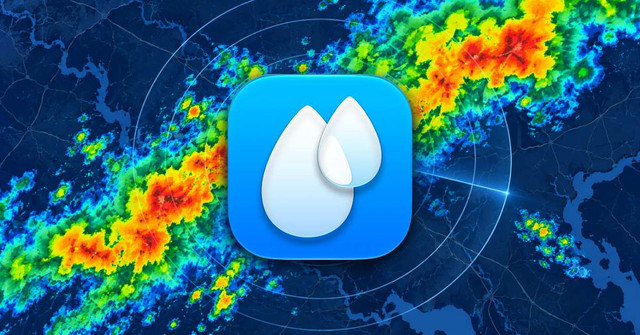
Radar maps are valuable tools for understanding precipitation and monitoring changing weather systems. Unlike a simple daily forecast, radar provides a visual representation of weather activity across a geographical area. Users can observe where rain is occurring, identify approaching precipitation, and follow the movement of weather systems.
The radar experience available through weather com helps users explore weather activity using interactive maps. Different colours generally represent varying levels of precipitation intensity, allowing users to distinguish lighter rainfall from heavier precipitation.
For example, someone living in a city may notice a large area of rainfall approaching from a nearby region. By observing its movement, they can prepare for possible rain during the next part of the day. Radar information is especially useful when weather conditions change quickly.
Future Radar and Storm Tracking
Future radar provides an estimated visual representation of how precipitation may develop over a particular period. It can help users understand whether rain or storm activity may move towards their location.
Storm tracking is particularly important during periods of unstable atmospheric conditions. Thunderstorms, tropical systems, and intense rainfall can develop and change direction, sometimes creating unexpected challenges for communities.
Users should remember that future radar represents an estimate rather than a guarantee. Actual storm movement can differ from earlier predictions. For dangerous weather, official warnings from relevant government meteorological authorities should always receive priority.
Weather Alerts and Severe Weather Information
Severe weather can create risks for homes, transportation networks, businesses, and public infrastructure. Early information helps people prepare before conditions become dangerous. This is why weather alerts are an important part of modern forecasting services.
Weather com displays severe weather information, including official watches and warnings where available. These notifications can cover different weather hazards, such as thunderstorms, flooding, tropical storms, winter storms, and other dangerous conditions.
The purpose of an alert is not simply to inform users that unusual weather is approaching. It also helps them understand the potential seriousness of a situation. For example, a thunderstorm watch generally indicates favourable conditions for thunderstorms, whereas a warning indicates that a more immediate weather threat has been identified.
People should pay attention to the geographical area, effective time, and instructions included in official warnings. During dangerous conditions, they should follow local emergency authorities and government meteorological agencies rather than depending exclusively on a commercial forecasting platform.
How Weather Com Supports Everyday Planning
Weather information has practical value because it influences many ordinary decisions. Checking forecasts before beginning daily activities can help people save time, avoid inconvenience, and prepare for unexpected conditions.
Planning Daily Activities
For everyday users, weather forecasts can help determine the most suitable time for outdoor activities. Someone who enjoys walking, cycling, or exercising outside can check temperature and precipitation information before leaving home. Families can also use forecasts when organising picnics, shopping trips, or weekend activities.
Weather com makes this information accessible through different forecast categories. Instead of relying on a general impression of the weather, users can review specific measurements and make decisions based on their requirements.
Travel and Transportation
Weather conditions can affect road journeys, flights, and public transportation. Heavy rain may reduce visibility, while strong winds can create difficulties for certain vehicles and transport operations. Snow and ice can also affect roads in colder regions.
Travellers can use weather forecasts to understand expected conditions at their destination and along their planned route. Checking multiple locations is particularly useful during long-distance journeys because weather conditions may differ significantly between regions.
For example, a person travelling between two cities may experience clear conditions at the starting point but encounter heavy rain later in the journey. Reviewing location-based forecasts helps travellers prepare for such possibilities.
Agriculture and Outdoor Work
Agriculture is closely connected with weather patterns. Rainfall, temperature, humidity, and wind conditions can influence crop development, irrigation requirements, and harvesting schedules. Farmers therefore benefit from regularly checking reliable meteorological information.
Outdoor workers also need to understand environmental conditions before beginning physically demanding tasks. Extreme heat, heavy rain, and strong winds can affect productivity and safety. Weather updates provide useful planning information, although agricultural decisions should also consider local observations and specialised advisories.
The Role of Technology in Modern Weather Forecasting
Weather forecasting has developed significantly because of improvements in computing, satellite observations, radar technology, and artificial intelligence. Earlier forecasting methods relied more heavily on limited observations and manual calculations. Modern systems can process enormous amounts of atmospheric information to create detailed predictions.
The Weather Company uses its Global High-Resolution Atmospheric Forecasting system, commonly known as GRAF, as part of its forecasting technology. Its forecasting process combines observations, weather models, and machine learning techniques to improve predictions for different locations and weather conditions.
Satellite observations provide information about cloud formations, atmospheric moisture, and large weather systems. Radar systems help monitor precipitation, while ground-based weather stations measure temperature, pressure, humidity, and wind. Aircraft observations and other meteorological data sources can provide additional information about atmospheric conditions.
Artificial intelligence can help identify patterns within these large datasets. It can support the comparison of different forecasting models and improve how information is processed. Human meteorologists also remain important, particularly when severe weather requires detailed analysis and communication.
This combination of scientific research and modern technology allows forecasting platforms to deliver increasingly detailed weather information.
Weather Com and The Weather Channel Mobile App
Accessing weather information through mobile devices has become an important part of modern digital life. Many people prefer checking their forecasts on smartphones because they can receive updates while travelling or working.
The Weather Channel mobile app provides access to forecasts and weather-related features similar to those available through the website. Depending on the device and subscription, users can explore current conditions, hourly updates, radar maps, weather alerts, and personalised notifications.
One useful feature is the ability to save preferred locations. This can help people monitor weather conditions in their hometown, workplace, holiday destination, or another important location without repeatedly searching for it.
Mobile widgets provide another convenient way to view weather information. They can display basic conditions directly on a device’s home screen, reducing the need to open the application every time.
The app also supports notifications for important weather developments. However, users should review their device permissions and notification settings to ensure that relevant alerts are enabled.
Free and Premium Weather Services
Many people want reliable weather information without paying for an additional subscription. Fortunately, the standard weather.com experience is available without a paid membership and is supported by advertising.
The free experience includes several useful features, such as current conditions, hourly forecasts, 10-day daily forecasts, radar information, and severe weather alerts. These options are sufficient for many people who mainly want to check everyday weather conditions.
Optional paid subscriptions are also available in supported markets. Depending on the plan and platform, premium features may include an advertising-free experience, longer hourly forecasts, additional radar capabilities, and more detailed short-term weather information.
Before choosing a subscription, users should consider how frequently they use advanced forecasting tools. Someone who checks the weather occasionally may find the free experience sufficient, while frequent travellers or weather enthusiasts may appreciate additional features.
Subscription prices and available features can differ according to country, platform, and current product offerings. Users should review the latest information displayed by the service before making a payment.
Weather Com for International Users
Weather conditions differ considerably between geographical regions. A platform serving international audiences must account for different climates, geographical features, seasonal patterns, and local weather requirements.
For example, people in India may regularly monitor monsoon rainfall, heat waves, humidity, and thunderstorms. Users in colder countries may be more interested in snowfall, freezing temperatures, and winter storms. Coastal communities often pay closer attention to tropical systems, strong winds, and heavy rainfall.
Weather com supports location-based weather searches for users in different parts of the world. This makes it possible to check conditions for cities and destinations beyond one’s immediate surroundings.
However, international users should understand that weather warnings and official forecasts are issued by the relevant national or regional meteorological authorities. In India, for example, the India Meteorological Department is an important official source for weather warnings and public meteorological information.
Using a consumer forecasting platform alongside national weather services can provide a broader understanding of changing conditions.
Important Tips for Getting Better Results From Weather Forecasts
Weather forecasts become more useful when users understand how to interpret the information and check it at appropriate intervals. Rather than relying on a single forecast, it is better to compare different weather measurements and monitor important updates.
Here are some practical habits that can improve everyday weather planning:
-
Check the hourly forecast before outdoor activities or important journeys.
-
Review radar maps when rainfall or thunderstorms are expected.
-
Pay attention to official weather alerts during dangerous conditions.
-
Recheck extended forecasts because predictions can change over time.
-
Compare temperature, humidity, wind, and rainfall instead of focusing on temperature alone.
Another important habit is selecting the correct location. Forecasts for two nearby areas may differ because of elevation, local geography, and atmospheric conditions. Choosing the correct city or neighbourhood can make weather information more relevant.
Users should also remember that no forecasting system can predict every atmospheric development perfectly. Unexpected weather changes can occur, particularly during thunderstorms and other rapidly developing events. Remaining flexible and checking updated information are sensible ways to prepare.
Limitations of Digital Weather Forecasting Platforms
Although modern forecasting technology has improved considerably, digital weather platforms still have limitations. Weather is a complex natural system involving interactions between temperature, pressure, moisture, wind, and geographical conditions. Small changes in these factors can influence how atmospheric systems develop.
Forecast accuracy can vary depending on location, weather conditions, and the period being predicted. Areas with limited observation stations may have less detailed local information than regions with extensive monitoring networks. Mountainous terrain and coastal environments can also create complicated weather patterns.
Another limitation is that different forecasting providers may present slightly different predictions for the same location. This does not automatically mean that one service is incorrect. Different models may use different calculations, observations, and approaches to estimating future conditions.
Users should therefore treat forecasts as informed predictions rather than guaranteed outcomes. For important decisions involving safety, transportation, or emergency preparation, official government advisories should be considered alongside commercial weather information.
The Future of Online Weather Forecasting
The future of digital weather forecasting is likely to involve greater use of artificial intelligence, high-resolution modelling, satellite technology, and real-time observations. These developments may help forecasting systems identify local weather patterns more effectively and communicate important changes more quickly.
Artificial intelligence is expected to support more detailed analysis of atmospheric datasets. Improved computing resources may also make it possible to generate more frequent forecast updates and better understand rapidly changing weather systems.
Personalisation is another important area of development. Users may increasingly receive weather information based on their activities, preferred locations, and environmental concerns. For example, outdoor workers may benefit from heat-related updates, while travellers may prefer rainfall and wind information for multiple destinations.
Weather com is part of this changing digital environment, combining traditional forecasting information with interactive maps, mobile notifications, and other modern features. As technology develops, weather services will continue working towards making forecasts more accessible, understandable, and useful for everyday decisions.
Conclusion
Weather forecasting has become an essential part of modern life, helping individuals and organisations prepare for changing environmental conditions. From checking daily temperatures to understanding rainfall possibilities, monitoring storms, and planning long-distance journeys, access to useful weather information can make everyday decisions easier.
Weather com offers a broad collection of forecasting tools, including current conditions, hourly updates, extended forecasts, interactive radar, and severe weather information. Its website and mobile application make these features accessible to people who want to stay informed about local and international weather conditions.
However, the best way to use any digital forecasting platform is to understand its information carefully. Forecasts can change, extended predictions involve uncertainty, and serious weather situations require attention to official government warnings. By combining modern weather technology with sensible preparation, users can make better decisions and respond more confidently to changing conditions. As forecasting systems continue to improve, digital weather platforms will remain valuable resources for everyday planning and environmental awareness.