



Introduction
Checking the forecast before leaving home has become a routine for millions of people. Whether you’re planning a road trip, preparing for an outdoor event, commuting to work, or simply deciding what to wear, knowing the expected weather can make your day easier and safer. A city-based forecast provides localized information that helps people prepare for changing conditions instead of relying on broad regional predictions.
Modern forecasting combines scientific observations, atmospheric models, and historical climate patterns to estimate future conditions with impressive accuracy. While forecasts cannot predict every small atmospheric change perfectly, they offer valuable guidance that helps individuals, businesses, farmers, travelers, and event organizers make informed decisions.
This guide explains how city forecasts work, why they matter, what information they include, and how to interpret them effectively for everyday planning.
Why City-Based Weather Forecasts Matter
Weather conditions often change significantly from one location to another, even within the same region. A coastal city may experience cooler temperatures and stronger winds, while an inland city just a short distance away may remain warmer and drier. Because of these local differences, forecasts designed for individual cities provide more useful information than broad regional predictions.
Accurate local forecasting benefits many aspects of daily life. Families can plan weekend outings, travelers can pack appropriate clothing, construction teams can organize work schedules, and businesses can prepare for disruptions caused by heavy rain, strong winds, or extreme temperatures.
Reliable forecasts also support public safety. Advance notice of thunderstorms, heat waves, snowfall, or dense fog allows people to adjust travel plans, protect property, and reduce unnecessary risks before severe conditions arrive.
Understanding How Weather Forecasts Are Created
Forecasting is based on continuous observation of the atmosphere. Meteorologists collect information from satellites, weather stations, balloons, ocean buoys, aircraft, and radar systems. These observations are combined with advanced computer models that simulate how atmospheric conditions may change over the coming hours and days.
Several important factors influence a forecast, including:
- Air temperature
- Atmospheric pressure
- Humidity levels
- Wind speed and direction
- Cloud development
- Rainfall probability
- Storm movement
By analyzing these variables together, forecasting systems estimate expected conditions for specific cities. Although forecasts become less certain further into the future, short-term predictions are generally more dependable because they rely on current atmospheric observations.

Key Elements Found in a City Forecast
A complete forecast includes much more than the expected high and low temperatures. Understanding each component helps you make better decisions throughout the day.
| Forecast Element | What It Indicates |
|---|---|
| Temperature | Expected daytime and nighttime conditions |
| Rain Probability | Likelihood of precipitation |
| Wind Speed | Strength of surface winds |
| Humidity | Moisture present in the air |
| UV Index | Intensity of ultraviolet radiation |
| Visibility | Distance that can be seen clearly |
| Sunrise & Sunset | Daily daylight schedule |
Reading these details together provides a clearer picture than focusing on temperature alone.
How Different People Benefit from Forecast Information
People use forecasts for many different reasons depending on their daily activities and responsibilities.
Common users include:
- Daily commuters
- Travelers
- Farmers
- Pilots
- Event organizers
- Outdoor workers
- Students
- Sports enthusiasts
- Emergency planners
- Business owners
Each group depends on accurate weather information to improve planning, reduce uncertainty, and make safer decisions.
Short-Term vs. Long-Term Forecasts
Not all forecasts serve the same purpose. Some focus on immediate conditions, while others provide a broader outlook for upcoming days.
Short-term forecasts usually cover the next several hours or the following day. These predictions help people decide whether to carry an umbrella, adjust travel times, or prepare for changing temperatures.
Longer forecasts extend over several days and are useful for vacation planning, business scheduling, agricultural decisions, and outdoor events. Although longer forecasts offer valuable guidance, atmospheric conditions can change over time, so updates should always be reviewed before important activities.
How Forecast Accuracy Has Improved
Advances in technology have transformed forecasting during the past few decades. Improved satellites, more sophisticated computer models, faster data processing, and expanded observation networks allow meteorologists to analyze atmospheric changes more quickly than ever before.
Forecast accuracy has also improved because millions of observations are collected continuously from around the world. These observations help forecasting systems identify developing weather patterns earlier and update predictions more frequently as new information becomes available.
As forecasting technology continues to advance, city-level predictions are becoming increasingly detailed, helping individuals and organizations make better-informed decisions every day.
Practical Ways to Use a City Weather Forecast
A local forecast becomes most valuable when it influences everyday decisions before conditions change. For example, a commuter who notices heavy rain predicted during the evening can leave work earlier or choose public transportation instead of driving. Likewise, someone planning a picnic can shift the event to a sunny day after reviewing the forecast.
Businesses also benefit from reliable forecasts. Delivery services can prepare for traffic delays during storms, while construction companies may adjust work schedules to avoid unsafe conditions. Schools, sports clubs, and community organizations frequently monitor changing conditions before confirming outdoor activities.
Even simple household tasks become easier with accurate information. Washing clothes outdoors, watering gardens, scheduling home repairs, or planning family outings often depends on expected temperature, wind, and rainfall. By checking the weather before making plans, people reduce inconvenience and make better use of their time.

Seasonal Weather Patterns Across Cities
Every city experiences seasonal changes differently. Geography, elevation, nearby water bodies, and regional climate all influence local conditions throughout the year.
During spring, temperatures usually become milder, although sudden showers and changing winds remain common. Summer often brings warmer conditions, stronger sunshine, and, in some regions, afternoon thunderstorms. Autumn typically introduces cooler temperatures and more stable conditions, making it a popular season for outdoor activities. Winter can range from mild temperatures in some cities to snow, ice, or freezing conditions in others.
Understanding seasonal trends helps residents prepare in advance. Homeowners may schedule maintenance before winter arrives, travelers can pack suitable clothing, and businesses can anticipate seasonal demand for products or services.
Common Forecast Terms Explained
Forecasts often include technical words that may confuse readers. Understanding these terms makes it easier to interpret daily updates accurately.
| Forecast Term | Meaning |
|---|---|
| Chance of Rain | Probability that measurable rainfall may occur |
| Humidity | Amount of moisture present in the air |
| Dew Point | Temperature where moisture begins forming droplets |
| Heat Index | How hot it feels when humidity is included |
| Wind Chill | How cold it feels when wind lowers perceived temperature |
| Cloud Cover | Percentage of the sky covered by clouds |
| Visibility | Maximum distance objects can be clearly seen |
Learning these terms allows readers to understand conditions more completely instead of relying only on the forecasted temperature.
Helpful Tips for Planning Around the Forecast
Making weather part of your daily routine can improve comfort, safety, and productivity. Small adjustments often prevent unnecessary inconvenience.
Consider these practical tips:
- Check the forecast before leaving home.
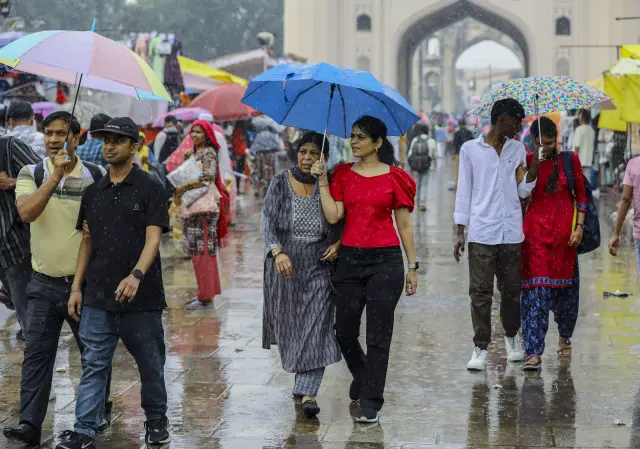
- Carry rain protection when showers are expected.
- Wear clothing suitable for changing temperatures.
- Allow extra travel time during severe conditions.
- Stay hydrated during hot weather.
- Protect outdoor equipment before storms arrive.
- Monitor updated forecasts when planning long trips.
- Pay attention to temperature changes between day and night.
These habits require only a few minutes but can make everyday activities more comfortable and efficient.
Why Forecasts Sometimes Change
Many people notice that a forecast can change from one day to the next. This happens because the atmosphere is constantly evolving. As new observations become available from satellites, radar systems, weather stations, and other instruments, forecasting models update their predictions.
A storm may change direction, winds may strengthen unexpectedly, or temperatures may shift because of changing cloud cover. Rather than indicating poor forecasting, these updates reflect the latest available information and provide more accurate guidance as conditions develop.
For this reason, checking the latest forecast before important travel or outdoor events is always a sensible habit.
Weather Awareness Improves Safety
Accurate forecasts are not only useful for convenience—they also play an important role in public safety. Early awareness allows individuals, families, and businesses to prepare for potentially hazardous conditions before they occur.
Preparation may include:
- Delaying unnecessary travel
- Securing outdoor furniture
- Charging electronic devices before storms
- Preparing emergency supplies
- Protecting vehicles from hail or flooding
- Rescheduling outdoor events
These simple precautions reduce risk and help people respond calmly when conditions become unfavorable.
The Future of City Forecasting
Forecasting continues to improve through better observation technology and more advanced atmospheric modeling. Modern systems analyze enormous amounts of environmental data within seconds, allowing predictions to become increasingly localized and timely.
Future developments are expected to provide even greater neighborhood-level precision, faster updates, and more personalized forecasting information. This progress will continue helping individuals, businesses, emergency services, and local communities make smarter decisions based on changing atmospheric conditions.
Although no forecast can guarantee perfect accuracy, today’s forecasting tools provide dependable guidance that supports better planning and greater confidence in daily life.
Conclusion
A city-based forecast is much more than a simple prediction of sunshine or rain. It is an everyday planning resource that helps people organize travel, work, education, recreation, and countless routine activities with greater confidence. By understanding forecast elements such as temperature, rainfall probability, wind, humidity, and visibility, individuals can make informed decisions instead of reacting to unexpected conditions.
Checking the weather regularly also improves safety by providing advance notice of potentially hazardous situations and allowing time to prepare appropriately. Whether you are commuting to work, organizing an outdoor event, planning a family vacation, or simply deciding what to wear, accurate local forecasting offers practical value every day.
As forecasting science continues to evolve, city-level predictions will become even more precise and accessible. Making forecast information part of your daily routine is a simple habit that saves time, supports better decisions, and helps you stay prepared for whatever conditions the day may bring.