


Introduction
Weather affects nearly every aspect of our daily lives, often without us realizing its full importance. From deciding what clothes to wear in the morning to planning vacations, agricultural activities, outdoor events, and transportation schedules, weather influences countless decisions every single day. Whether the day is sunny, rainy, cloudy, windy, or snowy, changing atmospheric conditions shape how people work, travel, study, and enjoy their leisure time.
In today’s world, accurate weather information has become easier to access than ever before. Smartphones, television broadcasts, websites, and dedicated forecasting services provide real-time updates that help people prepare for changing conditions. Modern forecasting technologies allow meteorologists to predict storms, rainfall, heatwaves, and cold fronts with impressive accuracy, helping communities reduce risks and improve safety.
Beyond convenience, weather plays a vital role in agriculture, healthcare, transportation, business, tourism, and disaster management. Understanding how weather works enables people to make informed decisions while protecting themselves and their families from unexpected environmental changes. This guide explores the meaning of weather, its different types, practical importance, and why staying informed about weather has become an essential part of modern life.
What Is Weather?
Weather refers to the day-to-day condition of the atmosphere at a particular place and time. It describes short-term atmospheric changes such as temperature, humidity, rainfall, sunshine, cloud cover, wind speed, and air pressure. Unlike climate, which represents long-term weather patterns over decades, weather changes frequently and sometimes several times within a single day.
These atmospheric conditions result from the interaction of sunlight, oceans, land surfaces, air pressure systems, and moisture in the atmosphere. As warm and cold air masses move across different regions, they create varying weather conditions that influence local environments.
Modern meteorology uses satellites, weather stations, radar systems, balloons, aircraft observations, and computer models to monitor atmospheric conditions continuously. These technologies collect millions of data points every day, enabling experts to generate increasingly accurate forecasts.
Understanding weather helps people prepare for daily activities while reducing risks associated with storms, heavy rainfall, heatwaves, snowfall, or strong winds. Although weather constantly changes, scientific advancements continue improving forecasting accuracy, allowing individuals, businesses, and governments to respond more effectively to environmental conditions.
Why Weather Matters in Everyday Life
Many people check the weather every morning before leaving home, and for good reason. Daily weather conditions influence clothing choices, transportation decisions, outdoor work, sporting events, and travel plans. A simple forecast helps people prepare for rain by carrying umbrellas or avoid excessive heat by staying hydrated.
Schools and workplaces also depend on weather information. Severe storms, floods, or heavy snowfall may cause delays or closures to protect students and employees. Construction companies often schedule projects according to expected weather conditions because rainfall or high winds can affect safety and productivity.
Businesses such as restaurants, amusement parks, airlines, and tourism companies also rely heavily on accurate forecasts. Good weather generally encourages outdoor activities and travel, while extreme conditions may reduce customer activity.
For families, knowing upcoming weather provides peace of mind when planning holidays, weddings, festivals, or weekend outings. Instead of facing unexpected disruptions, people can organize their schedules more efficiently. By providing timely information about changing atmospheric conditions, weather forecasts help millions of people make safer and more practical decisions every day.
Different Types of Weather Conditions
Weather appears in many different forms depending on atmospheric conditions and geographical location. Sunny weather is generally associated with clear skies, comfortable temperatures, and abundant sunshine, making it ideal for outdoor activities. Cloudy weather occurs when clouds cover much of the sky, often reducing sunlight and sometimes indicating approaching rainfall.
Rainy weather provides essential water for agriculture, rivers, reservoirs, and ecosystems. While moderate rainfall supports life, excessive rain may lead to flooding and transportation disruptions. Windy weather results from differences in atmospheric pressure and can range from gentle breezes to powerful storms capable of causing significant damage.
Cold weather often brings frost, snowfall, and freezing temperatures in many regions, while hot weather is characterized by intense sunshine and high temperatures that may create heat-related health concerns. Thunderstorms combine rain, lightning, thunder, and strong winds, occasionally producing hail or tornadoes in certain areas.
Each weather condition affects daily activities differently. Understanding these variations helps people prepare appropriately, whether by adjusting travel plans, protecting crops, or ensuring personal safety during changing environmental conditions.
How Weather Forecasting Works
Weather forecasting combines science, technology, and continuous observation to predict future atmospheric conditions. Meteorologists collect enormous amounts of information from satellites, radar systems, ocean buoys, weather balloons, aircraft, and thousands of ground observation stations located around the world.
These observations measure temperature, humidity, air pressure, wind speed, wind direction, cloud formation, and precipitation. Advanced computer models analyze this information using complex mathematical calculations to estimate how atmospheric conditions will change over the coming hours and days.
Forecast accuracy has improved significantly over recent decades because computing technology has become more powerful and observation networks more comprehensive. While short-term forecasts are generally very reliable, predicting weather several days or weeks into the future becomes increasingly challenging because atmospheric conditions constantly evolve.
Forecasts are updated regularly as new observations become available. This continuous monitoring allows meteorologists to issue warnings for severe storms, hurricanes, floods, and heatwaves, helping communities prepare before dangerous weather arrives. Reliable forecasting has therefore become one of the most valuable scientific services supporting public safety and economic activity.
Weather and Agriculture
Agriculture depends more heavily on weather than almost any other industry. Farmers closely monitor forecasts before planting crops, irrigating fields, applying fertilizers, or harvesting produce. Even small changes in rainfall or temperature can influence crop quality and overall agricultural productivity.
Rainfall provides essential water for plant growth, while sunshine supports photosynthesis and healthy crop development. However, excessive rainfall may damage crops through flooding or disease, whereas prolonged drought reduces soil moisture and limits plant growth. Farmers therefore rely on accurate weather forecasts to manage irrigation systems and protect crops from adverse conditions.
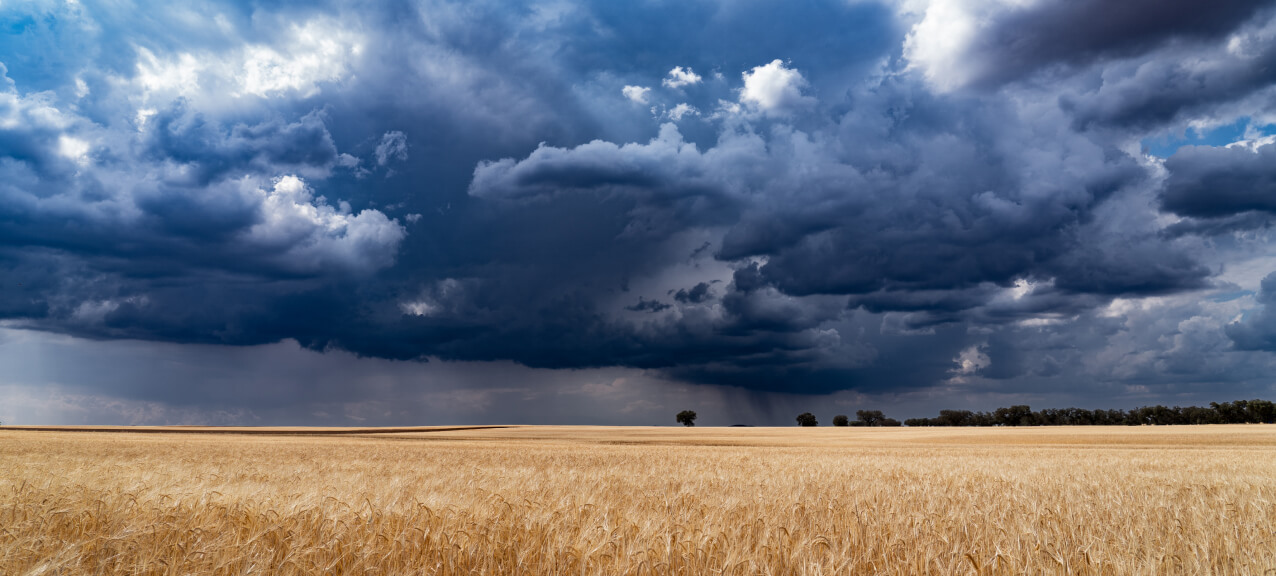

Livestock farming is equally affected by changing weather. Extremely hot temperatures can stress animals, while severe cold increases their energy requirements. Farmers often adjust feeding schedules, shelter arrangements, and grazing patterns according to forecast conditions.
As climate patterns become increasingly variable, accurate weather information has become even more valuable for agriculture. Modern forecasting technologies help farmers reduce risks, improve productivity, conserve resources, and make informed decisions throughout the growing season.
Weather and Human Health
The relationship between weather and human health is much stronger than many people realize. Changes in temperature, humidity, and air quality can directly affect physical well-being and overall comfort. During the summer months, extremely high temperatures increase the risk of dehydration, heat exhaustion, and heatstroke, especially among children, older adults, and individuals who work outdoors. Drinking enough water, wearing lightweight clothing, and avoiding prolonged exposure to direct sunlight are simple precautions that help reduce these risks.
Cold weather brings its own challenges. Low temperatures can increase the likelihood of colds, flu, respiratory infections, and conditions such as hypothermia when people remain exposed for extended periods. Individuals with asthma or heart disease often experience worsening symptoms during sudden temperature changes. Rainy seasons may also contribute to the spread of mosquito-borne diseases in certain regions if standing water becomes a breeding ground for insects.
Air quality is another important factor connected to weather. Wind patterns can spread dust, pollen, and pollution, affecting people with allergies or breathing disorders. By staying informed through daily weather forecasts, individuals can plan outdoor activities wisely, protect vulnerable family members, and take preventive measures that support healthier living throughout the year.
Weather and Transportation
Transportation systems around the world depend heavily on accurate weather information. Whether traveling by road, rail, sea, or air, changing weather conditions influence safety, scheduling, and operational efficiency. Drivers often encounter reduced visibility during heavy rain, fog, or snow, making accidents more likely if proper precautions are not taken. Strong winds may also affect large vehicles and motorcycles, requiring additional care while driving.Airlines monitor weather continuously before every flight. Thunderstorms, heavy snowfall, dense fog, and strong crosswinds can delay departures, change flight routes, or even result in temporary airport closures. Pilots and air traffic controllers rely on accurate forecasts to ensure passenger safety throughout the journey.
Shipping companies face similar challenges. Rough seas caused by storms or powerful winds can delay cargo transportation and increase operational risks. Railway systems may also experience disruptions due to flooding, landslides, or excessive heat affecting railway tracks.Modern forecasting technology helps transportation authorities prepare in advance, minimizing delays and improving passenger safety. Reliable weather predictions allow travelers to adjust plans, choose safer travel times, and reduce the inconvenience caused by unexpected atmospheric conditions.
The Role of Weather in Business and the Economy
Businesses across many industries make important decisions based on weather conditions. Retail stores often adjust inventory according to seasonal demand, selling umbrellas during rainy periods, warm clothing during winter, and cooling products during summer. Restaurants with outdoor seating also benefit from pleasant weather, while poor conditions may reduce customer visits.
Tourism is one of the industries most influenced by weather. Beaches, mountain destinations, amusement parks, and outdoor attractions depend on favorable conditions to attract visitors. Travel companies frequently monitor forecasts to help tourists plan enjoyable vacations while avoiding severe weather events.
Construction companies also rely heavily on weather forecasts because heavy rainfall, high winds, or extreme temperatures may delay projects or create unsafe working environments. Accurate forecasting allows project managers to organize schedules more efficiently and reduce unnecessary costs.
Energy companies use weather predictions to estimate electricity demand. Hot weather increases air conditioner usage, while cold weather raises heating requirements. By anticipating these changes, energy providers can prepare adequate supplies and maintain stable services. These examples demonstrate how weather affects economic activity far beyond individual daily routines.
Weather and Environmental Balance
Weather plays an essential role in maintaining Earth’s natural balance. Rainfall replenishes rivers, lakes, reservoirs, and underground water supplies that support both human populations and ecosystems. Plants rely on sunlight, rainfall, and suitable temperatures to grow, while animals adapt their behaviors according to changing seasonal conditions.
Forests, wetlands, and grasslands depend on regular weather patterns to maintain biodiversity. When weather conditions remain balanced, ecosystems function efficiently, supporting countless plant and animal species. However, prolonged droughts, excessive rainfall, or unusually high temperatures can disturb this balance, affecting wildlife habitats and agricultural productivity.
Seasonal weather changes also influence migration patterns among birds and other animals. Many species travel thousands of kilometers each year in response to temperature changes and food availability. Farmers, environmental scientists, and conservation organizations study weather carefully to better understand these natural processes.
Maintaining awareness of weather patterns encourages responsible environmental management. Conserving water during dry periods, preparing for seasonal changes, and protecting natural resources become easier when people understand the important connection between weather and the environment.
Preparing for Extreme Weather
Although most days bring ordinary weather conditions, extreme events occasionally occur and require careful preparation. Heatwaves, floods, cyclones, hurricanes, thunderstorms, heavy snowfall, and severe storms can disrupt communities and threaten public safety. Being prepared before these events occur greatly reduces their impact.
Families should monitor official forecasts regularly and pay attention to emergency warnings issued by local authorities. Keeping emergency supplies such as drinking water, flashlights, batteries, first-aid kits, and essential medicines readily available helps people respond more effectively during unexpected situations.
Homeowners can also take preventive measures by securing loose outdoor objects, cleaning drainage systems before heavy rainfall, and protecting important documents in waterproof containers. Travelers should check weather forecasts before beginning long journeys, particularly during seasons known for severe conditions.
Communities that receive accurate weather warnings often recover more quickly because residents have time to prepare. Schools, hospitals, emergency responders, and government agencies all depend on timely weather information when coordinating disaster response plans. Preparedness combined with reliable forecasting helps save lives and reduce economic losses during extreme weather events.
The Future of Weather Forecasting
The science of weather forecasting continues to improve through advances in technology and scientific research. Modern satellites provide clearer images of cloud movements, radar systems monitor storms in real time, and powerful computers analyze enormous amounts of atmospheric data faster than ever before. These improvements have significantly increased the accuracy of short-term forecasts.
Artificial intelligence, machine learning, and advanced computer modeling are expected to make future weather predictions even more reliable. Scientists are developing systems capable of identifying subtle atmospheric changes that may improve early warning capabilities for floods, storms, and heatwaves.
Mobile applications have also transformed the way people access weather information. Instead of waiting for television broadcasts, users now receive instant notifications about severe weather directly on their smartphones. Future forecasting systems may provide increasingly personalized information based on individual locations and daily activities.
As technology continues evolving, weather services will become faster, more accurate, and more accessible. Better forecasts will support agriculture, transportation, healthcare, disaster management, and everyday planning, helping societies adapt more effectively to changing atmospheric conditions.
Conclusion
Weather is far more than a daily forecast shown on television or a smartphone. It influences nearly every aspect of life, including health, agriculture, transportation, education, business, tourism, and environmental sustainability. Understanding weather patterns allows people to make informed decisions, improve personal safety, and plan activities with greater confidence.
Advances in forecasting technology have made accurate weather information available to millions of people within seconds. From preparing for ordinary rainfall to responding to severe storms, reliable forecasts help reduce risks and improve everyday convenience. Farmers protect crops, businesses manage operations, travelers plan journeys, and healthcare professionals make informed decisions based on changing weather conditions.