



Weather changes throughout the day, making current conditions useful for everything from commuting and outdoor activities to travel and daily planning. Checking weather today can help people understand temperature, rainfall chances, wind speed, humidity, cloud cover, and other conditions before making plans. A current forecast is especially useful when conditions are changing quickly because the weather in the morning may be different from what develops later in the afternoon or evening.
Weather information is generally presented through a combination of current observations and short-term forecasts. Current observations describe what is happening at a particular location, while forecasts estimate how atmospheric conditions may develop over the next several hours. Understanding the difference between these two types of information makes weather reports easier to interpret and use.
Why Checking Weather Today Matters
A weather update can influence simple decisions throughout the day. Someone commuting to work may want to know whether rain is expected, while a traveler may need information about wind, visibility, or thunderstorms. People planning outdoor events can use temperature and precipitation forecasts to choose suitable times and locations.
Weather conditions also affect agriculture, construction, transportation, sports, tourism, and many other activities. Even when there is no severe weather, changes in heat, humidity, wind, or cloud cover can affect comfort and productivity.
For example, a warm forecast does not necessarily mean the day will feel hot. High humidity can make temperatures feel uncomfortable, while strong winds can make a cooler day feel considerably colder. This is why looking at several weather indicators is more useful than focusing on temperature alone.
What Information Is Included in a Weather Report?
A detailed weather report usually contains several measurements and forecast elements. Each one provides a different piece of information about atmospheric conditions.
| Weather Factor | What It Tells You | Why It Matters |
|---|---|---|
| Temperature | How warm or cold the air is | Helps with clothing and activity planning |
| Precipitation | Chance or amount of rain, snow, or other precipitation | Useful for outdoor and travel plans |
| Wind | Direction and speed of moving air | Can affect travel, comfort, and outdoor work |
| Humidity | Amount of moisture in the air | Influences how warm or cool conditions feel |
| Cloud Cover | Amount of the sky covered by clouds | Helps indicate sunlight and changing conditions |
| Visibility | How far objects can be clearly seen | Important for driving and aviation |
| Air Pressure | Pressure exerted by the atmosphere | Helps meteorologists understand weather patterns |
These measurements work together. A forecast showing moderate temperatures, high humidity, and light winds may feel very different from one showing the same temperature with dry air and stronger winds.
How Temperature Changes During the Day
Temperature usually follows a daily pattern influenced by sunlight, cloud cover, wind, season, and local geography. The coolest part of a day often occurs around or shortly after sunrise, while the highest temperature commonly occurs later in the afternoon.
When checking weather today, it is therefore useful to look at hourly temperatures instead of relying only on the daily high and low. An afternoon that reaches a high temperature may still begin with relatively comfortable conditions in the morning.
Urban areas can also experience different temperatures from nearby rural locations. Buildings, roads, traffic, vegetation, and other features can influence local heating. Coastal areas, mountainous regions, deserts, and large cities can therefore experience different conditions even when they are relatively close to one another.
Understanding Rain and Storm Chances
Precipitation forecasts are among the most useful parts of a weather report. Rain can develop quickly when atmospheric conditions support cloud growth and rising air. A forecast may show a chance of rain during a particular period rather than predicting continuous rainfall.
This distinction matters when planning activities. A chance of showers in the afternoon does not necessarily mean that rain will occur continuously throughout the afternoon. It is often more useful to examine hourly forecasts, precipitation timing, and local radar information when available.
Thunderstorms require additional attention because they may bring heavy rain, lightning, strong winds, or sudden changes in conditions. When severe weather alerts are issued, people should follow official safety guidance rather than relying only on a general daily forecast.
The Role of Wind and Humidity
Wind can significantly change how outdoor conditions feel. Light winds may provide little noticeable effect, while stronger winds can increase evaporation and make the air feel cooler. Wind direction also matters because it can transport warmer, colder, wetter, or drier air into an area.
Humidity describes the amount of water vapor present in the atmosphere. High humidity can make warm conditions feel more uncomfortable because sweat evaporates less efficiently from the skin. Low humidity can produce a drier sensation and may contribute to dry skin or irritation for some people.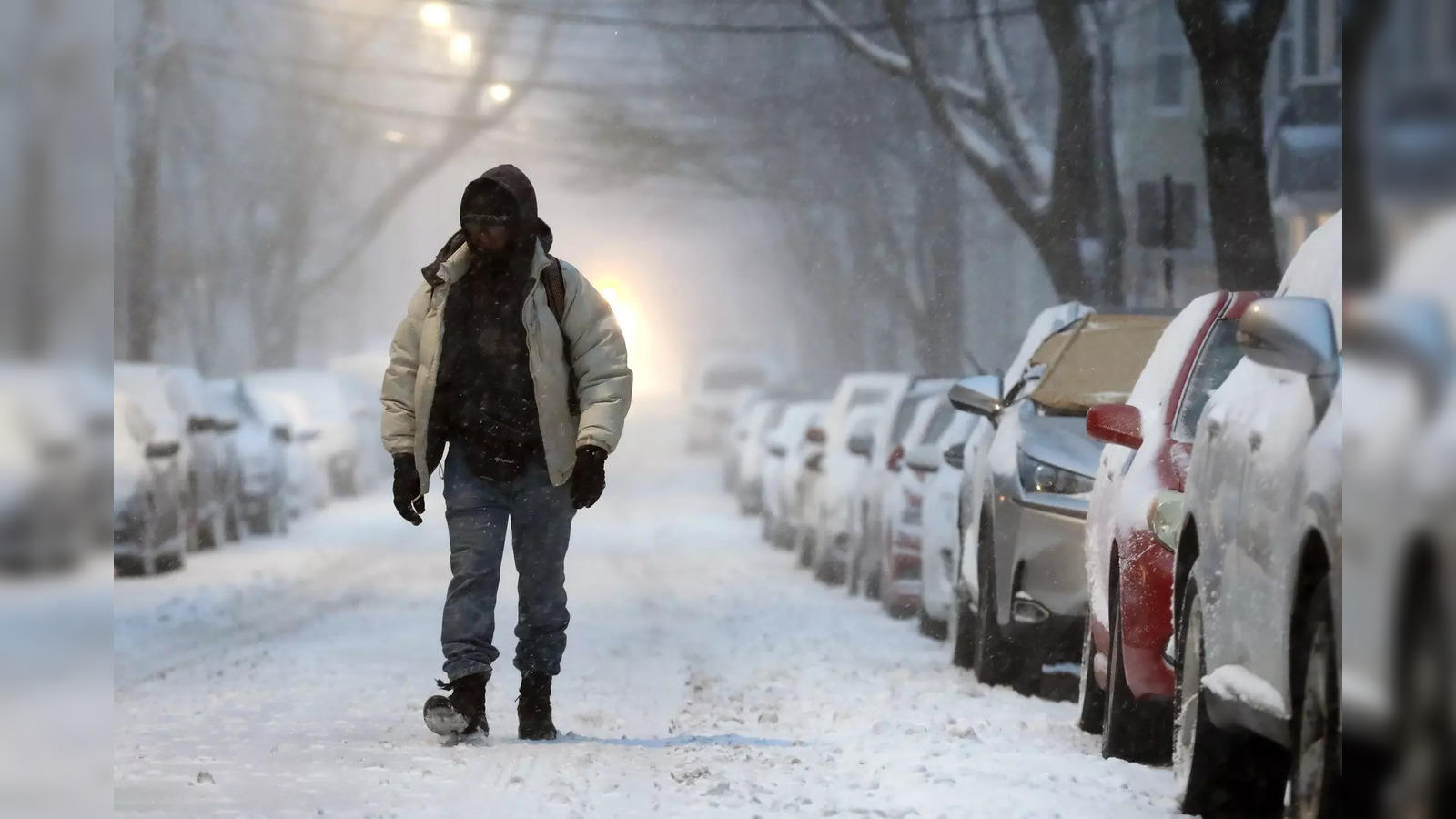
Together, wind, humidity, and temperature provide a more complete picture than temperature alone. This is particularly helpful when deciding what to wear or whether an outdoor activity will be comfortable.
How to Read an Hourly Forecast
An hourly forecast provides a more detailed view of how conditions may develop during the day. Instead of showing only one daily temperature, it can indicate expected temperature, precipitation probability, wind, and cloud conditions for individual hours.
When reviewing weather today, start by identifying the hours that matter most for your schedule. If you commute early, focus on morning conditions. If you plan outdoor work or recreation, examine the afternoon and evening periods as well.
It is also useful to compare forecast updates when conditions are changing. Weather models are continuously updated as new observations become available. A forecast viewed several hours earlier may therefore differ from a newer forecast.
Weather and Daily Travel Planning
Weather conditions can affect driving, cycling, walking, public transportation, and air travel. Rain may reduce visibility and make roads slippery, while strong winds can create difficulties for high-profile vehicles. Fog can also reduce visibility, particularly during early morning hours.
For longer journeys, checking conditions along the entire route can be more useful than checking only the destination. Weather may vary considerably between cities or regions, especially when traveling across mountains, plains, coastal areas, or large distances.
Before leaving, reviewing weather today alongside traffic and transportation information can provide a clearer picture of potential travel conditions. Travelers should also pay attention to official warnings when severe weather is possible.
Seasonal Weather Patterns
Weather expectations depend heavily on location and season. Summer commonly brings warmer conditions in many regions, while winter often produces lower temperatures. Spring and autumn can feature greater day-to-day variability as seasonal patterns transition.
Monsoon regions may experience frequent rainfall during particular months, whereas arid areas can remain dry for long periods. Mountainous locations can have rapid changes in temperature and precipitation because elevation influences atmospheric conditions.
Understanding local climate patterns provides useful background, but it should not replace checking the current forecast. A seasonal average describes typical conditions, while weather today describes the conditions expected at a specific time and place.
Weather Alerts and Safety Information
A normal forecast is useful for planning, but official alerts become particularly important during potentially hazardous conditions. Warnings may be issued for thunderstorms, heavy rainfall, strong winds, extreme heat, flooding, or other weather-related hazards.
When an alert is active, practical precautions may include:
- Avoiding unnecessary outdoor travel during dangerous conditions.
- Securing loose objects before strong winds arrive.
- Staying away from flooded roads and rapidly moving water.
- Following instructions from local authorities and emergency services.
Forecasts cannot eliminate uncertainty. Weather systems can change direction, strengthen, weaken, or arrive earlier or later than expected. For potentially dangerous situations, official emergency information should take priority over informal forecasts.
How Weather Forecasts Are Created
Modern forecasting combines observations from weather stations, satellites, radar systems, aircraft, ocean instruments, and other sources. Meteorologists use these observations with computer-based atmospheric models to estimate future conditions.
Forecasting is more reliable for short-term patterns when atmospheric conditions are well understood, but uncertainty increases as the forecast period becomes longer. This is why a forecast for the next few hours can be more specific than one several days in advance.
Local geography also creates forecasting challenges. Mountains, coastlines, cities, forests, and bodies of water can influence temperature, rainfall, wind, and cloud development. Two nearby locations may therefore experience noticeably different conditions.
Using Weather Information More Effectively
A good approach is to combine several pieces of information instead of relying on one number. Check the current temperature, hourly outlook, precipitation chances, wind, humidity, and any active warnings.
When planning something important, review the forecast more than once because updated observations can change predictions. It is also useful to consider the timing of the activity rather than simply asking whether the entire day will be good or bad.
For example, an outdoor event may be practical during a dry morning even if showers are expected later. Similarly, a warm afternoon may require different clothing and hydration planning than a cool morning.
Conclusion
Understanding weather today is about more than checking whether the day will be sunny or rainy. Temperature, precipitation, wind, humidity, cloud cover, visibility, and official alerts all contribute to a more complete picture of current conditions.
Using hourly forecasts can make daily planning more precise, while understanding seasonal and local patterns provides valuable context. Because forecasts can change as new atmospheric information becomes available, checking updated conditions is especially important when travel, outdoor activities, or severe weather are involved.
With a basic understanding of weather measurements and forecast timing, people can make more informed decisions about clothing, commuting, travel, work, recreation, and safety. The most useful approach is to consider the complete forecast rather than focusing on a single weather number.