

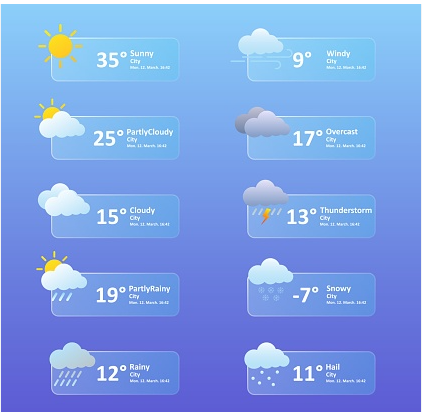

Introduction: Understanding the Sky Around Us
When people look outside in the morning, one of the first thoughts that comes to mind is often about the sky, temperature, and overall atmosphere. In simple words, this curiosity is captured in the question what is the weather. It may sound basic, but it actually connects to a very complex system that controls nearly every part of daily life on Earth.
Weather is not just about sunshine or rain. It is a constantly changing mix of air pressure, temperature, moisture, and wind movement. These elements interact every second, creating the conditions we experience outdoors. Whether you are planning your day, traveling, or working in agriculture, understanding weather gives you a major advantage in making better decisions.
To truly understand it, we need to look deeper into how the atmosphere behaves, why it changes, and how scientists are able to predict it with increasing accuracy.
What Weather Really Means in Everyday Life
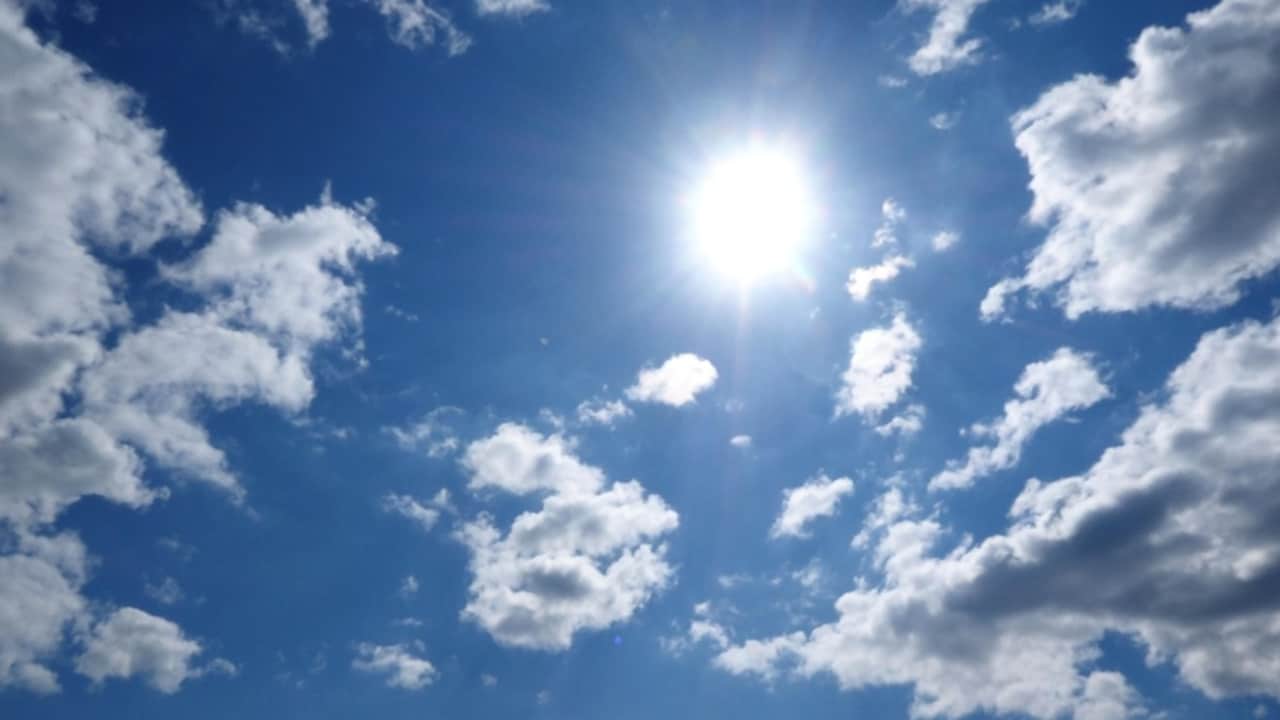
At its core, weather describes the condition of the atmosphere at a specific time and place. When someone asks what is the weather, they are referring to things like temperature, cloud cover, rainfall, wind speed, and humidity all at once.
In daily life, weather is deeply connected to human behavior. It influences what we wear, how we travel, and even our mood. A sunny day encourages outdoor activities, while a rainy day might keep people indoors. Farmers depend on it for crops, and airlines depend on it for safe flight routes.
Weather changes frequently because the atmosphere is never still. It reacts to sunlight, ocean currents, and even geographical features like mountains and forests. This makes it one of the most dynamic systems on Earth.
Core Elements That Shape Atmospheric Conditions
To understand the answer to what is the weather, we need to break it down into its main components. These elements work together like ingredients in a recipe.
Temperature is the most noticeable factor. It tells us how hot or cold the air feels and is influenced mainly by sunlight. Humidity represents the amount of moisture in the air and affects how comfortable or sticky the environment feels.
Wind plays a major role in moving air masses from one region to another, carrying heat or cold along with it. Pressure differences in the atmosphere create wind, and these differences constantly shift across the planet.
Precipitation includes rain, snow, and hail. It occurs when moisture in the air becomes too heavy to stay suspended. Together, these elements define every weather condition we experience.
How Weather Forecasting Actually Works
When people ask what is the weather, they often want to know what will happen next. This is where forecasting comes in. Weather forecasting is the science of predicting atmospheric conditions using data and mathematical models.
Meteorologists collect information from satellites, radar systems, weather balloons, and ground stations. This data is fed into powerful computers that simulate how the atmosphere will behave in the future.
Even though forecasting has become highly advanced, it is not always perfect. The atmosphere is chaotic, meaning small changes can lead to big differences over time. However, short-term forecasts are usually very reliable and help people plan daily activities with confidence.
Tools and Technology Used in Modern Forecasting
Modern science has completely transformed how we understand what is the weather. Today, forecasting is supported by advanced tools that gather real-time data from around the world.
Satellites orbit Earth and capture images of cloud formations, storm systems, and temperature patterns. Radar systems track rainfall intensity and movement. Weather stations placed on land and sea continuously measure temperature, humidity, and wind speed.
Supercomputers process this massive amount of information to create predictive models. These models simulate how air masses will move and interact in the coming hours or days. Mobile apps then bring this data directly to users, making weather updates accessible within seconds.
Difference Between Weather and Climate Explained
One common confusion is between weather and climate. While they are related, they are not the same thing.
When someone asks what is the weather, they are talking about short-term conditions. Climate, on the other hand, refers to long-term patterns over many years.
For example, a single rainy day is weather, but a region known for frequent rainfall is defined by its climate. Weather can change within minutes, but climate changes slowly over decades or centuries.
Understanding this difference helps people interpret forecasts more accurately and avoid confusion when discussing environmental changes.
How Weather Impacts Human Life and Society
Weather plays a powerful role in shaping human civilization. Agriculture depends heavily on rainfall and temperature conditions. Transportation systems, especially aviation and shipping, rely on accurate forecasts to ensure safety.
Health is also affected by weather. Extreme heat can lead to dehydration, while extreme cold can cause serious health risks. Even mental well-being can be influenced by sunlight exposure and seasonal changes.
When people ask what is the weather, they are indirectly trying to understand how their environment will affect their daily life. This awareness helps societies prepare for challenges and reduce risks.
Seasonal Changes and Global Patterns
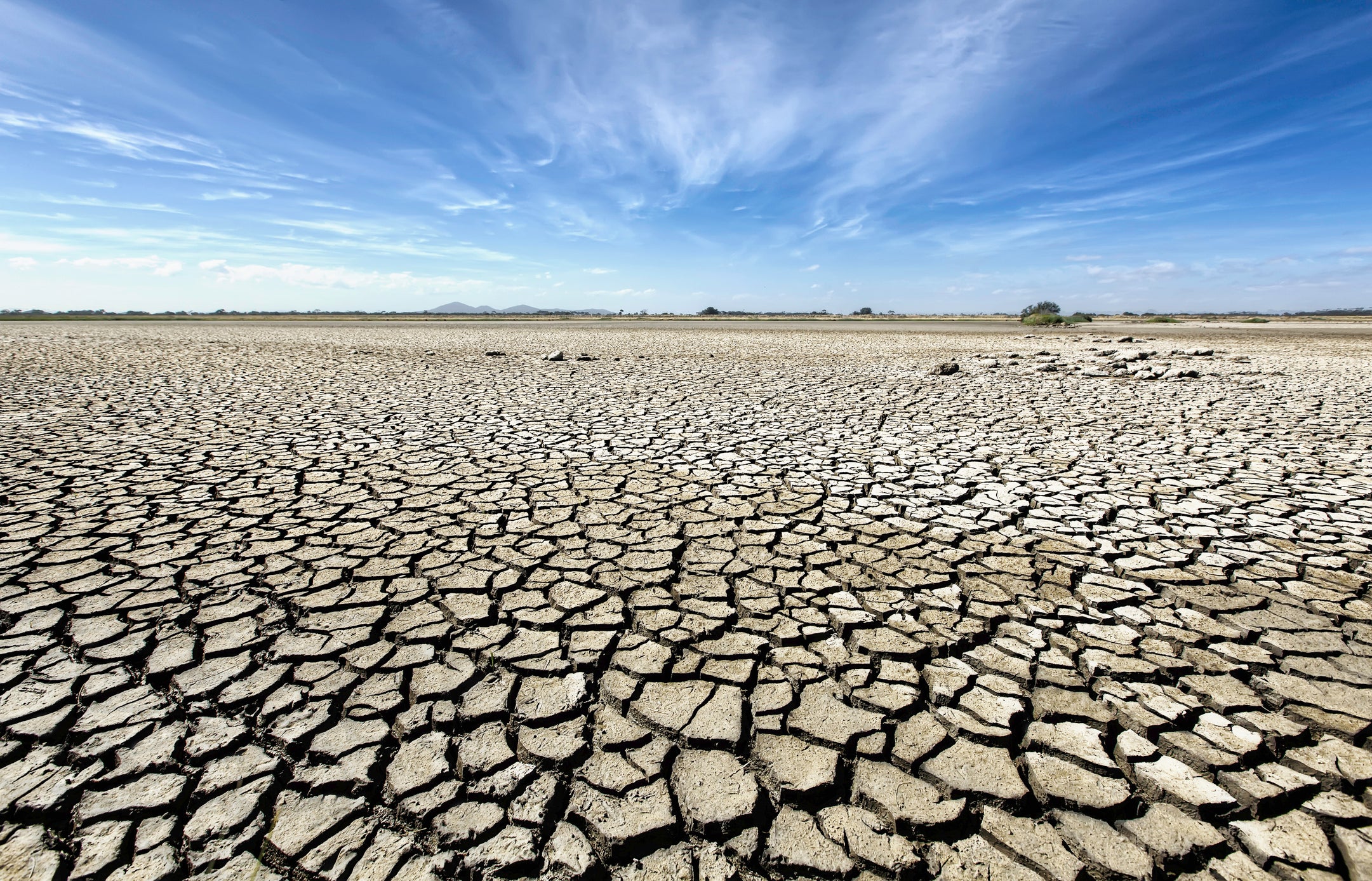
Earth experiences seasons because of its tilted axis and orbit around the sun. These seasonal changes create predictable shifts in temperature and weather patterns throughout the year.
Summer brings heat and longer daylight hours, while winter brings cold and shorter days. Monsoon seasons bring heavy rainfall in certain regions, especially in tropical areas.
These patterns help scientists understand long-term behavior in the atmosphere. While daily conditions may vary, seasonal trends provide a bigger picture of how the environment behaves over time.
Extreme Weather Events and Safety Awareness
Sometimes, the atmosphere becomes unstable, leading to extreme events such as hurricanes, floods, tornadoes, and heatwaves. These events can cause significant damage and require careful monitoring.
When people think about what is the weather, they often imagine normal conditions, but extreme weather is also part of the system. It occurs due to rapid changes in pressure, temperature, or moisture levels.
Early warning systems help detect these events before they become dangerous. Governments and meteorological agencies issue alerts to help people prepare and stay safe during emergencies.
Simple Table of Weather Types and Effects
| Weather Condition | Description | Everyday Impact |
|---|---|---|
| Sunny | Clear skies and bright sunlight | Outdoor activities, travel ease |
| Rainy | Clouds with rainfall | Agriculture benefit, traffic delays |
| Windy | Strong air movement | Cooling effect, transport disruption |
| Cloudy | Overcast skies | Mild temperatures, low sunlight |
| Stormy | Heavy rain and thunder | Safety risks, indoor caution needed |
This table helps simplify how different atmospheric conditions affect daily life in practical ways.
Frequently Asked Questions About Weather Understanding
What is the weather in simple terms?
It is the condition of the atmosphere at a specific time and place, including temperature, wind, and rainfall.
Why does weather change so often?
Because the atmosphere is constantly moving and reacting to heat, pressure, and moisture changes.
How accurate are forecasts today?
Short-term forecasts are highly accurate, while long-term predictions become less precise.
Can weather be controlled by humans?
No, weather cannot be controlled, but it can be studied and predicted.
Why is weather important in daily life?
It affects health, transportation, agriculture, and overall lifestyle decisions.
Conclusion: Understanding the Power of the Atmosphere
In the end, weather is not just a background condition—it is a powerful system that influences everything around us. From the clothes we wear to the crops we grow, every part of life is connected to atmospheric behavior.
By understanding patterns, tools, and forecasting methods, we can better prepare for daily changes and unexpected events. The question what is the weather opens the door to a much larger understanding of Earth’s natural systems.
When you pay attention to weather updates and learn how to interpret them, you gain the ability to plan smarter, stay safer, and live more comfortably. Weather awareness is not just knowledge—it is a practical skill that improves everyday life.