



Introduction
Kolkata weather changes noticeably throughout the year, moving from hot and humid summers to rainy monsoon months and comfortable winters. Located in eastern India near the Hooghly River, Kolkata experiences a tropical wet-and-dry climate influenced by seasonal winds, moisture from the Bay of Bengal, and changing rainfall patterns. These conditions affect everyday travel, outdoor activities, clothing choices, and sightseeing plans.
Understanding the local climate helps residents and visitors prepare for different weather conditions. Summer afternoons can feel particularly uncomfortable because high temperatures combine with humidity, while monsoon showers may interrupt road journeys and outdoor plans. Winter generally offers more pleasant conditions for exploring historic landmarks, markets, parks, and cultural attractions.
Anyone checking Kolkata weather should consider more than the temperature alone. Humidity, rainfall probability, wind, cloud cover, and the possibility of thunderstorms can all influence how a day feels. A useful weather update can help you decide when to travel, what to wear, and whether to carry an umbrella.
This guide explains Kolkata’s seasonal climate, typical weather patterns, monthly variations, reliable forecasting methods, and practical precautions for comfortable daily planning.
Understanding Kolkata’s Climate
Kolkata has a tropical climate characterized by warm temperatures, substantial humidity, seasonal rainfall, and relatively mild winters. Its location in the lower Gangetic plains and proximity to the Bay of Bengal influence the city’s weather throughout the year.
Three broad seasons shape local conditions: summer, monsoon, and winter. Summer usually becomes prominent from March and continues into June, although heat can begin earlier. The southwest monsoon generally arrives around June and brings frequent rainfall through September. October often marks a transition toward drier conditions, while November to February typically offers cooler and more comfortable weather.
Humidity is an important feature of the city. Even when the thermometer does not show an exceptionally high temperature, moisture in the air can make outdoor conditions feel warmer. This is particularly noticeable during summer and the monsoon season.
Thunderstorms, locally associated with Kalbaishakhi weather events, may occur during the pre-monsoon period. These storms can bring sudden gusty winds, lightning, heavy showers, and temporary relief from heat. However, they can also disrupt traffic and outdoor activities.
Because weather conditions vary from one day to another, seasonal averages should be treated as general guidance rather than a precise prediction. Checking a current forecast is the best way to understand the conditions expected for a particular date.
Kolkata Weather in Summer
Summer in Kolkata can be hot, humid, and tiring, particularly during the afternoon. March often introduces warmer days, while April and May can bring more intense heat. Temperatures commonly reach the upper 30s Celsius during hotter periods, although actual readings vary depending on the year and prevailing weather systems.
High humidity makes summer discomfort more noticeable. Sweat evaporates less efficiently when the air contains considerable moisture, so people may feel hotter than the measured temperature suggests. Long journeys, crowded public transport, and walking in direct sunlight can become especially uncomfortable.
Pre-monsoon thunderstorms sometimes interrupt the heat. These showers may develop quickly, so a clear morning does not guarantee a completely dry afternoon. Strong winds and lightning also mean that people should avoid exposed areas when storms approach.
For everyday comfort, drink water regularly, wear lightweight clothing, and schedule outdoor activities during cooler parts of the day. If you need to visit markets or attractions, mornings are often more comfortable than hot afternoons.
Air-conditioned transport or indoor breaks can help during extreme heat. Older adults, young children, outdoor workers, and people sensitive to heat should take additional precautions during unusually hot conditions.
Kolkata Weather During the Monsoon
The monsoon usually begins around June and continues through September, bringing much-needed rainfall and a noticeable increase in moisture. Cloudy skies, humid afternoons, intermittent showers, and periods of heavy rain become common features of this season.
Rainfall does not necessarily occur continuously throughout the day. Some days experience short showers separated by dry intervals, while others receive prolonged or intense rain. The timing and strength of monsoon systems determine how much rain different parts of the city receive.
Heavy showers can create waterlogging in low-lying areas, slow road traffic, and affect bus, taxi, and other transport services. Walking conditions may become difficult because of slippery pavements, standing water, and reduced visibility. People planning important appointments should allow additional travel time.
An umbrella or raincoat is useful, but footwear also matters. Water-resistant shoes can make walking more comfortable, and a waterproof bag can protect electronic devices and important documents.
Before travelling during heavy rain, check local weather alerts and transport updates. Avoid walking or driving through floodwater because its depth, current, and potential hazards may be difficult to judge. Never approach fallen electrical wires or flooded electrical installations.
Kolkata Weather in Winter
Winter is generally considered one of the most comfortable seasons in Kolkata. November often brings a gradual reduction in humidity, while December and January typically offer cooler mornings, pleasant afternoons, and relatively low rainfall.
Daytime temperatures are often comfortable for sightseeing and outdoor activities. Early mornings and late evenings can feel chilly, especially during periods of stronger northerly winds or when temperatures fall more than usual. Light fog or mist may occasionally affect visibility.
Winter conditions are particularly suitable for exploring the city’s architectural landmarks, public gardens, museums, and riverside areas. Visitors can often spend more time outdoors without experiencing the intense heat associated with late spring and summer.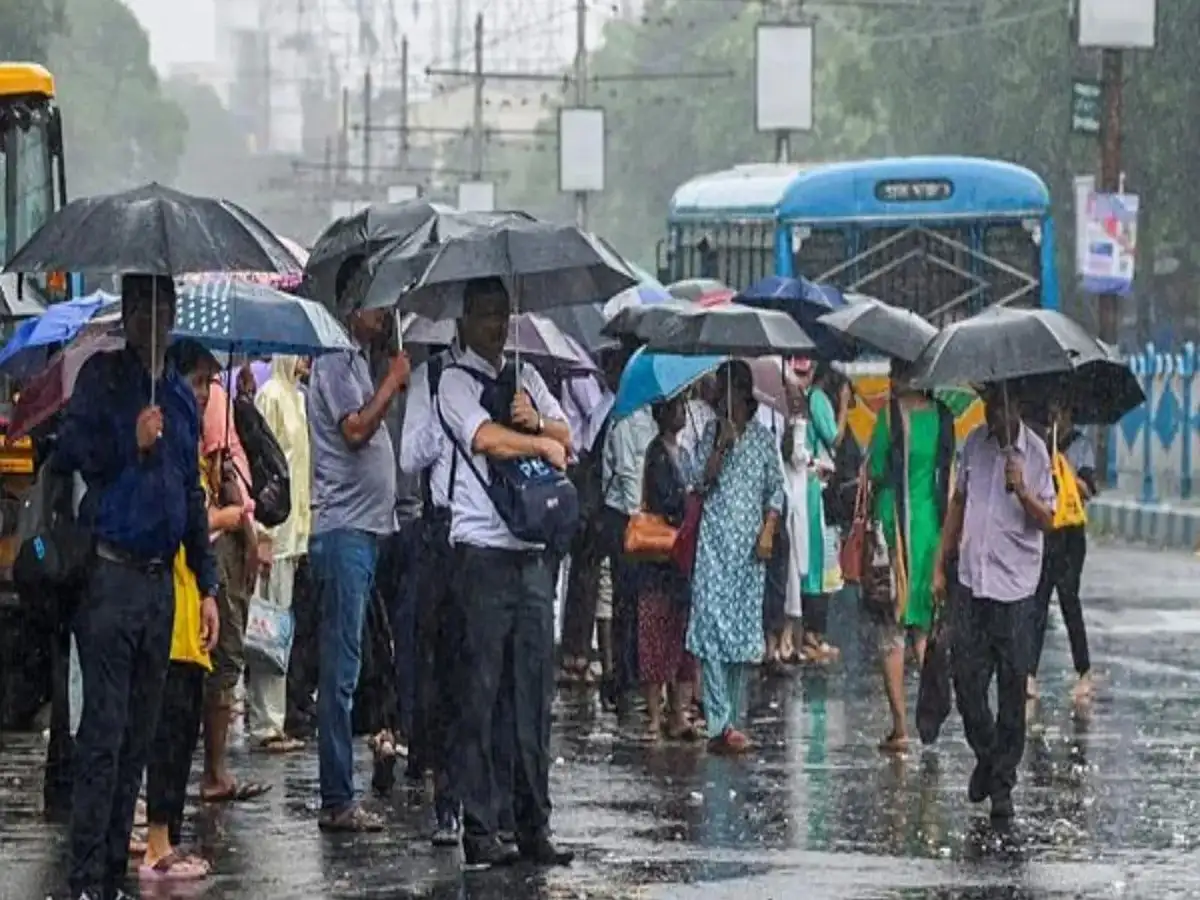
Clothing requirements depend on the forecast and individual comfort. Light layers usually work well because afternoons can be warmer than mornings. A sweater or light jacket may be useful for early starts and evening outings.
Winter weather can change from one day to the next. Cold spells do occur, but Kolkata generally does not experience the prolonged severe winter conditions associated with northern Himalayan regions. Checking morning temperatures and the expected daytime maximum helps you choose suitable clothing.
Month-by-Month Kolkata Weather Guide
Each month brings different weather characteristics, although seasonal transitions are not identical every year. The following table provides a broad planning guide rather than a live forecast.
| Month | Typical conditions | Practical advice |
|---|---|---|
| January | Cool mornings, mild afternoons | Carry light layers |
| February | Pleasant and gradually warmer | Plan outdoor visits |
| March | Increasing warmth | Prefer morning activities |
| April | Hot and increasingly humid | Drink water regularly |
| May | Very warm, possible thunderstorms | Monitor storm alerts |
| June | Rising humidity, monsoon onset | Carry rain protection |
| July | Frequent monsoon rainfall | Allow extra travel time |
| August | Humid with recurring showers | Check rainfall updates |
| September | Rain continues, gradual transition | Prepare for sudden showers |
| October | Changing conditions, often less rain | Check forecasts before outings |
| November | Generally drier and more comfortable | Enjoy outdoor sightseeing |
| December | Mild days and cooler mornings | Carry a light jacket |
These descriptions reflect broad seasonal tendencies. Actual temperatures, rainfall totals, and humidity levels may differ considerably in a particular year. A monthly overview is helpful for planning holidays, but a date-specific forecast is more useful for deciding what to do tomorrow.
Temperature, Humidity and Rainfall Explained
Temperature indicates how warm or cool the air is, but it does not fully explain how the weather feels. Kolkata’s humidity can make warm conditions more uncomfortable, particularly during the summer and monsoon.
The heat index combines air temperature and relative humidity to describe how hot conditions may feel to the human body. When humidity is high, sweat evaporates more slowly, reducing the body’s ability to cool itself. During particularly hot periods, seek shade, drink water, and take breaks in cooler places.
Rainfall is another important factor. A forecast showing a chance of rain does not necessarily mean every neighbourhood will experience a shower. Rain can be localized, and conditions may change quickly. The expected intensity and duration of rainfall are often more useful than the probability alone.
Wind affects comfort and safety, too. A breeze may provide relief on a hot afternoon, while strong gusts associated with thunderstorms can create hazards around trees, temporary structures, and loose objects.
Cloud cover influences sunshine and daytime heating. Overcast conditions may reduce direct sunlight, but high humidity can still make the air feel uncomfortable. For a complete picture, review temperature, feels-like temperature, humidity, wind, and rainfall together.
How to Check the Kolkata Weather Forecast
Checking a reliable forecast before leaving home can help you avoid unnecessary delays and prepare for changing conditions. Weather forecasts are available through official meteorological services, weather applications, and reputable news platforms.
The India Meteorological Department (IMD) provides forecasts, rainfall information, and weather warnings for locations across India. Its updates can be especially useful when thunderstorms, heatwaves, heavy rainfall, or other potentially hazardous conditions are expected.
When checking Kolkata weather today, focus on the following details:
-
Current temperature: Understand how warm or cool it is at the moment.
-
Feels-like temperature: Check whether humidity makes the conditions feel hotter.
-
Rain probability: Determine whether carrying an umbrella would be sensible.
-
Hourly forecast: Identify periods that may be more suitable for outdoor activities.
-
Wind and storm alerts: Prepare for strong gusts, lightning, or severe weather.
-
Extended forecast: Review the expected pattern for the coming days, remembering that predictions become less certain further into the future.
For important journeys, compare the forecast with official warnings and check it again shortly before departure. Weather applications can differ because they use different forecasting models, update schedules, and geographic coverage.
Best Time to Visit Kolkata
The cooler months, particularly November through February, are generally popular for visiting Kolkata. Comfortable daytime conditions make it easier to explore historical attractions, cultural institutions, food markets, and neighbourhoods on foot.
October and March can also be suitable, although temperatures and humidity may be higher than during the middle of winter. Travellers visiting in these months should plan outdoor sightseeing around the day’s expected conditions.
Summer travel requires more preparation because afternoon heat can be intense. Start sightseeing early, take indoor breaks, and avoid spending extended periods in direct sunlight. Monsoon travel offers a different experience, with greener surroundings and rainy city views, but flexible plans are essential.
Your ideal travel dates also depend on the purpose of your visit. Cultural events, family gatherings, business meetings, and sightseeing may have different requirements. If you are travelling during a festival or a busy holiday period, account for crowds and road congestion in addition to weather.
Regardless of the season, check the forecast a few days before departure and again on the day of travel. This approach helps you make practical adjustments without relying entirely on long-range predictions.
Practical Tips for Different Weather Conditions
Preparing for Kolkata’s changing climate does not require an elaborate routine. A few simple habits can make daily activities more comfortable and safer.
During hot weather, carry drinking water, wear breathable clothing, and use shade whenever possible. A hat, sunglasses, and sunscreen can provide additional protection when spending time outdoors. Avoid strenuous activity during the hottest part of the day when conditions are particularly uncomfortable.
During the rainy season, carry an umbrella or raincoat and protect valuables from water. Leave extra time for commuting because heavy showers may slow traffic. If severe weather warnings are issued, reconsider nonessential outdoor plans.
During winter, check morning temperatures before choosing your clothes. Layered clothing allows you to adjust as the day warms up. People travelling early or returning late may appreciate an additional layer.
For all seasons, consider these habits:
-
Check hourly conditions before starting a long journey.
-
Keep essential medicines and important documents protected from rain.
-
Follow official alerts rather than relying only on social media messages.
-
Avoid exposed locations during lightning and thunderstorms.
-
Adjust outdoor exercise according to heat, humidity, and air quality.
These precautions are useful for residents, students, office workers, and tourists alike.
Conclusion
Kolkata’s climate changes significantly across the year, with hot summers, a humid and rainy monsoon, and comparatively comfortable winters. Understanding these seasonal differences helps residents manage daily routines and enables visitors to plan sightseeing, transport, and outdoor activities more effectively.
Whether you are commuting to work, planning a family outing, or preparing for a holiday, a quick forecast check can make your plans more practical. By choosing suitable clothing, allowing extra travel time during heavy rain, and taking precautions during extreme heat, you can navigate Kolkata’s changing weather with greater comfort and confidence.