


Introduction
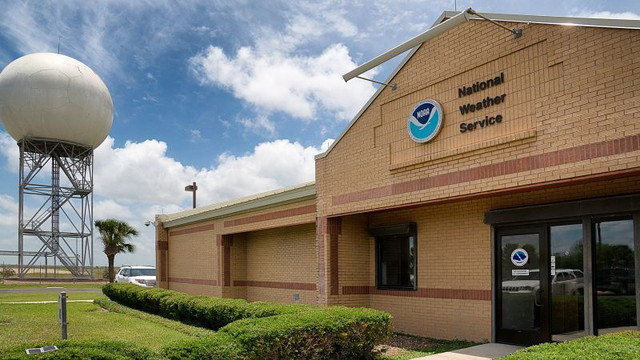
Weather affects almost every part of daily life, from commuting and outdoor activities to farming, travel, aviation, and emergency planning. Having access to dependable forecasts is especially important when severe conditions such as thunderstorms, hurricanes, tornadoes, floods, winter storms, or extreme heat are possible. In the United States, the National Weather Service plays a major role in providing weather forecasts, warnings, observations, and scientific information to the public.
The service operates as part of the National Oceanic and Atmospheric Administration and supports communities through a nationwide network of forecast offices, weather observation systems, satellites, radar, and meteorological expertise. Its information is designed not only to tell people what the weather may be like but also to help them understand potentially dangerous conditions. By combining observations with forecasting technology and professional analysis, the National Weather Service helps individuals, businesses, emergency managers, and government agencies make informed decisions.
What Is the National Weather Service?
The National Weather Service is the United States government organization responsible for providing weather, water, and climate-related information. Its work covers ordinary forecasts as well as warnings for potentially life-threatening weather events. The organization serves communities across the country through regional and local forecast offices.
Its responsibilities extend beyond simply predicting temperature or rainfall. Meteorologists monitor atmospheric conditions, analyze weather patterns, issue watches and warnings, and provide information that can support emergency response. The service also contributes weather information for transportation, agriculture, aviation, marine operations, and other industries.
A major purpose of the organization is public safety. When severe weather develops, timely information can give people an opportunity to seek shelter, change travel plans, protect property, or prepare for flooding. This makes reliable weather communication an important part of disaster preparedness.
How the National Weather Service Works
Modern weather forecasting depends on information collected from many different sources. The National Weather Service uses observations from weather stations, radar systems, satellites, balloons, aircraft, ocean instruments, and other monitoring equipment. These observations provide information about temperature, pressure, humidity, wind, precipitation, cloud conditions, and atmospheric movement.
Meteorologists then study these observations alongside computer-based weather models. Forecast models simulate how the atmosphere could develop over time. Meteorologists compare model results with current observations and their knowledge of local weather patterns before developing forecasts.
Radar is particularly useful for monitoring precipitation and severe storms. Satellites provide a broader view of cloud systems and atmospheric conditions, including areas over oceans where ground-based observations may be limited. Together, these systems create a detailed picture of the atmosphere and help forecasters identify changing conditions.
Types of Weather Information Available
The National Weather Service provides a wide range of information for different situations. Users can find regular forecasts, severe weather alerts, marine information, flood information, climate data, and other specialized products.
Some common types of information include:
- Daily and hourly weather forecasts
- Severe thunderstorm warnings
- Tornado watches and warnings
- Flood watches and warnings
- Winter weather alerts
- Heat-related warnings and advisories
- Hurricane and tropical weather information
- Aviation weather information
- Marine forecasts
- Climate and historical weather information
The difference between these products is important. A forecast generally describes expected conditions, while a watch indicates that conditions are favorable for a particular hazardous event. A warning usually means that hazardous weather is occurring, imminent, or has been detected and requires immediate attention.
National Weather Service Forecasts at a Glance
| Weather Information | Main Purpose | Typical Use |
|---|---|---|
| Daily Forecast | Expected weather conditions | Planning daily activities |
| Hourly Forecast | Detailed short-term conditions | Travel and outdoor plans |
| Weather Watch | Conditions may become dangerous | Preparing for possible severe weather |
| Weather Warning | Dangerous weather is occurring or imminent | Taking immediate safety action |
| Radar Information | Tracks precipitation and storms | Monitoring storm movement |
| Climate Data | Examines long-term patterns | Research and planning |
| Marine Forecast | Describes ocean and coastal conditions | Boating and maritime activities |
Why Weather Warnings Matter
Weather warnings can become extremely important when conditions change quickly. A severe thunderstorm may produce damaging winds, large hail, lightning, or heavy rainfall. Tornadoes can develop rapidly, while flash floods can make roads and low-lying areas dangerous within a short period.
 The National Weather Service uses different alert categories to communicate the level and nature of potential danger. Understanding these categories can help people respond appropriately instead of treating every weather notification in the same way.
When a warning is issued for an individual’s area, people should pay attention to the recommended safety instructions. Depending on the event, this might mean moving indoors, avoiding flooded roads, staying away from windows, or seeking a designated shelter.
Technology Behind Weather Forecasting
Weather forecasting has changed considerably over time. Earlier forecasting relied heavily on observations and manual calculations. Today, meteorologists have access to advanced radar, satellite imagery, numerical weather prediction models, automated weather stations, and high-speed computing systems.
The National Weather Service uses these technologies to monitor atmospheric conditions and improve forecasts. Doppler radar, for example, can provide information about precipitation and wind movement inside storms. Weather satellites can observe large-scale systems across extensive geographic areas.
Forecasting is still not an exact science. The atmosphere is highly complex, and small changes in initial conditions can influence future weather. Forecast accuracy generally decreases as the forecast period becomes longer. This is why people should pay particular attention to updated forecasts when making decisions involving severe weather.
Weather Information for Different Industries
Weather information is valuable far beyond personal planning. Many industries depend on accurate forecasts to manage operations and reduce risks.
Agriculture
Farmers use weather information when planning planting, irrigation, harvesting, and crop protection. Temperature forecasts and precipitation information can help agricultural operations make better short-term decisions.
Aviation
Pilots and aviation professionals require detailed information about wind, visibility, storms, icing, turbulence, and other atmospheric conditions. Reliable forecasts can contribute to safer flight planning.
Transportation
Road, rail, and shipping operations can be affected by snow, ice, flooding, strong winds, and reduced visibility. Weather information allows transportation organizations to prepare for challenging conditions.
Emergency Management
Emergency managers use forecasts and warnings to prepare communities for severe storms, floods, hurricanes, winter weather, and other hazards. Timely information can support evacuation planning and emergency response.
How to Use Weather Information Responsibly
Simply checking a forecast once is not always enough, particularly when severe weather is possible. Conditions can change, and updated information may provide a different picture from an earlier forecast.
For better weather planning:
- Check forecasts before important outdoor activities.
- Pay attention to watches and warnings.
- Look at hourly conditions when timing matters.
- Recheck the forecast when severe weather is expected.
- Take official emergency instructions seriously.
- Avoid driving through flooded roads.
- Keep emergency supplies available during severe weather seasons.
- Learn the safest shelter location for your home or workplace.
Understanding weather information is just as important as accessing it. A forecast provides useful guidance, but people should consider changing conditions and follow safety recommendations when hazardous weather develops.
National Weather Service and Community Safety
One of the most important functions of the National Weather Service is connecting scientific information with public safety. Weather hazards do not affect every community in exactly the same way. Local geography, population, infrastructure, and preparedness can influence the consequences of a storm or other event.
Local forecast offices therefore play an important role in communicating conditions specific to their areas. Meteorologists can monitor developing systems and provide updates as new information becomes available. Emergency organizations, local authorities, schools, businesses, and residents can use these updates as part of their preparedness plans.
Weather safety also depends on individual awareness. People should know where they can take shelter, how they will receive emergency alerts, and what actions are appropriate for different hazards. Preparing before severe weather arrives can reduce confusion during an emergency.
Benefits of Reliable Weather Forecasting
Reliable weather information provides several practical advantages. It allows people to make better decisions, reduces uncertainty, and supports preparation for potentially dangerous events.
Key benefits include:
- Better planning for travel and outdoor activities
- Earlier preparation for severe weather
- Improved emergency response
- Support for farming and agriculture
- Safer aviation and marine operations
- Better transportation planning
- Access to historical and climate information
- Greater public awareness of weather hazards
Although no forecast can guarantee exactly what will happen, professional forecasting provides valuable information about likely conditions and potential risks.
Conclusion
Weather information has become an essential part of modern life. From a simple daily temperature forecast to urgent severe weather warnings, accurate information can influence personal decisions, business operations, transportation, agriculture, and emergency response. The National Weather Service provides a broad range of weather and environmental information designed to help people understand changing atmospheric conditions and respond to potential hazards.
Using forecasts effectively requires more than checking the temperature. People should understand the difference between forecasts, watches, and warnings, monitor updates during changing conditions, and follow appropriate safety guidance. With modern observation systems, radar, satellites, forecasting models, and professional meteorologists working together, the National Weather Service remains an important source of weather information for communities across the United States.