


Introduction
Planning outdoor activities can be exciting, whether it involves a family picnic, a weekend trip, a morning walk, a sporting event, or a long-distance journey. However, changing atmospheric conditions can quickly affect even the most carefully organized plans. A sunny morning may turn into a cloudy afternoon, unexpected rainfall can interrupt travel, and strong winds may make certain outdoor activities uncomfortable. This is why checking reliable forecasts and understanding daily environmental changes have become important parts of everyday planning. Having access to timely information allows people to make better decisions, avoid unnecessary inconvenience, and enjoy their activities with greater confidence.
In today’s digitally connected world, people can access forecasts through smartphones, television broadcasts, mobile applications, and online information platforms. These services provide useful details about temperature, humidity, rainfall probability, wind speed, and other atmospheric conditions. Regularly following Weather updates can help individuals understand what to expect throughout the day instead of depending entirely on personal observations. This information is particularly valuable when planning activities that involve extended outdoor exposure, road travel, tourism, or family gatherings.
As environmental patterns continue to change, staying informed has become more important than ever. Seasonal variations, unexpected rainfall, heatwaves, thunderstorms, and other conditions can influence daily routines in different regions. Understanding how forecasts work and learning how to interpret their information can help people prepare effectively. With a little planning and awareness, outdoor experiences can become safer, more comfortable, and less likely to be disrupted by sudden environmental changes.
Why Daily Forecasts Matter for Outdoor Planning
Outdoor activities depend heavily on environmental conditions. People planning a hiking trip, wedding celebration, school event, picnic, or sporting competition need to understand whether the surrounding conditions will support their plans. A forecast provides an overview of expected atmospheric changes, helping individuals decide the most appropriate time and location for their activities. For example, someone planning a morning cycling session may prefer cooler hours, while a family organizing an outdoor gathering might choose a day with a lower possibility of rainfall.
Daily forecasts also help people prepare suitable clothing, equipment, and travel arrangements. During warmer months, individuals may need lightweight clothing, drinking water, sunscreen, and shaded resting areas. In colder conditions, jackets and additional protection may become necessary. When rainfall is expected, carrying umbrellas or waterproof clothing can prevent minor discomfort from becoming a major inconvenience. These simple preparations demonstrate how regularly checking environmental information can improve everyday experiences.
Another important advantage is flexibility. Instead of cancelling an activity immediately when conditions appear uncertain, people can consider alternative timings. If afternoon showers are expected, an outdoor event might be scheduled for the morning. Similarly, if strong winds are predicted, activities involving temporary decorations or lightweight equipment can be adjusted. This approach saves time, reduces unnecessary expenses, and allows people to make practical decisions before leaving home.
Understanding Important Elements of a Forecast
Forecast information includes several measurements that explain different aspects of atmospheric conditions. Learning what these measurements represent makes it easier to understand daily reports and identify potential challenges. Temperature, humidity, precipitation, wind speed, and cloud cover are among the most commonly reported elements. Although these measurements may seem technical, each one has a direct connection with daily comfort and outdoor safety.
Temperature indicates how warm or cold the surrounding air is expected to become. However, the actual feeling of warmth can also depend on humidity, wind, sunlight, and personal activity levels. Humidity measures the amount of water vapour present in the air. Higher humidity can make warm conditions feel more uncomfortable because sweat evaporates less efficiently. Wind speed describes how quickly air moves, while precipitation forecasts indicate the possibility and expected amount of rain, snow, or other forms of falling moisture.
Understanding these factors together provides a clearer picture than looking at temperature alone. For example, a day with moderate temperatures but high humidity may feel uncomfortable during physical activities. Similarly, a cloudy afternoon with strong winds may require different preparation than a calm and sunny afternoon. Weather information becomes more useful when people examine multiple conditions instead of focusing on a single number.
The Difference Between Temperature and Feels-Like Temperature
Temperature and feels-like temperature are related but not identical measurements. The first describes the actual air temperature, while the second estimates how warm or cold conditions may feel to the human body. Factors such as humidity, wind speed, and sunlight influence this experience. During hot and humid conditions, the body may struggle to cool itself through evaporation, making the environment feel warmer than the measured temperature.
During colder periods, strong winds can remove heat from exposed skin more quickly, creating a colder sensation. This is why checking the feels-like temperature can be particularly helpful when selecting clothing for outdoor activities. It also encourages people to take additional precautions during extreme conditions rather than relying only on the temperature displayed in a daily report.
How Technology Has Improved Daily Forecast Information
Forecasting technology has developed considerably over the years. Earlier generations often depended on traditional instruments, local observations, and broad regional predictions. Although these methods provided useful information, they could not always capture smaller changes across different locations. Modern forecasting systems combine satellite observations, weather radar, ground-based monitoring stations, computer models, and atmospheric measurements to produce increasingly detailed predictions.
Satellites help meteorologists observe cloud formations, large atmospheric systems, and developing storms over extensive geographical areas. Radar systems are especially useful for monitoring rainfall and identifying the movement of precipitation. Ground-based stations collect information about temperature, pressure, humidity, and wind conditions. Computer models process these observations to estimate how atmospheric systems may develop over time.
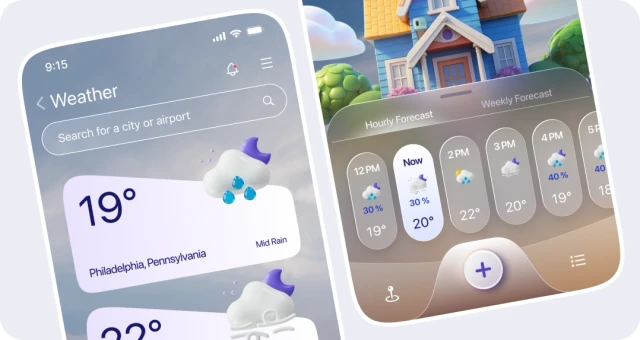
Mobile applications and digital platforms have made this information easier for ordinary users to access. Instead of waiting for a scheduled television bulletin, individuals can check local conditions whenever necessary. Many applications also provide hourly predictions, severe-condition notifications, rainfall maps, and extended forecasts. These features make it easier to compare different periods and organize activities according to expected conditions.
However, technology does not make forecasting completely certain. Atmospheric systems are complex, and predictions become less reliable as the forecast period becomes longer. Local conditions can also change rapidly because of geographical features, sudden storms, and shifting wind patterns. Therefore, checking updated information close to the planned activity remains a sensible habit.
Planning Different Outdoor Activities According to Conditions
Different outdoor activities require different levels of preparation. A short walk in a nearby park may continue comfortably under conditions that would make mountain trekking or water-based recreation unsafe. Understanding the specific requirements of an activity helps people use forecast information more effectively.
For example, hikers should consider rainfall, temperature, wind speed, visibility, and the possibility of thunderstorms before choosing a route. Heavy rainfall can make trails slippery, while poor visibility may create navigation difficulties. People planning beach visits should pay attention to wind conditions, wave activity, and local safety advisories. Families organizing picnics may focus more on rainfall probability, temperature, and access to shaded areas.
The following table explains how different outdoor plans can be adjusted according to expected atmospheric conditions.
| Outdoor activity | Important conditions to check | Recommended preparation |
|---|---|---|
| Hiking and trekking | Rainfall, wind, temperature, visibility | Carry suitable footwear, water, and protective clothing |
| Family picnic | Rain probability, temperature, cloud cover | Choose a suitable location and carry umbrellas |
| Cycling | Wind speed, heat, rainfall | Wear comfortable clothing and stay hydrated |
| Beach visit | Wind, waves, rainfall, local alerts | Follow safety instructions and avoid dangerous water conditions |
| Outdoor sports | Heat, humidity, lightning, wind | Arrange suitable timings and provide resting breaks |
| Road trip | Rainfall, fog, visibility, temperature | Check road conditions and plan flexible travel timings |
These preparations do not guarantee that outdoor activities will always go according to plan, but they can significantly reduce avoidable difficulties. People should also remember that local warnings and official safety instructions are more important than general assumptions about whether a particular day appears suitable.
Recognizing Seasonal Changes and Their Impact
Seasonal patterns influence everyday activities in different ways. Summer often brings higher temperatures, increased sunlight, and, in some regions, heatwaves. These conditions can affect outdoor exercise, transportation, agricultural work, and public gatherings. People spending extended periods outside may need to drink sufficient water, avoid excessive exposure during peak afternoon heat, and take regular breaks in shaded areas.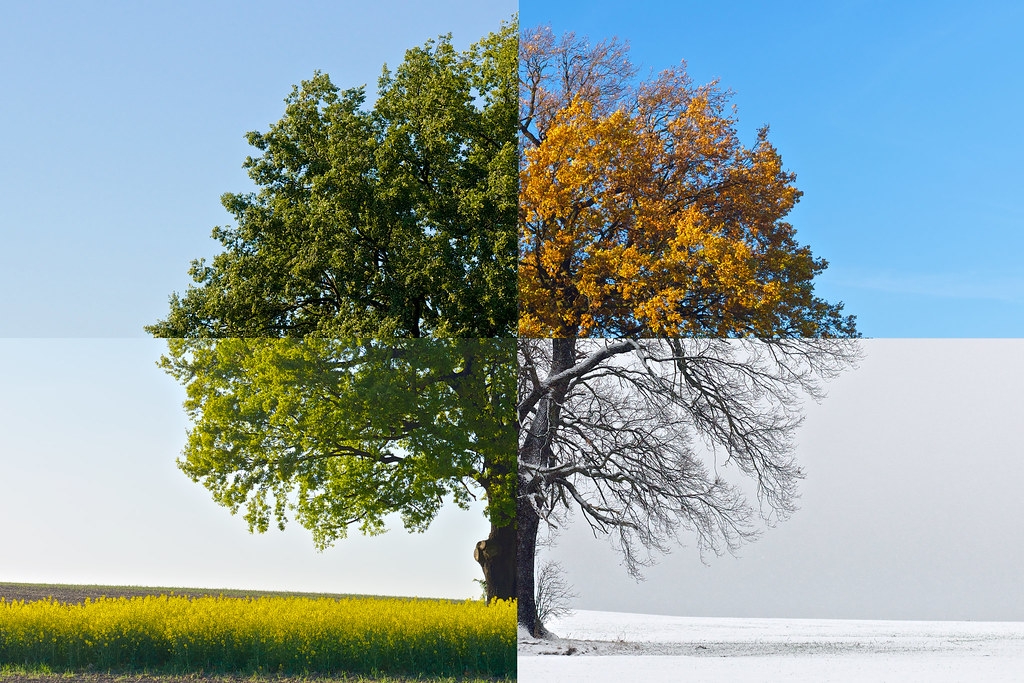
The monsoon season introduces another set of challenges, particularly in countries such as India. Rainfall supports agriculture and helps replenish water resources, but heavy precipitation can also cause waterlogging, traffic disruptions, flooding, and temporary interruptions to outdoor events. Regional rainfall patterns can vary considerably, meaning that conditions in one city may be very different from those in another. Checking local updates is therefore more useful than relying on a general national forecast.
Winter brings cooler temperatures, fog, and reduced visibility in certain areas. These conditions can influence road safety, train operations, flight schedules, and morning outdoor activities. People travelling early in the day should pay attention to visibility reports and transportation advisories. Seasonal awareness allows individuals to understand common environmental challenges before they affect their plans.
Why Regional Information Is More Useful Than General Predictions
A country or state can experience several different atmospheric conditions at the same time. Mountainous areas may receive rainfall while nearby plains remain relatively dry. Coastal locations may experience stronger winds, whereas inland areas may face higher daytime temperatures. Even neighbouring cities can have different rainfall patterns because of local geographical and atmospheric factors.
For this reason, checking forecasts for the exact destination is a better approach than depending on broad regional information. Someone travelling from Jaipur to a hill station, for example, should examine conditions at both the starting point and destination. The route itself may also experience different rainfall, visibility, or temperature conditions.
Using Daily Updates to Avoid Unexpected Disruptions
One of the most practical habits for outdoor planning is checking forecasts more than once. An update viewed several days before an event provides an initial understanding of possible conditions, but it should not be treated as a final guarantee. As the event approaches, newer observations may improve the prediction or reveal changing atmospheric patterns.
For important activities, checking information the evening before and again on the morning of departure can be particularly useful. This gives people an opportunity to make last-minute adjustments, prepare suitable equipment, or change their travel schedule. If severe rainfall or thunderstorms are expected, postponing an activity may be safer than attempting to continue with the original plan.
Useful information to review before leaving includes:
- Expected temperature and feels-like conditions throughout the day.
- Rainfall probability and the approximate timing of showers.
- Wind speed, particularly for activities in open areas.
- Official alerts relating to thunderstorms, heatwaves, flooding, or other hazards.
- Local transport and road-condition updates when travelling.
These checks can become part of a simple daily routine. They are especially helpful for parents, students, travellers, outdoor workers, event organizers, and anyone whose schedule depends on environmental conditions.
The Importance of Forecast Accuracy and Limitations
Although modern forecasting systems are increasingly advanced, predictions are not perfect. The atmosphere is constantly changing, and even small variations in temperature, pressure, moisture, and wind can influence how a weather system develops. Forecast accuracy also depends on the geographical area, available observations, and the amount of time between the prediction and the actual event.
Short-term forecasts generally provide more useful guidance for immediate planning than predictions covering several weeks. Longer-range outlooks are better understood as estimates of broader trends rather than exact descriptions of what will happen on a particular afternoon. For instance, a seasonal outlook may indicate a greater possibility of above-average rainfall, but it cannot reliably determine the exact date and location of every shower.
People should also distinguish between the probability of rainfall and the expected amount of rainfall. A high probability does not automatically mean that heavy rain will occur throughout the day. Similarly, a low probability does not mean rainfall is completely impossible. Understanding these differences prevents unnecessary confusion and encourages more realistic planning.
Reliable forecasting services should present information clearly, identify the forecast period, and update warnings when new observations become available. When conditions involve possible danger, people should prioritize official meteorological advisories and local emergency instructions instead of depending entirely on general mobile notifications.
Practical Ways to Stay Safe During Changing Conditions
Preparation becomes particularly important when outdoor plans involve children, older adults, or people who may be more affected by extreme temperatures. During hot conditions, carrying sufficient drinking water, wearing breathable clothing, and taking breaks can help reduce heat-related discomfort. People should avoid unnecessary physical exertion during the hottest part of the day, especially when official heat warnings are active.
Rain and thunderstorms require a different approach. Strong lightning activity can make open spaces, isolated trees, and exposed locations dangerous. If thunder is heard, people should move into a substantial enclosed building or a fully enclosed vehicle and follow local safety guidance. Outdoor sports and recreational activities should be suspended when lightning risks are present. During heavy rainfall, travellers should avoid flooded roads and never attempt to cross fast-moving water.
Strong winds, dense fog, and sudden temperature changes can also create difficulties. Drivers should reduce speed when visibility becomes poor, maintain safe distances, and follow road authorities’ instructions. Event organizers should secure temporary structures, tents, and lightweight decorations before strong winds arrive.
A few sensible precautions can make outdoor experiences more manageable. The most important point is to remain flexible. Enjoying an activity should never become more important than responding to a serious safety warning.
How Businesses and Event Organizers Benefit from Forecast Information
Forecasting is not useful only for individual travellers and families. Businesses and event organizers also depend on environmental information when making operational decisions. Outdoor wedding planners, tourism companies, construction managers, sports organizers, and agricultural businesses often need to consider changing conditions before confirming schedules or allocating resources.
For example, an event organizer may arrange temporary shelters when rainfall is possible or move an outdoor function to an alternative venue if severe conditions are predicted. Construction companies may adjust work schedules during extreme heat or strong winds to protect employees and maintain safe working conditions. Tourism operators can use local forecasts to provide customers with more realistic travel recommendations.
Agricultural businesses also depend on rainfall predictions, temperature patterns, and seasonal outlooks when making decisions about irrigation, harvesting, and crop management. Although forecasts cannot eliminate every uncertainty, they provide useful information for reducing operational risks.
Digital monitoring has also improved communication between organizations and customers. Businesses can share schedule changes, issue timely notifications, and provide alternative arrangements when conditions become unsuitable. This creates a more organized experience for everyone involved.
Building a Simple Daily Forecast-Checking Routine
Staying informed does not require spending a large amount of time studying atmospheric reports. A simple routine can provide enough information for most everyday activities. Begin by checking the local forecast in the morning to understand expected temperature, rainfall, and general conditions. If you have an important outdoor activity planned, review hourly predictions to identify the most suitable time.
Before travelling, check the conditions at your destination rather than relying only on information for your current location. For longer journeys, review conditions along the route and pay attention to official transport advisories. If severe-weather notifications are issued, reassess your plans and follow the recommended precautions.
It is also useful to avoid depending on a single prediction for an extended period. Comparing updated information from reliable meteorological services can help identify whether conditions are becoming more or less favourable. However, when official warnings are issued, those warnings should take priority over informal predictions or unverified social media posts.
Developing this habit can gradually make planning easier. Instead of reacting to unexpected conditions at the last moment, people can prepare in advance and make decisions with greater confidence.
Conclusion
Outdoor activities provide opportunities to relax, explore new places, spend time with family, and maintain an active lifestyle. However, changing atmospheric conditions can influence the comfort and safety of these experiences. Understanding forecasts, monitoring local updates, and recognizing seasonal patterns help individuals make more informed decisions before leaving home.
Modern forecasting technology has made important information more accessible through mobile applications, digital platforms, radar observations, and official announcements. By paying attention to temperature, humidity, rainfall probability, wind speed, and severe-condition alerts, people can prepare suitable clothing, adjust schedules, and choose safer alternatives when necessary. It is equally important to understand that predictions have limitations and that conditions can change unexpectedly.
Ultimately, staying prepared is about developing awareness rather than trying to predict every atmospheric change perfectly. Making daily checks a regular habit, following official safety guidance, and keeping outdoor plans flexible can help individuals avoid unnecessary disruptions. With informed decisions and practical preparation, people can enjoy their activities more comfortably while responding responsibly to changing environmental conditions.