



Knowing the today weather can make everyday decisions easier, from choosing suitable clothing to planning a commute, outdoor activity, trip, or family outing. A weather forecast provides more than a simple statement about whether the day will be sunny or rainy. It can include temperature, precipitation probability, humidity, wind speed, cloud cover, visibility, and warnings about potentially disruptive conditions.
Weather can also change throughout the day. A morning may begin with clear skies and comfortable temperatures before becoming warmer or developing clouds and showers later. For this reason, checking a forecast at an appropriate time and understanding what its different elements mean can be more useful than relying on a single general description.
A good weather check should answer practical questions: What will conditions be like when I leave home? Will rain affect my plans? How hot or cold will it feel? Could strong winds create difficulties? Understanding these details helps people make informed decisions without unnecessarily changing their entire schedule.
What a Daily Weather Forecast Actually Tells You
A daily forecast combines several measurements and predictions to describe expected atmospheric conditions. Temperature is usually the first detail people notice, but it is only one part of the picture.
The forecast high indicates the approximate warmest temperature expected during the day, while the low represents the expected coolest period, usually occurring overnight or around early morning. These values can help with clothing choices and general comfort.
Precipitation information is equally important. A forecast may show a percentage representing the probability of measurable precipitation. This should not automatically be interpreted as the percentage of an area that will receive rain. Instead, it generally communicates the likelihood of precipitation occurring at a particular location during the specified period.
Other useful indicators include:
- Humidity: Helps explain how warm or cool conditions may feel.
- Wind: Provides information about speed and direction, which can influence comfort and travel.
- Cloud cover: Indicates how much of the sky may be covered by clouds.
- Visibility: Particularly useful for drivers, cyclists, and travelers.
- UV information: Helps people understand the strength of ultraviolet radiation during daylight hours.
Looking at these elements together gives a much more realistic picture of the day.
Why Temperature Alone Does Not Describe Comfort
People sometimes assume that temperature tells them exactly how the weather will feel. In reality, perceived comfort can be affected by several atmospheric factors.
Humidity is one major influence. When humidity is high, sweat evaporates more slowly, making warm conditions feel uncomfortable. During colder periods, wind can make outdoor conditions feel significantly chillier than the actual air temperature.
This is why weather services may provide a “feels like” temperature. It is an estimate that considers factors such as wind or humidity depending on the conditions. The value is particularly useful when deciding how long to remain outdoors or what type of clothing may be appropriate.
For example, two days with the same measured temperature can feel noticeably different if one is humid and calm while the other is dry and windy. A person planning outdoor exercise should therefore consider the overall conditions rather than focusing only on the temperature number.
How Rain Forecasts Should Be Interpreted
Rain predictions are among the most frequently misunderstood parts of a forecast. A precipitation percentage does not necessarily mean that rain will continue for the same percentage of the day.
Instead, the probability generally represents the likelihood of precipitation occurring within a defined forecast period and location. The expected amount and timing of precipitation are separate considerations.
Someone planning a short commute may therefore want to check the hourly forecast rather than relying exclusively on the daily rain percentage. A forecast showing a high chance of showers during the exact time of travel is more immediately useful than a general daily prediction.
For outdoor plans, it is also helpful to look for descriptions such as isolated showers, scattered thunderstorms, continuous rain, or heavy precipitation. These terms provide additional context about how widespread or persistent precipitation may be.
Using Hourly Forecasts More Effectively
A daily summary is useful for getting an overall impression, but hourly information can provide greater precision when timing matters. The today weather forecast may look generally pleasant while individual hours show important changes in temperature, rain, or wind.
Hourly forecasts are especially useful for:
- Planning commutes and errands.
- Scheduling outdoor sports or exercise.
- Deciding when to travel.
- Organizing events and gatherings.
- Choosing the best time for photography or sightseeing.
Suppose someone has an outdoor appointment in the afternoon. The morning forecast may show clear conditions, but an hourly view could reveal increasing cloud cover and thunderstorms later in the day. That information allows the person to adjust the schedule before leaving home.
Forecast timing is not guaranteed, however. Atmospheric conditions can evolve faster than expected, particularly during thunderstorms or rapidly changing weather systems.
Weather Information for Commuters and Travelers
Weather has a direct effect on transportation. Before beginning a journey, checking the today weather can help identify conditions that may affect driving, walking, cycling, or public transportation.
Heavy rain can reduce visibility and create slippery roads. Strong winds can be uncomfortable for pedestrians and challenging for cyclists, while fog may reduce visibility for motorists. Extreme heat can also make long journeys more tiring, particularly when people have limited access to shade or cooling.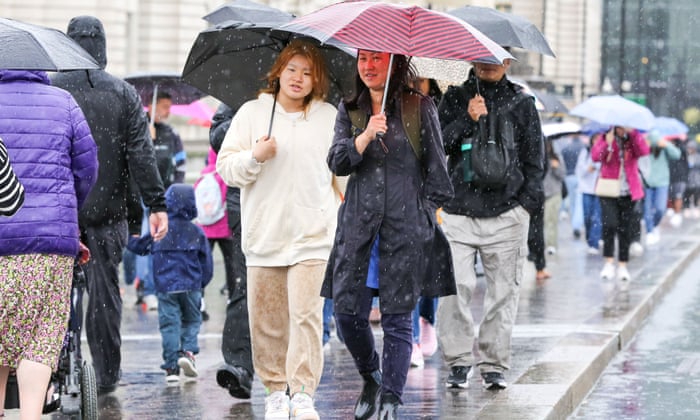
Travelers should pay attention to official weather alerts when severe conditions are possible. A normal daily forecast may not fully communicate the seriousness of an approaching storm, heat event, flood risk, or other hazardous situation.
For longer journeys, checking conditions at the destination is also important. Weather can vary significantly between nearby regions, especially in areas affected by mountains, coastlines, elevation changes, or large urban environments.
A Simple Way to Compare Important Weather Details
The following table can help organize the most useful information when reviewing a forecast:
| Weather Factor | What It Tells You | Why It Matters |
|---|---|---|
| Temperature | Expected air warmth or cold | Helps with clothing and comfort |
| Feels-like temperature | Estimated perceived conditions | Useful for outdoor activities |
| Rain probability | Likelihood of precipitation | Helps with scheduling |
| Wind speed | Expected movement of air | Important for travel and outdoor plans |
| Humidity | Amount of moisture in the air | Influences perceived warmth |
| Cloud cover | Expected sky conditions | Useful for outdoor planning |
| Visibility | How clearly objects can be seen | Important for transportation |
| UV level | Strength of ultraviolet radiation | Helps with sun protection |
Rather than concentrating on one number, comparing these factors creates a more complete understanding of expected conditions.
How Local Conditions Can Differ From an App Forecast
Weather forecasts are produced using observations, atmospheric models, satellite information, radar, and other data. Even sophisticated forecasting systems cannot predict every local variation perfectly.
A neighborhood near a large body of water, elevated terrain, or dense urban development may experience slightly different conditions from a nearby location. Local rainfall can also be highly variable during thunderstorms. One area may receive heavy rain while another nearby area remains relatively dry.
This is one reason people may occasionally feel that the today weather forecast was inaccurate. A forecast describes expected conditions for a defined location and period, but weather itself is continuously changing.
For important plans, checking the forecast again closer to the event can provide a more useful picture than relying on information viewed many hours earlier.
Choosing the Right Forecast for Your Activity
Different activities require different levels of weather information. Someone simply deciding what to wear may only need the expected temperature and rain outlook. A cyclist, traveler, construction worker, photographer, or event organizer may need more detailed information.
For example, a morning walk may be comfortable under mild temperatures but less enjoyable if strong winds develop. A road trip may require closer attention to visibility and precipitation. Outdoor sports may require information about heat, thunderstorms, wind, and air conditions.
The best approach is to match the forecast detail to the decision being made. There is little benefit in analyzing every weather metric for a short trip to a nearby shop, but more detailed planning is sensible for activities that involve several hours outdoors.
Building a Practical Daily Weather Routine
A simple routine can make forecast information easier to use. First, check the today weather conditions before starting the day. Next, review the hourly forecast if you have outdoor plans. Finally, look for official alerts if severe conditions are possible.
It is also useful to check the forecast again before leaving for an important appointment. Conditions can change, and newer forecast information may provide better guidance.
A practical routine can include:
- Checking temperature and feels-like conditions.
- Reviewing rain and thunderstorm timing.
- Looking at wind speed when traveling.
- Checking visibility during fog-prone periods.
- Paying attention to severe weather alerts.
- Reviewing destination conditions before longer journeys.
This approach keeps weather information focused on real decisions rather than turning forecasting into unnecessary guesswork.
Weather Forecasts and Outdoor Health
Weather conditions can influence physical comfort and safety. Hot conditions may increase the need for hydration, shade, and rest, while very cold conditions may require additional layers and shorter periods outdoors.
During periods of strong sunlight, UV information can help people make sensible decisions about sun protection. When thunderstorms or other severe conditions are forecast, postponing exposed outdoor activities may be appropriate.
The today weather forecast should therefore be viewed as a planning tool rather than simply a piece of information to check out of curiosity. Understanding conditions can help people prepare appropriately and recognize when plans may need adjustment.
Conclusion
Understanding today weather involves much more than checking whether the sky will be sunny or cloudy. Temperature, precipitation, humidity, wind, cloud cover, visibility, UV conditions, and weather alerts all contribute to a useful forecast.
The most effective approach is to focus on the information relevant to your plans. Daily summaries provide a broad overview, while hourly forecasts are valuable when timing matters. For travel or outdoor activities, checking conditions again closer to departure can provide additional confidence. Weather forecasts will never be perfectly certain because atmospheric conditions are constantly changing. However, learning how to interpret forecast information makes it easier to prepare, adapt schedules, and make sensible everyday decisions. With a consistent approach, the today weather forecast becomes a practical resource for managing daily activities safely and comfortably.