

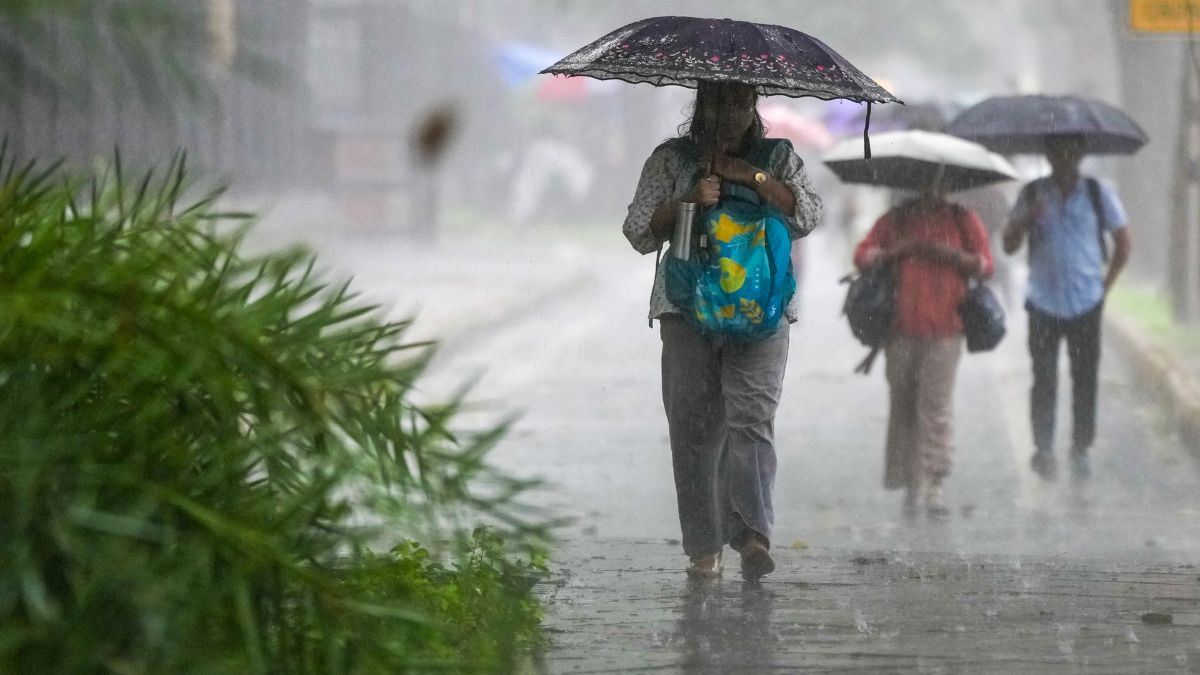
.jpg&description=Understand weather forecasts, temperature, rainfall, humidity, and wind to plan your daily activities with confidence.)
Introduction
Weather affects nearly every part of daily life, from choosing what to wear to planning travel, outdoor activities, farming, and work. Knowing the weather helps people prepare for sunshine, rain, strong winds, temperature changes, and other atmospheric conditions. A reliable weather forecast provides useful information about what may happen in a particular place over a specific period, allowing individuals and communities to make informed decisions.
Weather describes the condition of the atmosphere at a given time and location. It includes temperature, humidity, precipitation, wind, cloud cover, and atmospheric pressure. These conditions can change within hours, making regular updates valuable for everyday planning. Understanding weather reports also helps people recognize potential hazards and respond appropriately to changing environmental conditions.
What Is Weather and Why Does It Matter?
Weather refers to the short-term state of the atmosphere, including conditions such as sunshine, clouds, rainfall, storms, and temperature. It can vary significantly between nearby locations because of differences in elevation, geography, wind patterns, and local atmospheric conditions. A sunny morning may turn cloudy by afternoon, while one neighborhood experiences rainfall and another remains dry.
Weather matters because it influences transportation, health, agriculture, energy use, tourism, and business operations. Farmers use forecasts to plan irrigation and fieldwork, while commuters check rainfall predictions before leaving home. Construction teams may adjust outdoor schedules when strong winds or thunderstorms are expected. Families also rely on weather information when organizing school activities, celebrations, and weekend trips.
Understanding local weather conditions makes planning easier and can reduce unnecessary inconvenience. More importantly, timely warnings help people prepare for potentially dangerous conditions, including flooding, lightning, heatwaves, and severe storms.
How Weather Forecasts Work
Weather forecasting combines observations, scientific measurements, computer models, and meteorological expertise. Weather stations measure temperature, humidity, air pressure, rainfall, and wind near the Earth’s surface. Satellites observe cloud systems and atmospheric patterns from space, while radar systems help meteorologists monitor precipitation and certain types of storms.
Scientists use these observations to understand current atmospheric conditions. Computer models then calculate how air masses, moisture, temperature, and pressure systems may develop. Forecasters interpret the results and communicate expected conditions through weather reports, maps, mobile applications, television, and official alerts.
Forecasts are estimates rather than guarantees. Predictions generally become less certain as the forecast period extends because small differences in atmospheric measurements can influence later outcomes. A forecast for the next few hours may provide useful detail, whereas a prediction several days ahead is better understood as guidance for preparation.
For practical decisions, check updated forecasts and compare them with official weather warnings when necessary.
Important Elements of a Weather Report
Temperature indicates how hot or cold the air is, usually measured in degrees Celsius or Fahrenheit. It helps people choose appropriate clothing, plan exercise, and prepare for extreme heat or cold. However, the temperature alone does not always describe how conditions feel outdoors.
Humidity measures the amount of water vapor in the air. High humidity can make warm weather feel more uncomfortable because sweat evaporates less efficiently. Low humidity may contribute to dry skin and increased moisture loss.
Precipitation includes rain, snow, sleet, and hail. Forecasts may describe the probability, timing, or expected amount of precipitation. These details help people decide whether to carry an umbrella, protect belongings, or postpone outdoor activities.
Wind describes the movement of air and is commonly reported through speed and direction. Strong winds can affect driving, aviation, outdoor work, and power infrastructure. Atmospheric pressure and cloud cover provide additional clues about changing weather systems and possible rainfall.
Understanding Weather Forecast Symbols and Terms
Weather applications often use symbols to communicate conditions quickly. A sun symbol usually represents clear or mostly sunny skies, while clouds indicate cloudy conditions. A cloud with raindrops suggests precipitation, and lightning symbols indicate thunderstorms. Snowflake symbols commonly represent snow or wintry conditions.
Forecast terms also require attention. A chance of rain means precipitation is possible, but the exact interpretation depends on the forecasting service and location. Scattered showers suggest rainfall may occur in separate areas rather than continuously everywhere. Overcast conditions mean the sky is largely covered by clouds.
The term feels like, or feels-like temperature, accounts for factors such as wind and humidity that affect how people experience outdoor conditions. A heat index describes how hot conditions may feel when humidity is considered, while wind chill describes how cold exposed skin may feel under certain cold and windy conditions.
Weather Changes Across Different Seasons
Seasonal weather changes influence temperatures, rainfall, daylight, and everyday routines. The exact pattern depends on geographical location, elevation, distance from the sea, and regional climate. Understanding seasonal differences helps people prepare for changing environmental conditions throughout the year.
In many parts of India, the year includes summer, monsoon, post-monsoon, and winter conditions. Summer can bring high temperatures and increased heat exposure. The monsoon season brings substantial rainfall to many regions, supporting agriculture and replenishing water resources. However, intense rain can also cause waterlogging, flooding, and travel disruptions. Winter generally brings cooler conditions, although temperatures vary considerably between northern, southern, coastal, and mountainous areas.
Seasonal forecasts provide useful preparation guidance, but local conditions may differ from typical patterns. Checking current weather information remains important even when the season seems predictable.
How Geography Influences Local Weather
Geography plays an important role in determining local weather conditions. Coastal areas often experience different temperature patterns from inland regions because large bodies of water heat and cool more slowly than land. Sea breezes can also influence afternoon temperatures near coastlines.
Mountains affect wind movement and rainfall distribution. Moist air rising over mountain slopes can cool and produce precipitation, while areas on the opposite side may receive less rainfall. Elevation also influences temperature, which explains why mountain destinations can be cooler than nearby lowland cities.
Cities may experience warmer conditions than surrounding rural areas because buildings, roads, and other surfaces absorb and retain heat. This effect is commonly associated with urban heat islands. Trees, shaded streets, and green spaces can help reduce local heat exposure.
These geographical differences explain why checking a location-specific forecast is more useful than relying on a general regional prediction.
Using Weather Information for Everyday Decisions
Weather information becomes especially valuable when connected to practical decisions. Before leaving home, people can check temperature, rainfall probability, wind speed, and any severe weather alerts. This simple habit helps them choose suitable clothing, carry necessary items, and adjust travel plans.
For outdoor exercise, cooler hours may be preferable during hot weather. When thunderstorms are forecast, moving activities indoors can reduce exposure to lightning. Travelers can check conditions along their route, particularly when driving through mountainous areas or locations vulnerable to flooding.
Weather also affects household routines. Rainfall predictions can help people decide when to dry clothes outdoors, water plants, or arrange deliveries. Businesses may use forecasts to schedule outdoor work, manage transport, and protect equipment.
The most useful approach is to combine the forecast with the activity being planned. A small temperature change may not matter for a short indoor visit, but strong winds or extreme heat can significantly affect outdoor work.
Weather Safety During Extreme Conditions
Extreme weather can create serious risks, so official warnings should always be taken seriously. During heatwaves, drink water regularly, seek shade, wear lightweight clothing, and limit strenuous outdoor activity during the hottest hours. Children, older adults, and people who work outdoors may need additional precautions.
During heavy rainfall, avoid walking or driving through floodwater. Water depth and road conditions can be difficult to judge, and moving water may be dangerous. Follow local authorities’ instructions when flooding threatens homes or transport routes.
Thunderstorms require particular caution. Move indoors when thunder is heard, avoid exposed locations, and stay away from isolated trees and open fields. Strong winds can bring down branches or damage unsecured objects, so outdoor furniture and loose items should be secured before severe conditions arrive.
Cold weather also requires preparation. Appropriate clothing, safe heating practices, and awareness of local warnings can help reduce exposure-related risks. Weather alerts should guide decisions, but people should not wait for an alert if conditions already appear dangerous.
Weather Forecasts and Climate: Understanding the Difference
Weather and climate are related, but they describe different things. Weather refers to atmospheric conditions over short periods, while climate describes long-term patterns observed across many years. Today’s temperature, tomorrow’s rainfall, and this afternoon’s wind are examples of weather information.
Climate helps explain the conditions a region typically experiences, including average temperatures, seasonal rainfall, and recurring weather patterns. It can help people understand why deserts are generally dry or why certain regions experience regular monsoon rainfall.
A single unusually hot or cold day does not, by itself, establish a long-term climate trend. Climate assessments examine observations over extended periods rather than isolated events. Similarly, knowing a region’s typical climate does not guarantee what the weather will be on a particular day.
Both types of information are useful. Weather forecasts support immediate decisions, while climate information helps communities plan agriculture, infrastructure, water management, and long-term environmental strategies.
Choosing Reliable Weather Information
Weather information is available through mobile applications, websites, television broadcasts, and official meteorological services. When selecting a source, consider whether it provides location-specific forecasts, regular updates, clear units, and relevant warnings.
For users in India, the India Meteorological Department is an important source of official forecasts and weather alerts. Local government notifications can provide additional guidance during severe conditions. Checking the timestamp of a forecast is also essential because atmospheric conditions may change after an earlier report is published.
Different forecasting services sometimes show different predictions. This does not automatically mean one source is incorrect. Forecast models may use different methods, update schedules, or interpretations of uncertain atmospheric conditions. When important decisions are involved, compare current information with official warnings rather than relying on one isolated prediction.
| Weather element | What it tells you | Practical use |
|---|---|---|
| Temperature | How hot or cold the air is | Choosing clothing |
| Humidity | Moisture present in the air | Understanding comfort |
| Precipitation | Possibility or amount of rain | Planning outdoor activities |
| Wind speed | Strength of moving air | Assessing travel conditions |
| Cloud cover | How much of the sky is cloudy | Understanding sky conditions |
| Weather alerts | Potentially hazardous conditions | Taking safety precautions |
Conclusion
Weather is an important part of everyday life, influencing travel, health, agriculture, business, and outdoor activities. Understanding temperature, humidity, rainfall, wind, and forecast terminology makes weather reports easier to interpret and apply. Reliable forecasts help people prepare for changing conditions, while official alerts provide important guidance during potentially dangerous events.
Developing a habit of checking local weather updates can make daily planning more effective and reduce avoidable risks. By understanding the difference between weather and climate, choosing dependable information sources, and responding sensibly to changing conditions, individuals can make more informed decisions throughout the year.