



Weather describes the short-term condition of the atmosphere at a particular place and time. Temperature, rainfall, humidity, wind speed, cloud cover, air pressure, and visibility are some of the main elements used to describe current atmospheric conditions. Understanding these factors can make everyday planning easier, whether you are commuting to work, arranging outdoor activities, preparing for travel, or monitoring changing conditions in your area.
Unlike climate, which examines atmospheric patterns over much longer periods, weather can change within minutes or hours. A clear morning can turn cloudy by afternoon, while a calm day may develop strong winds or thunderstorms later. Modern forecasting technology helps people monitor these changes and make better-informed decisions.
What Is Weather and Why Does It Change?
Weather refers to the state of the atmosphere over a relatively short period. It is influenced by the movement of air masses, solar heating, moisture, atmospheric pressure, terrain, and interactions between different parts of the atmosphere.
The Sun provides most of the energy that drives atmospheric processes. Because different surfaces absorb and release heat at different rates, air temperatures vary from one location to another. Warm air can rise, cooler air can move in, and differences in pressure can create wind.
Moisture is another major factor. When warm, moist air rises and cools, water vapor can condense into clouds. Under suitable conditions, these clouds can produce rain, snow, sleet, or hail. This explains why atmospheric conditions can develop and change rapidly.
Key Elements Used to Describe Atmospheric Conditions
Several measurements are combined to provide a useful picture of conditions at a particular location. Temperature is usually the most familiar measurement, but it is only one part of the overall picture.
| Element | What It Measures | Why It Matters |
|---|---|---|
| Temperature | How warm or cold the air is | Helps determine clothing and outdoor comfort |
| Humidity | Amount of moisture in the air | Influences comfort, clouds, and rainfall |
| Wind | Movement of air | Affects travel, cooling, and outdoor activities |
| Pressure | Force exerted by the atmosphere | Helps identify changing atmospheric patterns |
| Precipitation | Rain, snow, sleet, or hail | Important for travel, agriculture, and water resources |
| Cloud cover | Amount of sky covered by clouds | Influences sunlight and temperature |
| Visibility | How far objects can be clearly seen | Important for driving and aviation |
These elements interact rather than operating independently. For example, high humidity combined with rising temperatures can make conditions feel warmer than the measured temperature suggests. Strong winds can also make cool air feel considerably colder.
How Weather Forecasts Are Created
Forecasting begins with observations collected from many sources. Ground-based stations measure temperature, pressure, humidity, wind, and precipitation. Weather balloons gather information higher in the atmosphere, while satellites observe clouds, moisture, storms, and large-scale atmospheric systems.
Radar is particularly useful for tracking precipitation. It can help meteorologists identify areas of rainfall and observe the movement and development of storms. Aircraft and ocean-based instruments can also contribute valuable atmospheric observations.
The collected information is processed using numerical weather prediction models. These computer models use mathematical equations to simulate atmospheric processes and estimate how conditions may develop over time. Meteorologists then interpret model results alongside observations and other information before producing forecasts.
Because the atmosphere is highly complex, forecasts become less certain as the forecast period extends. A forecast for the next few hours can often be more specific than one describing conditions several days ahead.
Why Forecasts Can Change During the Day
Forecast updates do not necessarily mean that earlier information was careless or incorrect. New observations continuously enter forecasting systems, allowing meteorologists and models to refine their understanding of atmospheric conditions.
Small differences in temperature, moisture, wind direction, or pressure can influence how a weather system develops. Local geography can add another layer of complexity. Mountains, coastlines, urban areas, forests, and large bodies of water can all affect atmospheric behavior.
For example, two towns located relatively close to one another may experience different rainfall totals because a storm moves across one area while missing another. Similarly, temperatures can vary between an urban center and a nearby rural location because buildings, roads, vegetation, and surface materials absorb and release heat differently.
Understanding Temperature, Feels-Like Conditions, and Humidity
A thermometer measures air temperature, but it does not always describe how conditions feel to people. Humidity and wind can significantly influence perceived comfort.
When humidity is high, sweat evaporates more slowly from the skin. This can make warm conditions feel more uncomfortable. During colder periods, wind can increase the rate at which exposed skin loses heat, making the air feel colder than the measured temperature.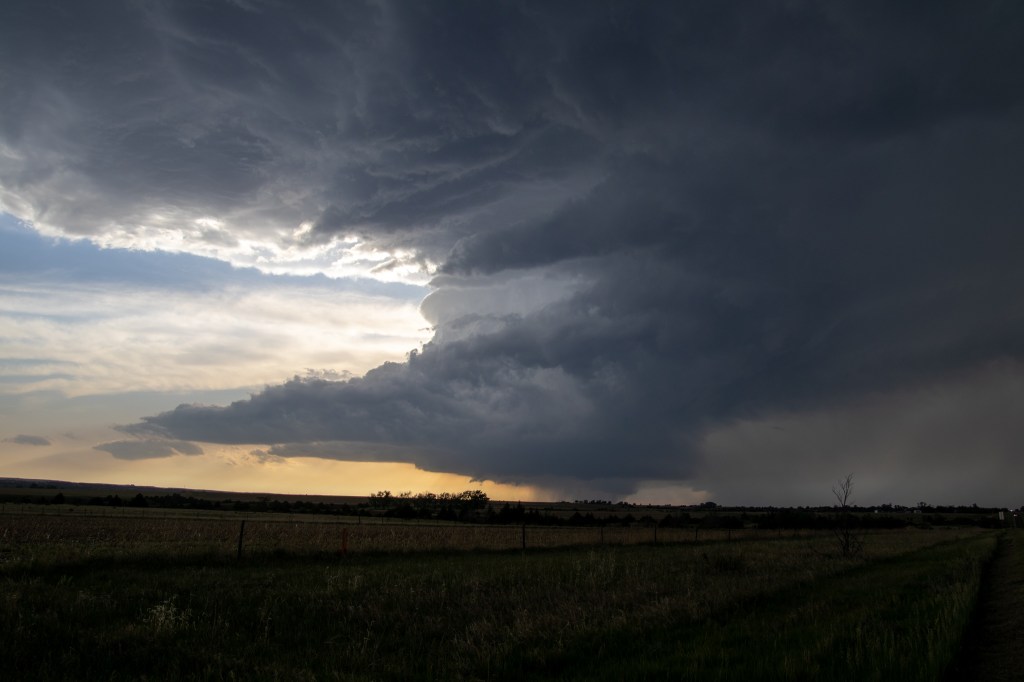
The “feels-like” value presented in many forecasts is therefore different from the actual air temperature. It combines temperature with other atmospheric factors to provide an estimate of how conditions may be experienced by people.
Rain, Storms, and Severe Conditions
Precipitation can occur in several forms, depending on temperature and atmospheric structure. Rain is the most common form, while colder environments may produce snow or sleet. Hail can develop within strong thunderstorms when powerful updrafts carry water droplets upward into very cold parts of a cloud.
Severe conditions may include thunderstorms, strong winds, intense rainfall, flooding, hail, or other hazardous events. Forecast systems and official alerts are especially important when atmospheric conditions can create risks to people, transportation, property, or infrastructure.
When severe weather warnings are issued, people should pay attention to official instructions rather than relying only on general forecast apps. Conditions can change quickly during thunderstorms or other rapidly developing events.
How to Read a Daily Forecast
A forecast becomes more useful when its individual components are understood together. Instead of looking only at the high temperature, consider precipitation probability, wind, humidity, cloud cover, and any active alerts.
For daily planning, these points can help:
- Check the forecast close to the time you need to make a decision.
- Look at hourly conditions when planning outdoor activities.
- Pay attention to precipitation timing rather than only the daily percentage.
- Check wind speed when traveling, cycling, boating, or working outdoors.
- Review official warnings during potentially hazardous conditions.
For example, a day with a comfortable temperature may still be unsuitable for an outdoor event if thunderstorms are expected during the scheduled hours. Likewise, a cool but dry day with light winds may feel very different from a similarly cool day with strong gusts.
Weather and Everyday Travel
Transportation is strongly connected to atmospheric conditions. Heavy rain can reduce visibility and increase the risk of slippery roads. Fog can make driving more difficult, while strong winds can affect high-profile vehicles, bridges, and aviation operations.
Air travel can also be affected by thunderstorms, low visibility, icing conditions, turbulence, and strong winds. Airlines and airports use specialized forecasts and observations to manage operations and passenger safety.
For road trips, checking conditions along the entire route can be more useful than examining only the departure and destination cities. A long journey may pass through areas experiencing very different temperatures, rainfall, or wind patterns.
Weather and Agriculture
Farmers depend heavily on atmospheric conditions when planning planting, irrigation, harvesting, and other activities. Temperature affects crop development, while rainfall influences soil moisture and water availability.
Extended periods of unusually dry conditions can create agricultural challenges, whereas excessive rainfall may contribute to waterlogging, erosion, or crop damage. Frost can also affect sensitive plants when temperatures fall near or below freezing.
Forecast information can therefore support agricultural planning, although local observations and longer-term climate information are also important for farming decisions.
Weather Versus Climate
Weather and climate are closely related but describe different timescales. Weather concerns short-term atmospheric conditions, while climate describes typical patterns and variations over much longer periods.
For instance, asking whether it will rain tomorrow is a weather question. Asking whether a region generally experiences a wet or dry season is a climate question.
Climate information can help explain why certain conditions are common in a particular region, while short-term forecasts focus on what atmospheric conditions are expected in the near future. Keeping the distinction clear prevents confusion when interpreting environmental information.
Using Forecast Information More Effectively
Reliable forecasting is most useful when it is treated as changing information rather than a permanent guarantee. Checking updated observations can be especially valuable when conditions are unstable.
For routine planning, a general forecast may be sufficient. For travel, outdoor work, events, or potentially hazardous situations, more detailed hourly information and official warnings can provide additional context.
It is also useful to compare the forecast with actual conditions. Over time, this helps people understand how temperature, clouds, wind, humidity, and rainfall interact in their local area.
Conclusion
Weather affects nearly every part of daily life, from transportation and outdoor activities to agriculture and emergency planning. Understanding temperature, humidity, precipitation, wind, pressure, and cloud cover makes forecasts easier to interpret and helps people respond to changing atmospheric conditions.
Forecasting technology continues to combine observations, satellites, radar, computer models, and meteorological expertise to provide increasingly detailed information. Even so, atmospheric conditions remain dynamic, so checking updated forecasts and official alerts is an important part of making practical decisions. A basic understanding of how forecasts work allows people to use that information more effectively and prepare for changing conditions.