



Introduction
Weather is an important part of everyday life because it influences how people travel, work, study, grow food, and plan outdoor activities. From a sunny morning to an unexpected evening shower, atmospheric conditions can change throughout the day. These changes affect individuals, businesses, agriculture, transportation, and the natural environment. Understanding different atmospheric conditions helps people make better decisions and prepare for situations that may affect their daily routines.
In the modern world, understanding weather has become even more important because environmental conditions are becoming increasingly challenging in many regions. Rising temperatures, irregular rainfall, intense storms, heatwaves, and changing seasonal patterns have increased the need for accurate forecasting. People now depend on daily updates through television, mobile applications, digital platforms, and official meteorological services to understand what conditions they can expect. These updates help communities remain informed and reduce the risks associated with sudden atmospheric changes.
Knowing how atmospheric conditions develop also makes it easier to understand the relationship between nature and human activities. Temperature, humidity, air pressure, wind speed, and precipitation work together to influence local conditions. By learning about these elements, individuals can understand forecasts more effectively and recognize why environmental conditions sometimes change unexpectedly.
What Is Weather and Why Does It Matter?
Weather refers to the condition of the atmosphere at a particular place and time. It includes different elements such as temperature, rainfall, humidity, cloud cover, wind direction, and atmospheric pressure. These elements determine whether a particular day feels hot, cold, humid, dry, windy, or rainy. Unlike climate, which describes long-term atmospheric patterns over several decades, daily atmospheric conditions can change within hours or even minutes.
Its importance can be seen in almost every part of human life. Farmers depend on rainfall and temperature information to decide when to sow seeds, irrigate fields, and harvest crops. Travelers check forecasts before planning journeys, while airlines and transportation services monitor atmospheric conditions to maintain safety. Similarly, construction companies, outdoor event organizers, and emergency management authorities use forecasts to plan their activities. Reliable information allows people to prepare in advance instead of reacting only after conditions become difficult.
Major Elements That Influence Atmospheric Conditions
Several atmospheric elements work together to determine the conditions experienced in a particular location. Although these elements are closely connected, each one has a different role in creating daily environmental patterns.
Temperature and Its Daily Changes
Temperature measures how hot or cold the air is. It is influenced by sunlight, geographical location, altitude, cloud cover, and the time of day. During daylight hours, the Earth’s surface absorbs solar energy and gradually warms the surrounding air. After sunset, the surface loses heat, which generally causes temperatures to decrease.
Seasonal temperature differences also affect daily life. Summer months often bring higher temperatures and increased demand for water and electricity, while winter conditions can create challenges for transportation, health, and outdoor activities. Sudden temperature changes may also affect agricultural production and the comfort of people who work outdoors. Understanding temperature trends helps individuals select suitable clothing, manage energy consumption, and organize daily schedules.
Humidity and Moisture in the Air
Humidity describes the amount of water vapour present in the atmosphere. High humidity can make warm conditions feel more uncomfortable because sweat evaporates more slowly from the skin. This reduces the body’s natural cooling ability and can increase the risk of heat-related problems during particularly hot periods.
Low humidity, on the other hand, is commonly associated with dry air. It may contribute to dry skin, throat irritation, and increased moisture loss from plants and soil. Humidity also plays an important role in cloud formation, fog development, and rainfall. Meteorologists examine humidity levels along with temperature and air pressure to understand how atmospheric conditions may develop.
Rainfall, Clouds, and Precipitation
Precipitation occurs when water droplets or ice particles in clouds become heavy enough to fall towards the Earth’s surface. Rain is the most familiar form, although precipitation can also include snow, sleet, and hail. The formation of precipitation depends on moisture availability, atmospheric movement, temperature, and cloud development.
Rainfall is particularly important for agriculture and water resources. Regular precipitation supports crop growth, replenishes reservoirs, and helps maintain groundwater supplies. However, excessive rainfall over a short period can cause flooding, soil erosion, and damage to infrastructure. Insufficient rainfall may create drought conditions, affecting farming communities and drinking water availability.
Wind Speed and Direction
Wind develops because air moves from areas of higher atmospheric pressure towards areas of lower pressure. The speed and direction of this movement can influence local temperatures, cloud movement, rainfall distribution, and the development of storms.
Strong winds may affect road transportation, aviation, electricity infrastructure, and outdoor activities. Coastal regions can experience additional risks when powerful winds combine with storm systems. Wind information is therefore an essential part of forecasting, particularly during thunderstorms, cyclones, and other severe atmospheric events.
How Seasons Influence Changing Conditions
Seasons are responsible for many predictable changes in atmospheric conditions throughout the year. The Earth’s tilted axis and its movement around the Sun influence how much solar energy different regions receive. As a result, temperatures, rainfall patterns, daylight hours, and humidity levels vary from one season to another. These seasonal differences are especially noticeable in countries such as India, where summer, monsoon, post-monsoon, and winter periods create different environmental conditions.
Summer Season
Summer is generally associated with higher temperatures, stronger sunlight, and increased demand for water. In many parts of India, particularly northern and northwestern regions, temperatures can rise significantly during the hottest months. Heatwaves may develop when unusually high temperatures continue for several days, creating uncomfortable and potentially dangerous conditions.
During this period, people often adjust their routines by avoiding unnecessary outdoor activities during peak afternoon hours. Farmers may require additional irrigation, while cities experience greater electricity consumption because of cooling equipment. Staying hydrated, wearing lightweight clothing, and following official heat-related advisories are practical ways to manage extreme heat.
Monsoon Season
The monsoon season plays a major role in India’s agricultural and economic activities. Seasonal winds transport moisture from surrounding oceans towards the land, resulting in widespread rainfall across many regions. This rainfall supports farming, replenishes reservoirs, and contributes to groundwater recharge.
However, monsoon conditions are not always uniform. Some regions may receive heavy rainfall within a short period, while others experience below-average precipitation. Flooding, waterlogging, landslides, and transportation disruptions can occur during intense rainfall events. Monitoring local forecasts and rainfall warnings helps communities prepare for these possibilities.
Winter Season
Winter generally brings cooler temperatures, shorter daylight hours, and changing humidity conditions. Northern India can experience cold waves and dense fog, especially during early mornings and nighttime hours. These conditions sometimes reduce visibility on highways, railway routes, and airport runways.
People may need to take additional precautions while travelling during winter. Fog can increase journey times, while colder temperatures may affect vulnerable individuals. Understanding local forecasts helps families, commuters, and businesses make appropriate arrangements.
Understanding Different Weather Conditions
Atmospheric conditions can vary significantly depending on geographical location, elevation, distance from oceans, and seasonal influences. A coastal city may experience humid conditions, while an inland region can remain comparatively dry. Similarly, mountainous areas often experience cooler temperatures than nearby plains because atmospheric temperature generally decreases with increasing altitude.
The following table explains some common atmospheric conditions and their typical characteristics.
|
Condition |
Main Characteristics |
Possible Effects |
|---|---|---|
|
Sunny |
Clear skies and strong sunlight |
Higher daytime temperatures |
|
Cloudy |
Significant cloud coverage |
Reduced direct sunlight |
|
Rainy |
Water droplets falling from clouds |
Wet roads and improved water availability |
|
Foggy |
Tiny water droplets near the ground |
Reduced visibility |
|
Windy |
Faster movement of air |
Changes in temperature and travel conditions |
|
Stormy |
Thunder, lightning, heavy rain, or strong winds |
Possible damage and disruptions |
These conditions can occur separately or together. For example, a cloudy afternoon may develop into a thunderstorm if atmospheric instability and moisture levels become sufficient. Similarly, fog may form during calm, cool conditions when air near the ground becomes saturated with water vapour.
How Modern Technology Improves Forecasting
Forecasting has improved considerably because of developments in scientific research, satellite observation, computer modelling, and communication technology. Meteorological organizations collect information from weather stations, satellites, radar systems, ocean buoys, and other observation networks. These measurements help scientists understand the current state of the atmosphere and estimate how it may change.
Computer models use mathematical calculations to simulate atmospheric processes. They examine factors such as temperature, pressure, humidity, wind patterns, and moisture movement to generate forecasts. Although no prediction is completely accurate, combining different observation methods improves forecasting quality and provides useful information about possible environmental changes.
The Role of Satellites and Radar Systems
Satellites provide a broad view of cloud formations, atmospheric moisture, storm development, and large-scale environmental patterns. They are particularly useful for monitoring cyclones and observing conditions over oceans where ground-based measurements may be limited.
Radar systems provide additional information about precipitation, including its intensity and movement. Meteorologists can use radar observations to monitor approaching thunderstorms and heavy rainfall systems. Together, satellite and radar technology make it easier to identify developing threats and communicate warnings before dangerous conditions reach populated areas.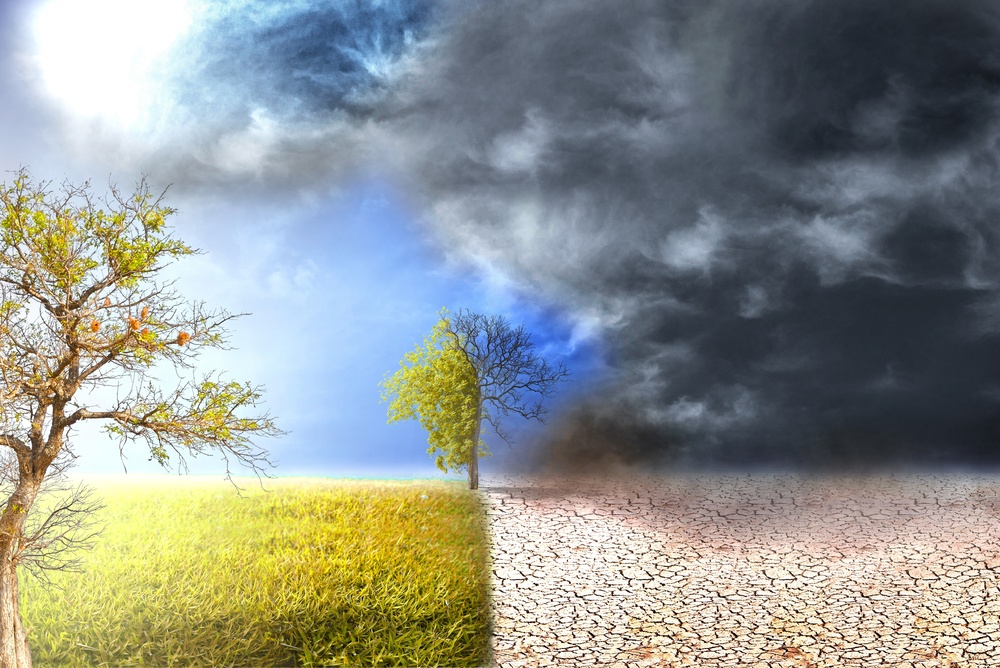
Mobile Applications and Digital Forecasts
Mobile applications have made forecast information easily accessible to ordinary users. People can check hourly conditions, daily temperature ranges, rainfall probabilities, wind information, and severe-weather alerts from their smartphones. Many applications also provide location-based updates, helping users understand conditions in their immediate surroundings.
However, users should remember that different forecasting platforms may display slightly different predictions. This happens because they can rely on different models, data sources, and update schedules. For important decisions, checking official meteorological advisories is a sensible approach.
Why Accurate Forecasts Are Important in the Current Scenario
Accurate weather information has become increasingly valuable because many communities face challenges associated with changing environmental conditions. Unusual rainfall, prolonged heat, severe storms, and seasonal variations can affect infrastructure, agriculture, public health, and local economies. Forecasts help authorities prepare emergency services, issue warnings, and organize resources before potentially dangerous situations develop.
In India, the India Meteorological Department plays an important role in monitoring atmospheric conditions and issuing forecasts and warnings. Its services support agricultural planning, cyclone preparedness, aviation, disaster management, and public awareness. Local forecasts are particularly useful because conditions can vary considerably between neighbouring districts and geographical regions.
Forecasting also helps businesses manage operational risks. Transportation companies can adjust schedules, construction organizations can plan outdoor work, and agricultural businesses can make decisions about irrigation and harvesting. When reliable information reaches people at the right time, it can reduce unnecessary disruption and support better planning.
The Relationship Between Climate Change and Atmospheric Patterns
Climate change is influencing environmental systems across the world. Increasing global temperatures, changing precipitation patterns, melting glaciers, and rising sea levels are among the major concerns studied by scientists. These developments can influence the frequency, duration, and intensity of certain extreme events, although their effects differ across geographical regions.
One important concern is the increasing risk of extreme heat in many parts of the world. Prolonged high temperatures can place pressure on electricity systems, reduce agricultural productivity, and create serious health challenges. Changes in rainfall distribution can also affect freshwater availability and increase the possibility of droughts or flooding in vulnerable areas.
It is important to understand that individual atmospheric events do not automatically prove climate change. Scientists examine long-term records, historical observations, and climate models to identify meaningful patterns. This distinction helps people understand environmental developments without confusing short-term variations with long-term climatic changes.
How to Prepare for Sudden Environmental Changes
Preparation is an important part of personal and community safety. Although forecasting technology provides useful information, individuals should also develop basic habits that help them respond to changing conditions. Checking local updates before travelling, keeping essential supplies available, and following official safety instructions can make everyday activities safer.
Some practical preparation measures include:
-
Check local forecasts before travelling or organizing outdoor activities.
-
Keep drinking water and essential supplies available during extreme conditions.
-
Follow official warnings about storms, flooding, heatwaves, and cold waves.
-
Avoid unnecessary travel during severe conditions whenever possible.
-
Protect electronic devices and important documents during emergencies.
These simple measures can reduce avoidable risks and help households respond more confidently when unexpected conditions develop. Communities can also improve preparedness through awareness campaigns, emergency planning, and access to reliable information.
How Atmospheric Information Supports Different Industries
Environmental information is valuable for more than personal planning. Several industries depend on accurate forecasts to manage operations, reduce financial losses, and protect workers. Agriculture is one of the most important examples because crop production depends heavily on temperature, rainfall, soil moisture, and seasonal conditions. Farmers can use advance information to select suitable planting periods, manage irrigation, and prepare for potentially damaging conditions.
Transportation is another sector where forecasting has considerable importance. Airlines monitor wind patterns, visibility, thunderstorms, and turbulence to support flight safety. Road transportation services consider heavy rainfall, fog, and strong winds when organizing journeys. Shipping companies also examine ocean conditions before planning routes, particularly during periods when storms may develop.
The energy industry benefits from atmospheric information as well. Solar power generation depends on sunlight, while wind energy production is influenced by wind speed and consistency. Electricity providers also consider temperature forecasts when estimating demand for heating and cooling. These examples demonstrate how reliable environmental information supports economic activity and helps organizations make informed operational decisions.
The Importance of Reliable Information Sources
With so many digital platforms providing daily updates, choosing reliable information is essential. Not every online prediction is equally accurate, and some unofficial platforms may display outdated or misleading information. Users should consider the publication time, geographical coverage, forecast period, and source of the information before making important decisions.
Official meteorological organizations generally provide scientifically prepared forecasts and warnings. Their announcements are particularly important during cyclones, heavy rainfall, thunderstorms, and extreme temperature events. Users should also understand the difference between a forecast and a warning. A forecast describes expected conditions, whereas a warning communicates a potentially dangerous situation that may require immediate attention.
Checking updated information rather than relying on a single prediction from several days earlier is another useful habit. Atmospheric systems can develop or change direction, making recent observations especially important when severe conditions are possible.
Conclusion
Understanding atmospheric conditions is essential for making informed decisions in modern life. Temperature, humidity, rainfall, wind, and atmospheric pressure continuously interact to create the conditions experienced in different regions. These elements influence agriculture, transportation, public health, energy production, and everyday activities.
Modern forecasting technology has made environmental information more accessible and useful. Satellites, radar systems, computer models, and mobile applications allow people to understand changing conditions and prepare for potential risks. At the same time, growing environmental challenges highlight the importance of scientific research, responsible planning, and public awareness.
By regularly checking reliable updates, understanding seasonal changes, and following official safety advisories, individuals can become better prepared for unexpected situations. Having basic knowledge about changing atmospheric patterns is not only useful for daily planning but also helps communities build greater awareness and resilience in an increasingly unpredictable environment.