

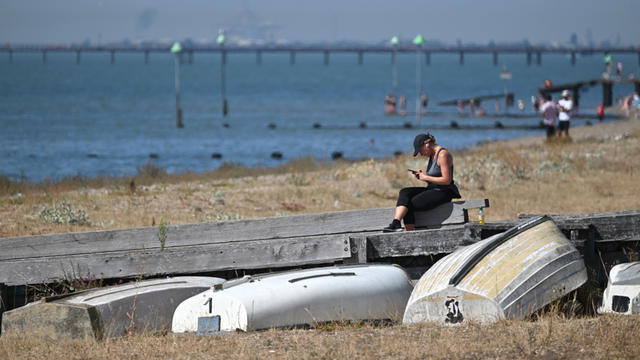

Weather describes the short-term state of the atmosphere at a particular place and time. It includes conditions such as temperature, rainfall, humidity, wind speed, cloud cover, visibility, and atmospheric pressure. These elements can change throughout the day, which is why a clear morning can sometimes become cloudy or rainy within a few hours.
Understanding weather helps people make practical decisions. A traveler may check a forecast before leaving for an airport, while a farmer may monitor rainfall and temperature before planning field activities. Students, commuters, outdoor workers, event organizers, and families can also benefit from reliable atmospheric information.
Unlike climate, which describes long-term patterns over many years, weather focuses on immediate or short-term atmospheric conditions. A region can have a generally hot climate while still experiencing a cool or rainy day. This distinction is important when interpreting forecasts and understanding seasonal changes.
Key Elements That Describe Weather
Several atmospheric measurements work together to explain current conditions. Temperature is one of the most familiar measurements because it indicates how warm or cold the air is. However, temperature alone does not provide a complete picture.
Humidity measures the amount of water vapor present in the air. High humidity can make warm conditions feel more uncomfortable because evaporation of sweat becomes less effective. Wind describes the movement of air and can influence perceived temperature, cloud movement, evaporation, and the spread of storms.
Rainfall and other forms of precipitation are also important. Precipitation can include rain, snow, sleet, or hail depending on atmospheric conditions. Cloud cover affects sunlight and can influence daytime temperatures.
Atmospheric pressure is another useful measurement. Changes in pressure are often associated with changing atmospheric systems. Forecasting services combine these observations with other data to estimate what conditions may develop next.
| Weather Element | What It Indicates | Why It Matters |
|---|---|---|
| Temperature | How warm or cold the air is | Clothing, health, travel, and outdoor planning |
| Humidity | Moisture in the atmosphere | Comfort and heat perception |
| Wind | Speed and direction of moving air | Aviation, marine activity, and outdoor work |
| Precipitation | Rain, snow, hail, or other falling water | Travel, agriculture, and events |
| Cloud Cover | Amount of cloud in the sky | Sunlight and temperature changes |
| Atmospheric Pressure | Weight of air over an area | Helps identify changing atmospheric systems |
How Weather Forecasts Are Created
Modern forecasting depends on observations collected from many sources. Ground-based stations measure temperature, pressure, wind, humidity, and precipitation. Weather balloons provide information about conditions higher in the atmosphere, while satellites observe cloud formations, moisture patterns, and large atmospheric systems.
Radar is particularly useful for monitoring precipitation. It can help meteorologists observe the location and movement of rain and storms. Aircraft, ships, ocean buoys, and other observation systems can also contribute valuable atmospheric measurements.
Computers process these observations through numerical weather prediction models. These models use mathematical equations to simulate how the atmosphere may evolve over time. Forecasters then examine model results alongside current observations and other information.
Because the atmosphere is extremely complex, forecasts become less certain as the forecast period becomes longer. A forecast for the next few hours can often be more specific than one covering several days. This is why it is useful to check updated forecasts when planning activities that depend heavily on atmospheric conditions.
Why Forecast Accuracy Can Change
Forecasts are not guarantees. Atmospheric systems interact in complicated ways, and small differences in current conditions can sometimes produce different outcomes later. Mountain ranges, coastlines, cities, forests, and bodies of water can also influence local atmospheric behavior.
For example, two locations separated by a relatively short distance may experience different rainfall totals because one area receives a passing shower while another remains dry. Similarly, temperatures can vary between urban neighborhoods and surrounding rural areas.
Forecast providers may also present information differently. One service may emphasize hourly temperatures, while another may focus on precipitation probability, wind conditions, or severe-weather alerts. Looking at several forecast elements rather than relying on a single number can provide a more useful understanding of expected conditions.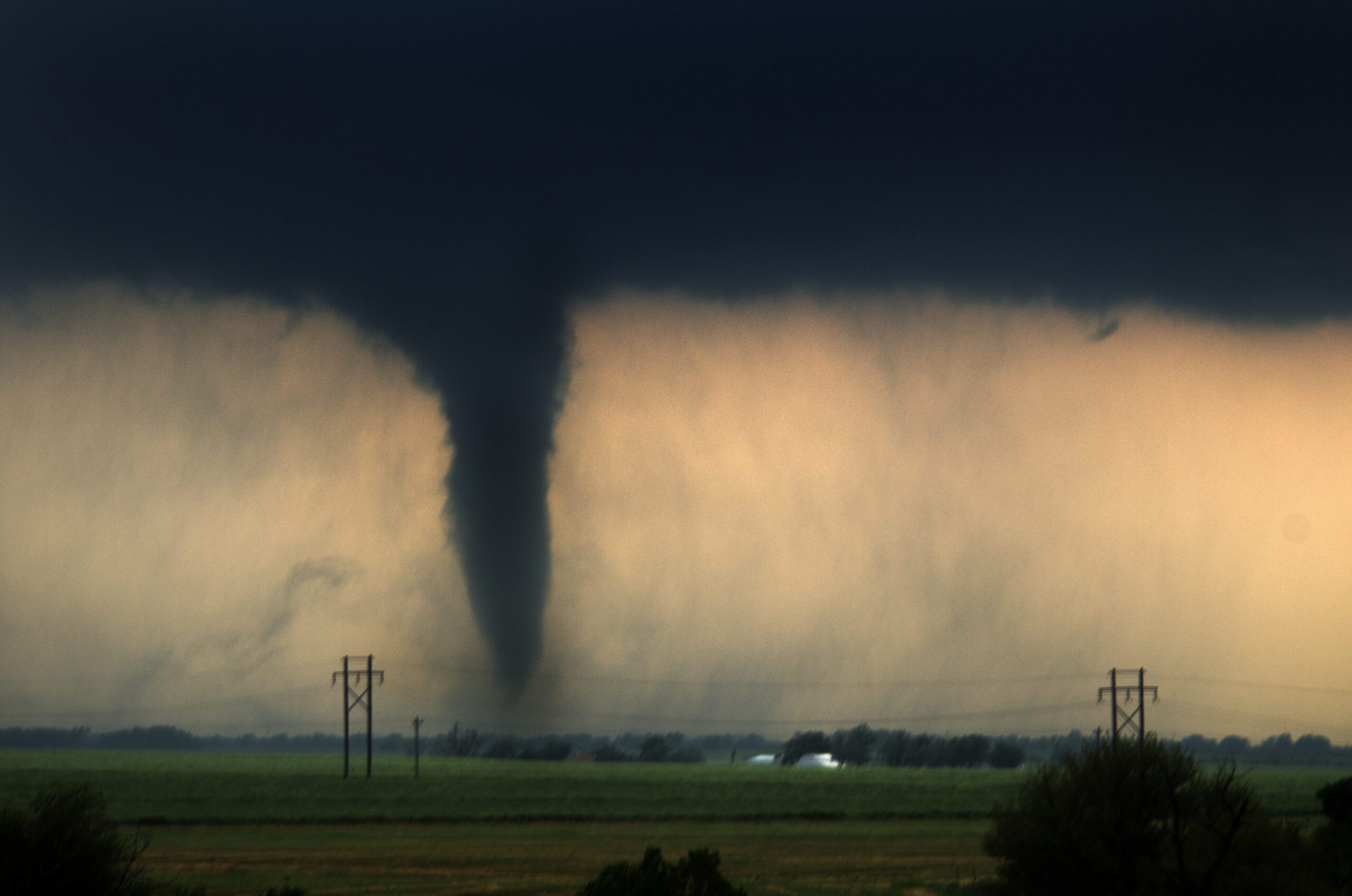
When conditions are changing rapidly, frequent updates are especially valuable. Sudden storms, strong winds, heavy rainfall, or temperature changes can develop more quickly than a simple morning forecast suggests.
Using Weather Information for Everyday Planning
Weather information can influence many ordinary decisions. Before commuting, people may check rainfall, temperature, wind, and visibility. Travelers can review conditions at both their departure and destination locations. Outdoor workers may consider heat, rain, wind, and storm risks when organizing tasks.
For recreational activities, forecasts can help determine whether conditions are suitable for hiking, cycling, camping, sports, photography, or sightseeing. Event organizers may use forecasts to prepare alternative arrangements when outdoor activities are involved.
A practical approach is to check:
- Current atmospheric conditions before leaving home.
- Hourly forecasts when timing is important.
- Longer-range forecasts when planning future activities.
- Official alerts when severe conditions are possible.
Using several pieces of information together is generally more helpful than focusing only on the temperature shown in an app.
Weather, Seasons, and Regional Differences
Seasonal patterns influence the type of conditions people commonly experience, but seasons do not determine every individual day. In tropical regions, rainfall and humidity may be major considerations, while colder regions may pay more attention to snow, freezing temperatures, and ice.
India provides a useful example of regional variation. Coastal areas can experience different humidity and rainfall patterns from inland regions, while mountainous locations may have significantly different temperatures from nearby plains. Monsoon systems can also produce substantial changes in rainfall across different parts of the country.
Even within the same season, local conditions can vary considerably. Geographic features, elevation, proximity to water, and prevailing wind patterns all contribute to regional differences.
Understanding Severe Weather Alerts
Severe conditions require more attention than ordinary daily changes. Alerts may be issued for hazards such as thunderstorms, flooding, cyclones, extreme heat, strong winds, heavy snowfall, or other dangerous conditions.
When a severe alert is active, people should pay attention to information from recognized meteorological and emergency authorities. An alert does not necessarily mean every location in a broad region will experience the same conditions. The exact area, expected timing, severity, and recommended precautions are important details.
For travelers, checking official alerts before departure can help identify disruptions or hazardous routes. During storms or other dangerous events, updated official guidance should take priority over informal social media reports or outdated forecasts.
Weather and Technology
Smartphones, connected devices, satellites, radar systems, and online forecasting platforms have made atmospheric information easier to access. Many applications provide hourly forecasts, precipitation maps, wind information, sunrise and sunset times, air-quality details, and severe-weather notifications.
Personal weather stations can also collect localized measurements. These devices may monitor temperature, humidity, pressure, rainfall, and wind around homes, farms, or workplaces. While local sensors can be useful, their placement and maintenance can affect measurement quality.
Technology has also improved visualization. Interactive maps can show precipitation movement, wind patterns, temperature differences, and approaching systems. These tools can make complex atmospheric information easier to understand when used alongside reliable forecast data.
How to Read a Forecast More Effectively
Reading a forecast requires more than checking one temperature value. Start by looking at the expected conditions for the specific time you care about. If you are planning an outdoor activity, precipitation probability, wind, cloud cover, and temperature may all matter.
For travel, visibility and strong winds can be particularly relevant. For exercise, heat and humidity can affect comfort. For agriculture, rainfall timing and temperature trends may be more useful than a general daily description.
It is also important to understand that precipitation probability does not necessarily mean rain will continue for that entire period. Forecast terminology can vary between services, so checking the provider’s explanation of its measurements can prevent misunderstandings.
Conclusion
Weather affects transportation, agriculture, recreation, work, travel, and everyday routines. Understanding temperature, humidity, wind, precipitation, cloud cover, and atmospheric pressure makes forecasts easier to interpret and use effectively. Modern forecasting combines observations, satellites, radar, computer models, and professional analysis to estimate changing atmospheric conditions.
The most useful approach is to consider the location, timing, forecast uncertainty, and any official alerts rather than relying on a single measurement. Regularly checking updated information can also be valuable when conditions are changing quickly. With a basic understanding of forecasting terms and atmospheric patterns, people can make more informed plans and respond more effectively to changing conditions.