


Introduction
Weather Delhi plays an important role in daily life, influencing travel, outdoor activities, health, work, and seasonal planning. As India’s capital, Delhi experiences considerable changes throughout the year, from extremely hot summer afternoons to chilly winter mornings and humid monsoon days. Understanding local weather conditions helps residents, commuters, students, and visitors prepare for changing temperatures and make better decisions.
People searching for weather Delhi information often want to know the current temperature, expected rainfall, humidity, wind conditions, and whether the coming days will be comfortable for outdoor activities. However, Delhi’s weather can change significantly between seasons and sometimes even within a single day. Checking a reliable forecast before leaving home can help people choose appropriate clothing, plan journeys, and take precautions against heat, cold, pollution, or rain.
This guide explains Delhi’s climate, seasonal patterns, weather forecasts, and practical ways to stay prepared throughout the year.
Understanding Delhi’s Weather Patterns
Delhi has a broad seasonal climate characterized by hot summers, a summer monsoon, and cool to cold winters. Temperatures can vary widely between daytime and nighttime, particularly during transitional months. The city’s location in northern India contributes to these pronounced seasonal differences.
Summer usually brings intense sunshine and dry heat, while monsoon conditions introduce rainfall, cloud cover, and increased humidity. Winter often brings cooler temperatures, fog, and periods of reduced visibility. Spring and autumn generally provide transitional weather, although their comfort levels depend on the prevailing temperature, wind, and air quality.
When checking weather Delhi updates, it is useful to consider more than the temperature alone. Humidity affects how warm the air feels, wind can increase discomfort during cold weather, and cloud cover influences sunshine and daytime heating. Rainfall forecasts also matter because heavy showers can disrupt road traffic and public transport.
A complete weather report provides a more useful picture than a single temperature reading, especially for people who spend considerable time outdoors.
Why Checking the Daily Weather Forecast Matters
A daily forecast helps people organize activities around expected conditions. Office workers may use it to decide when to commute, while parents can prepare children for school journeys. Travelers can check for rain, fog, or strong winds before planning airport transfers and road trips.
Weather information is especially useful during Delhi’s summer and winter extremes. High temperatures can make prolonged outdoor exposure uncomfortable, whereas cold mornings may require additional clothing. During the rainy season, checking precipitation forecasts can help commuters allow extra travel time.
Forecasts also support household planning. Residents can decide when to dry clothes outdoors, schedule exercise, ventilate rooms, or postpone outdoor events. Businesses that depend on deliveries and transportation may also benefit from monitoring changing conditions.
Because forecasts can change, checking updated information is more useful than relying on yesterday’s prediction. Short-term forecasts generally help with immediate decisions, while longer-range forecasts provide broader planning guidance rather than guaranteed outcomes.
Delhi’s Summer Weather and High Temperatures
Delhi’s summer typically extends from April through June, with the hottest conditions commonly occurring in May and June. During this period, strong sunshine and hot winds can make afternoons particularly uncomfortable. Temperatures may rise substantially, although actual conditions vary from day to day and from year to year.
The combination of high temperatures, dry air, and prolonged outdoor exposure can increase the risk of dehydration and heat-related illness. People working outdoors, exercising during midday, or traveling without adequate drinking water should take particular care.
Lightweight clothing, regular hydration, shaded rest areas, and reduced strenuous activity during the hottest hours can make summer conditions easier to manage. Checking the weather Delhi forecast before leaving home helps people identify particularly hot days and adjust their schedules.
Air conditioning and fans may provide relief indoors, but people should also ensure that vulnerable family members have access to a cool environment. Older adults, young children, and people with certain health conditions may need additional precautions during extreme heat.
Monsoon Weather in Delhi
Delhi’s monsoon season generally begins around late June or early July and continues through September, although arrival and withdrawal dates vary. Rainfall brings relief from summer heat, but higher humidity can make the atmosphere feel sticky and uncomfortable.
Monsoon weather can change quickly. A morning may begin with cloudy skies, followed by afternoon showers or thunderstorms. Some days bring light rainfall, while others may experience heavier downpours that affect traffic, drainage, and outdoor plans.
Commuters should monitor rain forecasts and allow additional time for journeys during periods of heavy precipitation. Waterlogged roads, slippery surfaces, and reduced visibility require extra caution. Carrying an umbrella or raincoat can also be useful when showers are expected.
Rainfall is not evenly distributed throughout the season. Therefore, it is better to check current forecasts than assume that every monsoon day will be wet. Humidity, cloud cover, wind, and rainfall together determine how comfortable the weather feels.
Delhi’s Winter Weather and Cold Mornings
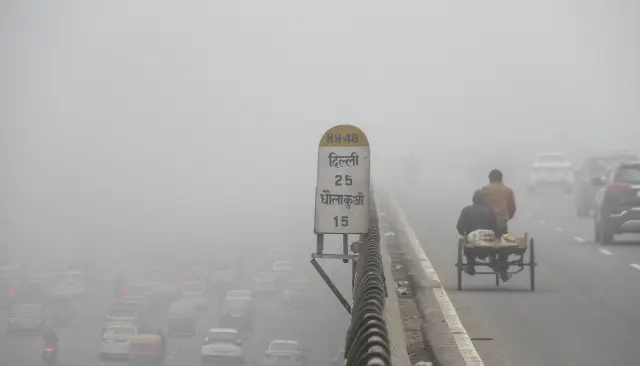
Winter in Delhi generally extends from December through February. Temperatures fall considerably compared with summer, and cold mornings and nights can be common. During some winter periods, dense fog reduces visibility and disrupts road, rail, and air travel.
The temperature experienced outdoors may feel different depending on sunshine, wind, and humidity. A sunny afternoon can feel relatively pleasant even when the morning begins with considerable cold. Checking minimum and maximum temperatures helps people choose suitable clothing for the entire day.
Winter fog is particularly important for commuters. Drivers should reduce speed, maintain a safe distance, and use appropriate vehicle lights when visibility is poor. Travelers should check transport updates before leaving for airports or railway stations because weather-related delays can occur.
Winter also coincides with periods of poor air quality in Delhi. Weather conditions can influence how pollutants disperse, but air pollution is a separate concern from temperature. Checking both the weather forecast and the air quality index provides a more complete picture of outdoor conditions.
Spring and Autumn: Transitional Seasons
Spring and autumn provide transitions between Delhi’s more extreme seasons. February and March often bring gradually warming temperatures, while October and November generally mark the movement from monsoon conditions toward cooler weather.
These periods can offer comfortable opportunities for walking, sightseeing, exercise, and outdoor gatherings. However, conditions are not always mild. Temperatures may rise quickly during spring, and autumn can still include warm afternoons or changing air quality.
People planning outdoor activities should check daytime temperatures, nighttime lows, wind, and air quality rather than relying on seasonal expectations alone. A light jacket may be useful during cooler mornings, while breathable clothing may remain comfortable later in the day.
Seasonal transitions also influence household routines. Residents may adjust fans, cooling systems, bedding, and clothing as temperatures change. Monitoring daily weather updates makes these adjustments easier and helps avoid being unprepared for sudden changes.
Weather Delhi: Important Conditions to Monitor
Temperature is one of the most familiar parts of a forecast, but several other measurements can help explain how the weather will affect daily activities. Maximum and minimum temperatures indicate the expected daytime high and overnight low. The feels-like temperature considers factors that influence perceived warmth or cold.
Humidity describes the amount of moisture in the air relative to its capacity at a given temperature. High humidity can make warm weather feel more uncomfortable because sweat evaporates less efficiently. Wind speed and direction help explain how air moves and whether outdoor conditions may feel cooler or dustier.
Rain probability indicates the likelihood of precipitation for a forecast area and period. It does not necessarily mean that rain will fall continuously or uniformly across every neighbourhood. Visibility information is especially valuable during foggy conditions.
Air quality should be checked separately through a reliable pollution monitoring service. A weather forecast alone cannot establish whether outdoor air is healthy to breathe.
How to Read a Delhi Weather Forecast
A useful forecast combines current observations with predictions for the coming hours and days. Start by checking the current temperature and compare it with the expected high and low. This reveals whether the day is likely to become significantly warmer or cooler.
Next, review the hourly forecast if you have a specific activity planned. Someone leaving early for work may need different clothing from someone attending an outdoor event in the afternoon. Rain probability, wind, and visibility can be particularly important when planning longer journeys.
The following table explains common forecast terms and their practical significance.
| Weather detail | What it tells you | Why it matters |
|---|---|---|
| Current temperature | Present air temperature | Helps with immediate clothing choices |
| Maximum temperature | Expected daytime high | Useful for planning afternoon activities |
| Minimum temperature | Expected overnight low | Helps prepare for cold mornings |
| Humidity | Relative moisture in the air | Explains discomfort in humid conditions |
| Rain probability | Chance of precipitation | Supports travel and outdoor planning |
| Wind speed | How quickly air is moving | Helps assess outdoor comfort |
| Visibility | How clearly distant objects can be seen | Important during fog and mist |
| Air quality index | Level of measured air pollution | Supports informed outdoor decisions |
Using these details together provides a clearer understanding of expected conditions and helps people prepare more effectively.
Conclusion
Weather Delhi conditions influence almost every part of daily life, from commuting and school schedules to travel, exercise, and household routines. The city’s distinct seasons bring different challenges, including summer heat, monsoon rainfall, winter fog, and changing air quality. Understanding these patterns makes it easier to prepare for both ordinary days and unusual weather events.
The most practical approach is to check an updated forecast, review hourly conditions when necessary, and consider temperature alongside humidity, wind, rainfall, visibility, and air pollution. With reliable information and sensible precautions, residents and visitors can make better decisions throughout the year. Whether planning a morning commute or an outdoor weekend, staying informed about Delhi’s weather helps make daily activities safer and more comfortable.