

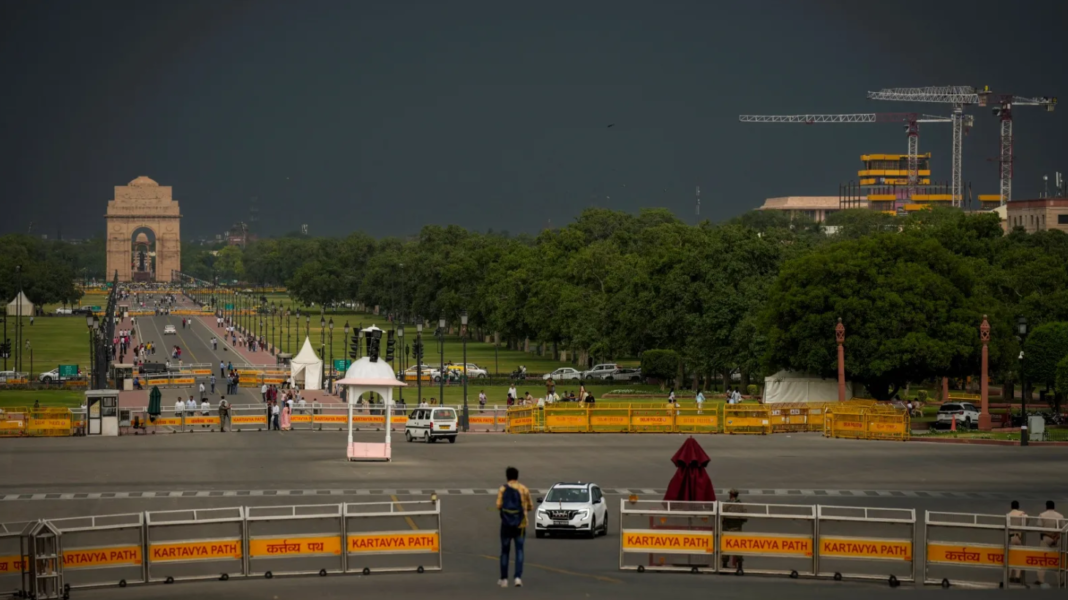

Delhi experiences a wide range of weather conditions across the year, making it useful to understand seasonal patterns before planning outdoor activities, travel, work commutes, or weekend plans. The capital has a predominantly subtropical climate, with hot summers, a humid monsoon period, pleasant winters, and noticeable changes during spring and autumn.
People checking weather delhi information often want more than a simple temperature reading. Daily conditions can influence clothing choices, transportation, outdoor exercise, sightseeing, school routines, and general comfort. Temperature is only one part of the picture; humidity, rainfall, wind, sunshine, fog, and air quality can also affect how a day feels.
Delhi’s weather can change considerably between seasons. A winter morning may be cold and foggy while the afternoon becomes comfortable. Similarly, a summer day can begin relatively manageable but become extremely hot by midday. Understanding these patterns makes it easier to prepare for changing conditions.
Delhi Weather by Season
The annual weather cycle can broadly be divided into winter, summer, monsoon, and transitional periods. Each season brings different conditions and planning considerations.
| Season | General Period | Common Conditions | Planning Considerations |
|---|---|---|---|
| Winter | December–February | Cool, cold mornings, fog | Warm clothing and visibility awareness |
| Spring | March–April | Increasing warmth, clearer days | Light clothing and outdoor planning |
| Summer | May–June | Very hot, dry periods | Hydration and heat protection |
| Monsoon | July–September | Rain, humidity, cloudy periods | Rain protection and flexible travel |
| Autumn | October–November | Gradually cooler, drier conditions | Comfortable outdoor activities |
These periods are general rather than strict boundaries. Weather patterns can shift from year to year, so checking current conditions remains important when making immediate plans.
Winter Brings Cold Mornings and Fog
Winter is one of the most noticeable seasons in the capital. From December through February, temperatures can fall substantially during the night and early morning. January is often associated with particularly chilly mornings, while afternoons can become considerably more comfortable when sunlight is strong.
Fog is another important winter feature. Dense fog can reduce visibility on roads and affect transportation, especially during early morning hours. Travelers using highways, rail services, or flights may need additional flexibility when visibility is poor.
When reviewing weather delhi conditions during winter, it is useful to consider both morning and afternoon temperatures rather than relying on a single daily figure. Layered clothing can be practical because temperatures may change significantly between sunrise and midday.
Air quality can also become an important consideration during colder months. Calm winds and atmospheric conditions may contribute to the accumulation of pollutants. People planning outdoor activities should therefore consider both meteorological conditions and air-quality information.
Summer Can Become Extremely Hot
Delhi’s summer season is known for intense heat. May and June are generally among the hottest months, and daytime conditions can become uncomfortable, particularly during the afternoon. Hot winds may also occur during periods of intense summer heat.
Checking weather delhi forecasts before leaving home can help people decide when to schedule outdoor activities. Early morning and later evening are generally more comfortable for many outdoor tasks than the hottest part of the afternoon.
Heat preparation is particularly important for commuters, construction workers, delivery personnel, tourists, and anyone spending extended periods outside. Simple measures include:
- Carrying sufficient drinking water.
- Wearing lightweight and breathable clothing.
- Using sun protection when spending time outdoors.
- Taking breaks in shaded or cooler locations.
Summer conditions can also affect electricity demand because cooling systems operate more frequently. A forecast showing rising temperatures can therefore be useful for household planning as well as personal comfort.
Monsoon Changes the Daily Routine
The monsoon usually brings a major change to Delhi’s weather. Rainfall becomes more frequent, humidity rises, and cloudy conditions can replace the clear skies commonly associated with dry summer periods.
Rain does not necessarily occur continuously throughout the day. A morning can be relatively dry before a heavy shower develops later. Because of this variability, short-term forecasts can be particularly helpful for people planning commutes or outdoor events.
During periods of heavy rainfall, waterlogging may affect certain roads and low-lying areas. Traffic can become slower, while pedestrians may need suitable footwear and rain protection. Strong winds and thunderstorms can also accompany some weather systems.
For anyone following weather delhi updates during the rainy season, rainfall probability, expected intensity, wind conditions, and thunderstorm alerts can be just as useful as the temperature.
Spring and Autumn Offer Changing Conditions
Spring and autumn are transitional periods when Delhi moves between more extreme seasons. March and April generally see temperatures climbing after winter, while October and November gradually bring cooler conditions after the monsoon and summer.
These seasons can provide comfortable opportunities for outdoor activities, although conditions can change quickly. A pleasant morning may become warm by afternoon, and evenings can begin to feel cooler as the season progresses.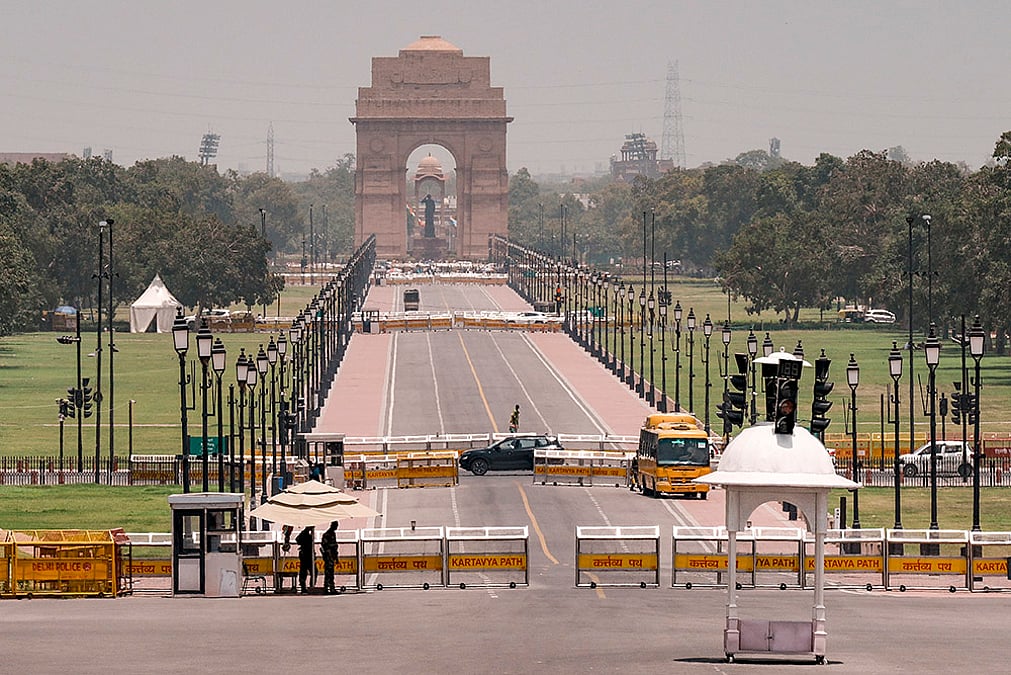
These transition periods are also useful reminders that seasonal descriptions are only broad guides. Actual conditions depend on atmospheric systems, wind direction, rainfall, cloud cover, and other factors.
Why Temperature Alone Is Not Enough
A temperature figure provides only a limited description of outdoor conditions. Two days with similar temperatures can feel completely different because humidity, wind, cloud cover, and sunlight vary.
For example, high humidity can make warm conditions feel more uncomfortable because sweat evaporates less efficiently. Strong winds can make a cool day feel colder, while bright sunshine can make a mild afternoon feel warmer than the measured temperature suggests.
When checking weather delhi, consider several indicators together:
- Maximum and minimum temperature
- Rain probability and expected rainfall
- Humidity
- Wind speed and direction
- Cloud cover
- Visibility
- Air-quality conditions
This broader approach creates a more realistic picture of what to expect during the day.
Using Weather Information for Daily Planning
Weather forecasts can be useful for almost every part of a normal day. Someone commuting to work may want to know whether rain could affect road travel. A family planning a park visit may focus on temperature, cloud cover, and rainfall. Travelers may be more concerned about visibility, thunderstorms, or changing conditions.
For weather delhi planning, checking the forecast at different points can be more useful than looking only once several days in advance. Longer-range forecasts provide general planning information, while shorter-term forecasts can offer more practical guidance as the date approaches.
Outdoor workers can use forecast information to organize demanding tasks around more comfortable periods. Students and parents can consider rainfall and temperature when preparing for school travel. Event organizers can also build contingency plans when unstable weather is expected.
How Weather Affects Travel Around Delhi
Weather conditions can influence road, rail, and air travel. Fog can reduce visibility during winter, while heavy rain can slow road traffic during the monsoon. Extreme summer heat can also make long outdoor journeys uncomfortable.
People traveling through Delhi should allow some flexibility when weather conditions are uncertain. Carrying an umbrella during the rainy season, keeping warm layers available during winter, and carrying water during summer are simple ways to prepare.
For visitors, weather awareness can also improve sightseeing plans. Outdoor monuments, markets, parks, and walking routes are easier to enjoy when scheduled around suitable conditions rather than during extreme heat or heavy rainfall.
Weather, Air Quality, and Everyday Comfort
Delhi’s atmospheric conditions are an important part of understanding its environment. Weather and air quality are related but are not the same thing. Wind, temperature, humidity, and atmospheric stability can influence how pollutants disperse.
This means someone researching weather delhi conditions should not automatically assume that comfortable temperatures indicate ideal outdoor conditions. A mild winter afternoon, for example, may still require attention to air-quality information.
A balanced daily assessment considers both physical comfort and environmental conditions. This is especially useful for people spending long periods outdoors or planning exercise and recreational activities.
Making Better Decisions With Forecast Updates
Forecasts are most valuable when used as planning tools rather than guarantees. Weather systems can develop or weaken, and local conditions may differ from broader regional forecasts.
A practical approach is to check the general outlook when making plans, then review the forecast closer to the activity. On days with possible thunderstorms or heavy rain, checking more frequently can provide useful updates.
People monitoring weather delhi information should also pay attention to official warnings when severe conditions are expected. Alerts can provide more important guidance than ordinary daily temperature forecasts.
Conclusion
Delhi’s climate is highly seasonal, moving from cold and foggy winter mornings to intense summer heat, humid monsoon conditions, and more comfortable transitional periods. Understanding these patterns makes everyday planning easier, whether the goal is commuting, traveling, exercising, working outdoors, or organizing leisure activities.
The most useful approach is to look beyond temperature and consider rainfall, humidity, wind, visibility, cloud cover, and air quality. Regularly checking weather delhi updates can help people make practical decisions and prepare for changing conditions. Rather than treating a forecast as a fixed prediction, using it as a planning guide allows residents and visitors to respond more confidently to Delhi’s changing atmosphere.