



Weather describes the condition of the atmosphere at a particular place and time. Temperature, rainfall, humidity, wind, cloud cover, air pressure, and visibility all contribute to atmospheric conditions. These factors can change within hours, making daily forecasts useful for planning travel, outdoor activities, farming, work, and many other parts of life.
Unlike climate, which describes long-term patterns over many years, weather focuses on short-term atmospheric behavior. A city may experience a hot afternoon followed by thunderstorms in the evening, while another location only a few hundred kilometers away could remain dry and comfortable. Geography, altitude, proximity to water, seasonal patterns, and atmospheric circulation all influence these differences.
Understanding basic atmospheric conditions also helps people interpret forecasts more effectively. Instead of looking only at a temperature number, it is useful to consider precipitation chances, wind speed, humidity, cloud cover, and expected changes throughout the day.
What Causes Changes in Weather?
The atmosphere is constantly moving and exchanging heat. Solar energy warms Earth’s surface unevenly because different regions receive different amounts of sunlight. Land and water also absorb and release heat at different rates. These differences create variations in temperature and air pressure, which contribute to atmospheric movement.
Air generally moves from areas of higher pressure toward areas of lower pressure. This movement produces wind and can transport moisture and heat across large distances. When warm, moist air rises and cools, water vapor may condense into clouds. Under suitable conditions, these clouds can produce rain, snow, sleet, or hail.
Mountains can also influence local conditions. Air forced upward over a mountain range may cool and create precipitation on one side, while the other side can become considerably drier. Coastal regions often experience different temperature patterns from inland areas because oceans and seas moderate heating and cooling.
These interactions explain why conditions can change rapidly. A calm morning may develop into a windy afternoon as pressure patterns shift, while approaching storm systems can bring clouds, rain, and falling temperatures within a relatively short period.
Key Elements Used to Describe Atmospheric Conditions
Several measurements are commonly used when describing daily atmospheric conditions. Each provides different information, and together they create a more complete picture.
Temperature indicates how warm or cold the air is. It is commonly reported in degrees Celsius or Fahrenheit. Maximum and minimum temperatures help people understand expected daytime and nighttime conditions.
Humidity measures the amount of water vapor in the air. High humidity can make warm conditions feel more uncomfortable because evaporation of sweat becomes less efficient. Low humidity can contribute to dry skin, static electricity, and faster evaporation.
Wind describes the movement of air and is measured using speed and direction. Strong winds can affect transportation, outdoor work, aviation, marine activities, and structures.
Precipitation includes rain, snow, sleet, and hail. Forecasts may describe the expected amount, timing, or probability of precipitation.
Air pressure is another important measurement. Changes in pressure are associated with changing atmospheric systems and can help meteorologists track developing conditions.
Cloud cover and visibility are particularly important for aviation, road travel, photography, agriculture, and outdoor activities.
How Weather Forecasts Are Created
Modern forecasting combines observations, mathematical models, satellite information, radar data, weather stations, aircraft measurements, and ocean observations. Meteorologists use these sources to understand the current state of the atmosphere before estimating how it may develop.
Computer-based numerical models divide the atmosphere into many sections and calculate how temperature, pressure, moisture, wind, and other variables may change. Different models can produce somewhat different outcomes, especially several days into the future.
Forecast accuracy generally depends on the time range and the type of atmospheric event. A short-term forecast can provide useful information about conditions expected within the next few hours or days, while longer-range outlooks involve greater uncertainty.
Radar is especially useful for tracking precipitation and storms. Satellites provide broad observations of cloud systems, moisture, temperature patterns, and developing disturbances over areas where ground-based observations may be limited.
Forecasts should therefore be treated as informed estimates rather than guarantees. Checking an updated forecast is particularly helpful before making plans that depend heavily on outdoor conditions.
Different Types of Forecasts
Forecast services commonly divide predictions into several time periods. Each serves a different purpose.
| Forecast Type | Typical Focus | Common Use |
|---|---|---|
| Current conditions | Conditions happening now | Daily decisions |
| Hourly forecast | Changes over the next several hours | Travel and outdoor plans |
| Short-range forecast | Next few days | Events and work planning |
| Extended forecast | Several days to around two weeks | General planning |
| Seasonal outlook | Broad patterns over a season | Agriculture and resource planning |
An hourly forecast can be more useful than a general daily summary when timing matters. For example, someone planning an outdoor event may want to know whether rain is expected during a specific period rather than simply seeing that rain is possible sometime during the day.
Seasonal Patterns and Regional Differences
Seasonal conditions vary significantly depending on latitude, elevation, geography, and regional circulation patterns. Tropical regions may remain warm throughout much of the year but experience pronounced wet and dry periods. Temperate regions often have more noticeable differences between summer and winter.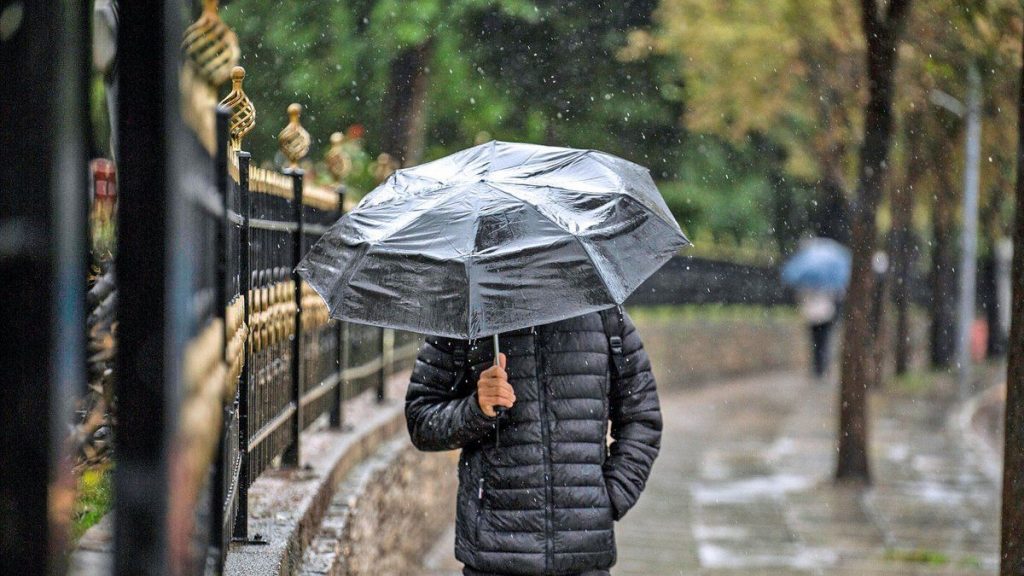
India provides a useful example because its atmospheric patterns are influenced by the Himalayan region, surrounding seas, seasonal winds, and the South Asian monsoon. Rainfall patterns can vary substantially between regions. Coastal areas, northern plains, deserts, plateaus, and mountainous locations can experience very different conditions during the same month.
Seasonal transitions can also produce rapidly changing conditions. The arrival or retreat of monsoon systems, the movement of western disturbances, and local thunderstorms can influence temperatures and rainfall across different parts of the country.
Understanding regional patterns helps people interpret forecasts in context. A rainfall prediction that is significant for one area may be routine for another, while the same temperature can feel very different depending on humidity, wind, and acclimatization.
Weather Versus Climate
The terms weather and climate are closely related but describe different timescales. Weather refers to short-term atmospheric conditions, whereas climate represents typical patterns and variations over much longer periods.
For example, a particular city experiencing an unusually cool day is a short-term event. Studying whether average temperatures have changed over decades is a climate-related question. One cold day does not by itself establish a long-term climate pattern.
Climate information is valuable because it provides context for interpreting individual events. Historical averages can show what conditions are typical for a location and season, while current observations explain what is happening at a particular moment.
Keeping the distinction clear prevents common misunderstandings. Short-term atmospheric variability occurs naturally, even within broader long-term trends.
How Weather Affects Everyday Decisions
Atmospheric conditions influence ordinary activities more than many people realize. Commuters may change travel times because of heavy rain or reduced visibility. Farmers monitor rainfall, temperature, soil moisture, and seasonal outlooks when planning agricultural activities. Construction projects may need to account for wind, precipitation, and extreme heat.
Travelers also rely on forecasts when choosing clothing, transportation, and outdoor activities. Pilots, sailors, emergency services, and utility companies use detailed atmospheric information because changing conditions can directly affect safety and operations.
At home, forecasts can help people decide when to exercise outdoors, dry clothes, organize events, or prepare for strong winds and heavy rainfall. During periods of extreme heat or cold, updated information can also help people plan sensible routines and reduce exposure to uncomfortable conditions.
Useful habits include:
- Checking hourly conditions before time-sensitive outdoor plans.
- Looking at precipitation, wind, and temperature rather than temperature alone.
- Rechecking forecasts when severe conditions are possible.
- Considering local geography when interpreting a regional forecast.
Severe Weather and Preparedness
Some atmospheric events require greater attention because they can disrupt transportation, damage property, or create safety risks. These may include thunderstorms, cyclones, floods, heat waves, heavy snowfall, strong winds, and lightning.
Preparedness begins with understanding official alerts and knowing which hazards are relevant to a particular area. During severe conditions, people should follow instructions from appropriate local authorities and emergency services rather than relying exclusively on a general forecast app.
Forecast terminology also matters. A watch generally indicates that conditions are favorable for a particular hazard, while a warning indicates that hazardous conditions are occurring or expected and may require immediate attention. Exact terminology can vary between forecasting agencies, so users should follow the definitions provided by their local authority.
Keeping emergency supplies available, knowing evacuation routes where applicable, and maintaining reliable communication methods can make severe-weather preparation more practical.
Technology Is Changing Weather Forecasting
Forecasting technology continues to develop through improvements in satellites, radar, computing, sensors, and data analysis. More detailed observations allow meteorologists to study atmospheric conditions at increasingly fine scales.
Artificial intelligence and machine-learning techniques are also being explored for forecasting and weather-related data analysis. These approaches can identify patterns in large datasets and may complement established numerical forecasting systems.
Smartphones and connected devices have made forecast information widely accessible. People can now receive location-based alerts, radar imagery, hourly predictions, and severe-condition notifications within seconds.
However, technology does not eliminate uncertainty. Atmospheric systems remain complex, and forecasts can change as new observations become available. The most useful approach is to combine updated forecasts with awareness of local conditions and official warnings.
Tips for Reading a Forecast More Effectively
A forecast becomes more useful when readers understand what each number means. A predicted high temperature does not describe the entire day, and a precipitation probability does not necessarily indicate how much rain will fall.
When checking a forecast, consider the following:
- Look at the hourly timeline when exact timing matters.
- Check wind speed and gusts for outdoor or travel plans.
- Compare temperature with humidity to understand how conditions may feel.
- Review alerts for thunderstorms, heavy rainfall, heat, or other hazards.
- Recheck changing forecasts before important activities.
It is also useful to compare a forecast with recent observations. If conditions are already changing quickly, a later forecast update may provide more relevant information than an earlier prediction.
Conclusion
Weather is a dynamic part of the atmosphere that affects transportation, agriculture, travel, construction, recreation, and everyday routines. Understanding temperature, humidity, wind, precipitation, pressure, and cloud conditions makes forecasts easier to interpret and use.
Modern forecasting combines observations, computer models, satellites, radar, and meteorological expertise to provide increasingly detailed information. Even so, uncertainty remains, particularly as the forecast period becomes longer.
By checking current conditions, understanding regional and seasonal patterns, paying attention to official warnings, and reviewing updated forecasts when plans depend on outdoor conditions, people can make more informed daily decisions. The key is not simply knowing what the forecast says, but understanding what its different measurements and time ranges actually mean.