



Planning the next day becomes much easier when you know what conditions to expect. Checking weather tomorrow can help you decide what to wear, whether to carry an umbrella, when to travel, and how to organize outdoor activities. A forecast usually provides information about temperature, rainfall, wind, cloud cover, humidity, and other atmospheric conditions.
Modern weather services use observations from satellites, weather stations, radar systems, computer models, and other sources to estimate upcoming conditions. Although forecasts are not always perfect, a next-day forecast is generally useful for everyday planning when interpreted with the right context.
Why Checking the Next Day Forecast Matters
A quick look at weather tomorrow can make a noticeable difference in daily preparation. Someone commuting to work may need to allow extra travel time if rain is expected, while a person planning a picnic may want to select a different time if thunderstorms are possible.
Weather information is also useful for households, travelers, students, outdoor workers, drivers, farmers, and event organizers. Even when there is no major weather event, changes in temperature or wind can affect comfort and safety.
Instead of focusing only on whether the day will be sunny or rainy, it is useful to examine several forecast elements together. Temperature, precipitation probability, wind speed, humidity, and hourly changes can provide a much clearer picture.
How Weather Forecasts Are Created
Forecasting begins with observations collected from many parts of the atmosphere. Weather stations measure conditions such as temperature, air pressure, wind, and humidity. Satellites provide information about clouds and atmospheric patterns, while radar can help identify and track precipitation.
Meteorological computer models then process large quantities of atmospheric data. These models use mathematical calculations to estimate how weather conditions may develop over time. Forecasters can examine model outputs alongside current observations and other information before producing a forecast.
This explains why weather tomorrow can sometimes change between forecast updates. New observations become available, and forecasting models may adjust their calculations accordingly.
Key Information to Check in a Forecast
A useful forecast contains more than a simple temperature number. Before making plans, look at several indicators together.
| Forecast Element | What It Tells You | Why It Matters |
|---|---|---|
| High Temperature | Expected warmest period | Helps with clothing and outdoor planning |
| Low Temperature | Expected coolest period | Useful for early morning and nighttime plans |
| Precipitation | Possibility and timing of rain or snow | Helps with travel and outdoor activities |
| Wind | Expected wind direction and speed | Important for driving and outdoor work |
| Humidity | Amount of moisture in the air | Affects how warm or cool conditions feel |
| Cloud Cover | Expected amount of clouds | Helps indicate sunshine and changing conditions |
| Hourly Forecast | Changes throughout the day | Useful for choosing the best time for activities |
Looking at these elements together gives a more practical understanding of upcoming conditions than relying on one headline forecast.
Understanding Temperature Predictions
Temperature is one of the first things people check when reviewing weather tomorrow. However, the listed high temperature does not necessarily describe how the entire day will feel.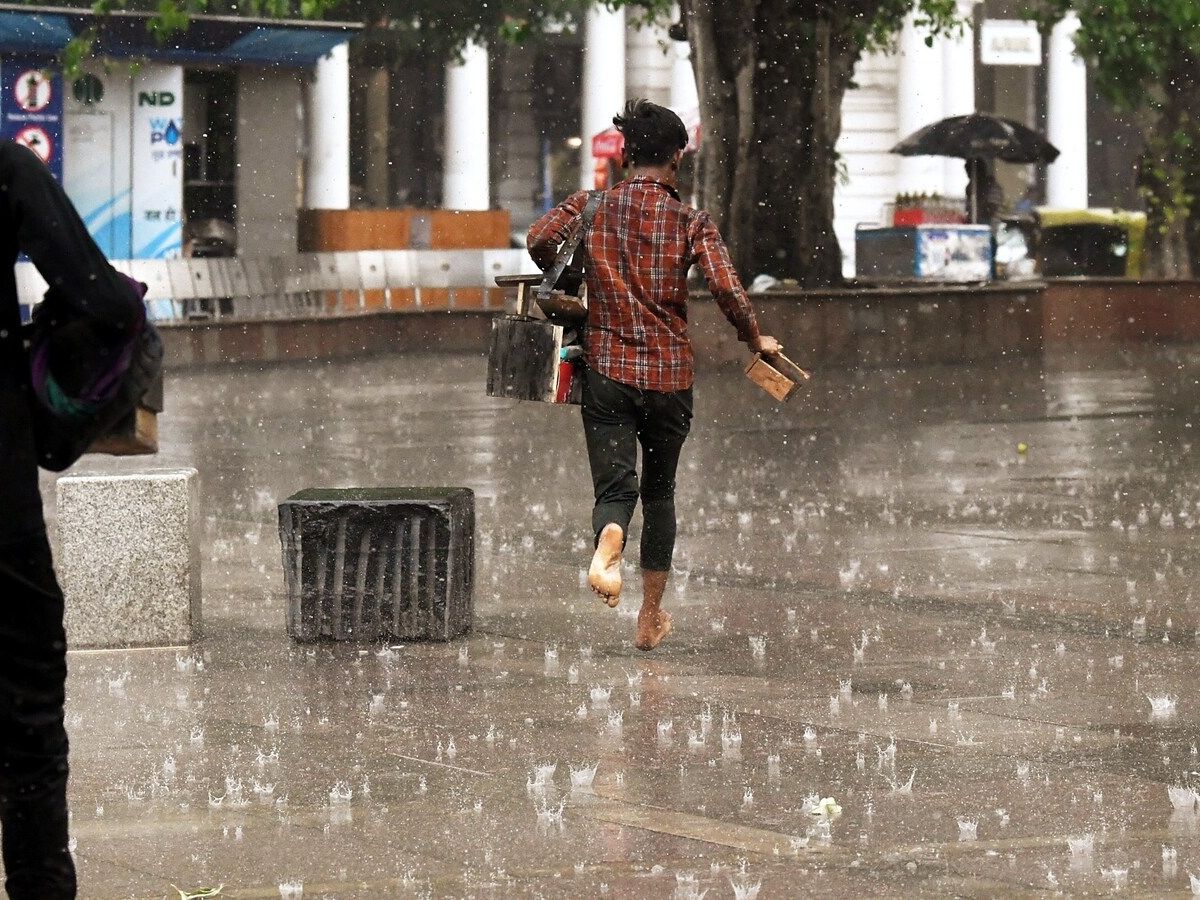
For example, a forecast may show a warm afternoon but a considerably cooler morning. Someone leaving home early may therefore need different clothing from someone going outside at midday.
The perceived temperature can also be influenced by wind and humidity. A strong breeze can make cool air feel colder, while high humidity can make warm conditions feel uncomfortable. This is why the actual temperature should be considered alongside other forecast information.
How to Read Rain and Precipitation Forecasts
Rain forecasts deserve particular attention because precipitation can affect transportation, outdoor work, sports, events, and travel.
When checking weather tomorrow, look beyond a basic rain icon. Examine the precipitation probability, expected timing, and hourly forecast when available. A possibility of rain throughout the day does not necessarily mean continuous rainfall from morning until night.
Rain may arrive in short periods, while other hours remain dry. In some situations, thunderstorms or heavy showers may develop during a particular part of the day. Understanding timing can therefore be more useful than simply seeing a rain symbol.
People planning outdoor activities should also consider whether conditions could change rapidly and keep an alternative indoor plan available when appropriate.
Using Hourly Forecasts for Better Planning
Daily forecasts provide a broad overview, but hourly information can offer greater practical value. If you need to know when to commute, exercise, shop, travel, or attend an outdoor event, examine conditions across different parts of the day.
For instance, an afternoon may have warmer temperatures but increased chances of showers. An early morning period might be cooler but relatively dry. Comparing these time periods allows you to choose activities more thoughtfully.
Hourly forecasts should still be treated as estimates rather than guarantees. Atmospheric conditions can evolve, particularly when weather systems are changing quickly.
Weather Tomorrow and Travel Planning
Travel plans often depend heavily on atmospheric conditions. Before leaving for a road trip, flight connection, train journey, or local excursion, reviewing weather tomorrow can help identify potential challenges.
Drivers can consider rain, fog, strong winds, or temperature changes that may influence road conditions. Travelers can also prepare suitable clothing and make decisions about outdoor sightseeing.
For longer journeys, checking forecasts for both the departure location and destination is useful. Conditions can differ significantly between nearby regions, especially when there are differences in elevation, coastline, or local geography.
Preparing Your Clothing and Daily Routine
One of the simplest benefits of checking weather tomorrow is choosing suitable clothing. A warm forecast may call for lightweight clothing, while cooler conditions may require an additional layer.
Rain forecasts can influence footwear and whether an umbrella or waterproof jacket is useful. Wind can also affect comfort, particularly during morning and evening hours.
A practical approach is to check the forecast once when planning the next day and again later if the weather is important to your schedule. This provides an opportunity to notice meaningful changes without constantly checking updates.
Weather Changes and Forecast Uncertainty
No forecast can describe future atmospheric conditions with complete certainty. Weather is a complex system, and small changes in atmospheric conditions can influence what eventually occurs.
The closer the forecast period, the more useful newly available observations can become. A forecast several days ahead may provide a general indication, while a next-day forecast can offer more specific information.
When checking weather tomorrow, pay attention to updated information if your plans depend strongly on conditions. This is especially relevant for outdoor events, long-distance travel, mountain activities, and situations involving potentially severe weather.
Useful Habits for Checking Weather Information
A few simple habits can make forecast information easier to use:
- Check the forecast for your exact location rather than relying on a broad regional prediction.
- Compare temperature with wind, humidity, and precipitation information.
- Use hourly forecasts when timing matters.
- Look for forecast updates before important outdoor plans.
- Pay attention to official weather warnings when severe conditions are possible.
These habits help turn weather information into practical decisions instead of treating a forecast as a simple yes-or-no prediction.
Conclusion
Understanding weather tomorrow is about more than checking whether the sky will be sunny or cloudy. Temperature ranges, precipitation chances, wind, humidity, cloud cover, and hourly changes all contribute to a more complete picture of upcoming conditions.
Forecasts can support everyday decisions about clothing, commuting, travel, outdoor activities, and event planning. Because conditions can change, it is sensible to review updated information when the forecast is particularly important. By understanding what each forecast element means and considering several indicators together, you can make better-informed plans for the day ahead.