

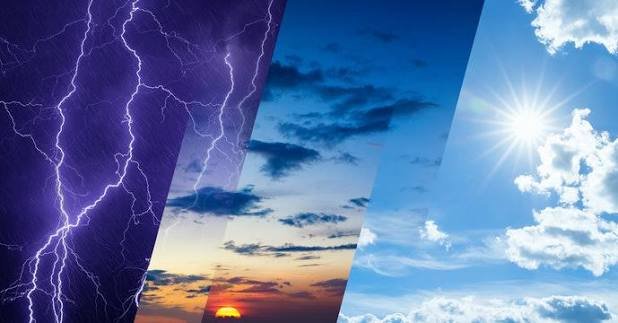

Weather influences nearly every part of everyday life, from the clothes people choose to the journeys they plan and the activities they enjoy outdoors. It describes the condition of the atmosphere at a particular place and time, including temperature, wind, humidity, cloud cover, rainfall, and air pressure. Although atmospheric conditions can change quickly, they are shaped by larger natural systems involving the sun, oceans, land surfaces, and movement of air. Understanding these elements makes it easier to interpret forecasts and recognize why conditions can differ between nearby locations. Modern forecasting has also made it possible to receive detailed information several days ahead. However, forecasts are estimates rather than guarantees, so conditions can still change unexpectedly.
What Is Weather?
Weather refers to the short-term state of the atmosphere. It can change from hour to hour or from one day to another depending on atmospheric movement and local conditions. Temperature is one of the most familiar measurements, but it is only one part of the complete picture. Wind speed and direction, atmospheric pressure, humidity, cloud formation, and precipitation all contribute to the conditions experienced at ground level. A sunny morning can therefore become cloudy or rainy later in the day as air masses move across an area. Mountains, oceans, cities, forests, and open land can also influence local atmospheric behavior. This explains why two places that are relatively close together may experience noticeably different conditions at the same time.
Main Elements of Weather
Several atmospheric elements are regularly measured to describe current conditions. Temperature indicates how warm or cold the air is, while humidity measures the amount of moisture present in the atmosphere. Wind describes the movement of air and is commonly reported through speed and direction. Atmospheric pressure indicates the weight of air above a particular location and can provide useful clues about changing conditions. Clouds are another important element because their type and coverage can influence sunlight, temperature, and precipitation. Rain, snow, sleet, and hail are forms of precipitation that occur when water droplets or ice particles become large enough to fall from clouds. Together, these measurements provide a more complete understanding than temperature alone.
How Weather Forecasts Are Created
Forecasting combines observations, computer models, scientific knowledge, and continuous monitoring of the atmosphere. Weather stations collect information about temperature, pressure, humidity, wind, and precipitation. Satellites observe cloud patterns and large atmospheric systems from above, while radar can help track precipitation and storms. Aircraft, weather balloons, ocean instruments, and other monitoring systems provide additional measurements. Computers then process enormous amounts of information through numerical models that simulate atmospheric behavior. Forecasters examine model results and compare them with current observations before producing predictions. Short-range forecasts are generally more reliable because small changes have less time to create major differences. Longer-range predictions can still be useful for planning, but their uncertainty normally increases as the forecast period extends.
Weather and the Four Seasons
Seasonal changes occur because Earth is tilted on its axis as it travels around the sun. This tilt changes the angle and duration of sunlight received by different parts of the planet throughout the year. During warmer seasons, many regions receive more direct sunlight and longer daylight hours. During colder seasons, sunlight arrives at a lower angle and daylight becomes shorter. Spring and autumn often represent transitional periods between these conditions. The exact experience of each season varies considerably by location. Coastal regions may have smaller temperature differences because nearby water moderates atmospheric conditions, while inland areas can experience more pronounced seasonal changes. Mountains and latitude also influence seasonal patterns, meaning that the traditional four-season experience is not identical everywhere.
Understanding Forecast Information
Reading a forecast requires looking beyond a single temperature number. A daily forecast may include the expected high and low temperatures, probability of precipitation, wind speed, humidity, cloud cover, and other indicators. The probability of precipitation is particularly useful when planning outdoor activities, but it should not automatically be interpreted as the expected duration or amount of rain. Wind direction can also influence how comfortable a temperature feels, especially during cold or hot conditions. Hourly forecasts are useful when conditions are expected to change significantly during the day. Forecast icons provide a quick visual summary, while detailed measurements offer more information for people who need to make careful decisions.
Weather Versus Climate
Weather and climate are related but describe different time scales. Weather concerns short-term atmospheric conditions, while climate describes typical patterns over much longer periods, generally using decades of observations. A single unusually hot, cold, wet, or dry day does not by itself establish a climate trend. Scientists examine long-term datasets to identify changes in averages, seasonal patterns, extremes, and other characteristics. Understanding this distinction is important because short-term atmospheric variability naturally occurs within broader climate patterns. Climate information can help explain why certain regions normally experience particular temperature ranges or precipitation patterns, while daily forecasts help people understand what conditions may occur in the immediate future.
Common Types of Weather Conditions
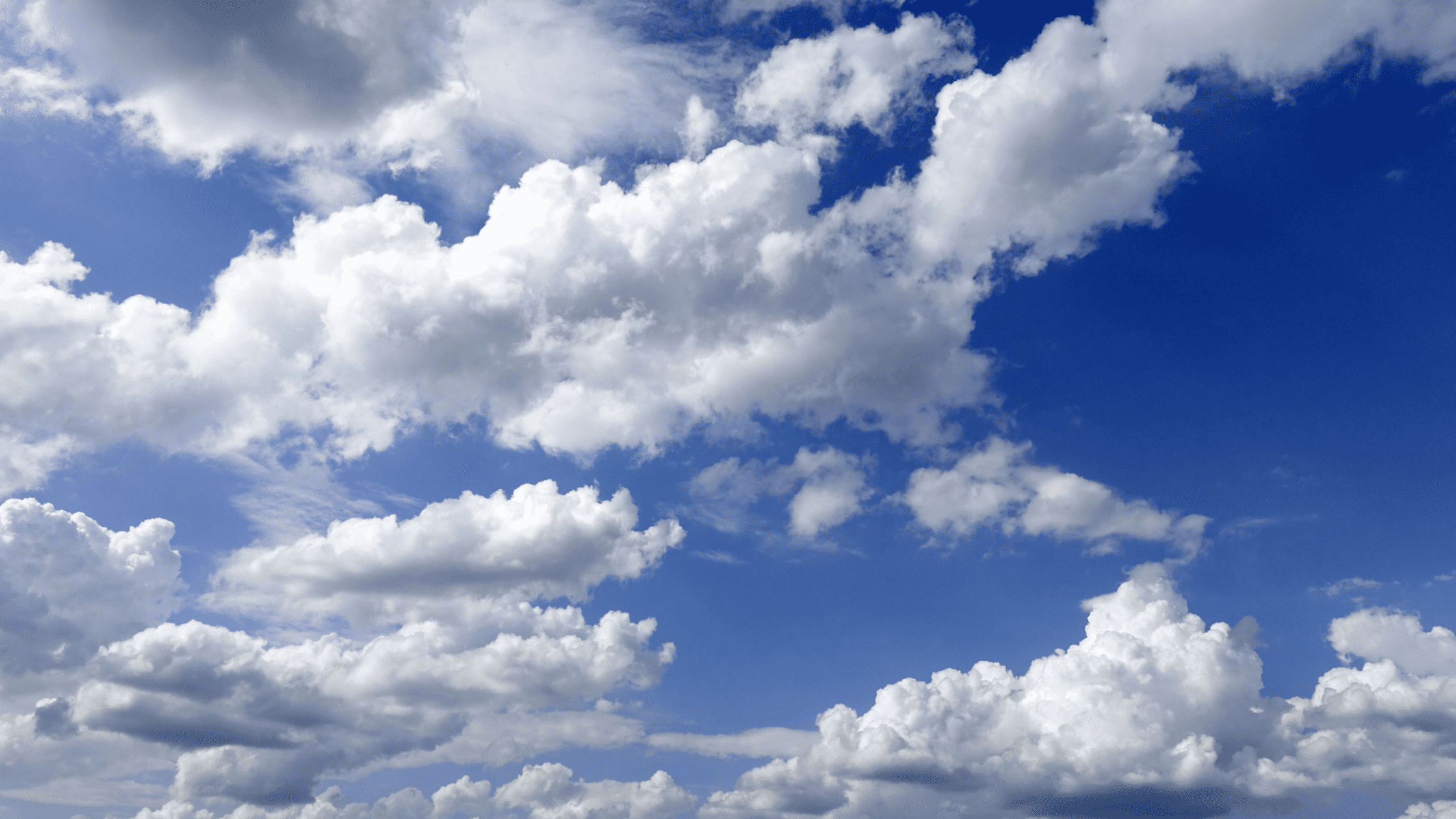
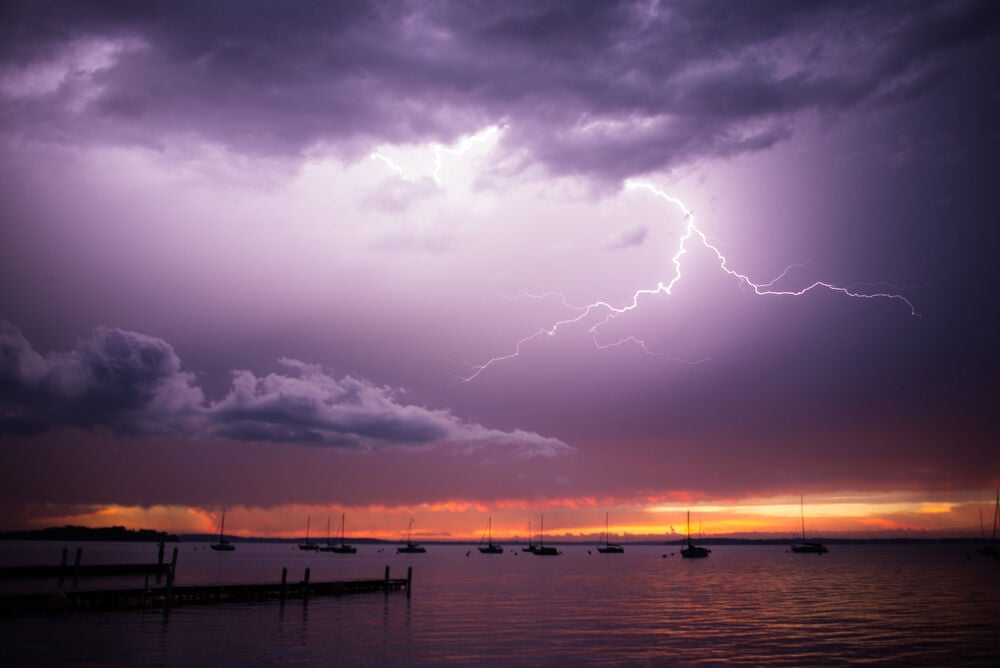
Different atmospheric situations can create very different experiences. Clear conditions usually involve limited cloud cover and strong visibility. Cloudy conditions occur when substantial portions of the sky are covered by clouds, sometimes without precipitation. Rain develops when liquid water droplets become sufficiently large to fall from clouds. Snow forms when temperatures allow ice crystals to develop and remain frozen as they reach the ground. Thunderstorms can involve heavy rain, lightning, thunder, strong winds, and occasionally hail. Fog forms when tiny water droplets remain suspended close to the ground, reducing visibility. Strong atmospheric systems can also produce severe conditions that require additional preparation and attention to official warnings.
A Simple Weather Information Table
| Element | What It Measures | Why It Matters |
|---|---|---|
| Temperature | Warmth or coldness of air | Helps determine clothing and comfort |
| Humidity | Moisture in the air | Influences comfort and cloud formation |
| Wind | Air movement | Affects outdoor activities and temperatures |
| Pressure | Atmospheric pressure | Helps identify changing systems |
| Clouds | Sky coverage and cloud types | Indicates possible changes and precipitation |
| Precipitation | Rain, snow, sleet, or hail | Important for travel and outdoor plans |
| Visibility | Distance that can be clearly seen | Important for driving and transportation |
Why Local Conditions Can Change Quickly
Local geography can strongly influence atmospheric conditions. Buildings and paved surfaces in urban areas can absorb and release heat differently from vegetation and open land. Large bodies of water can moderate temperatures and provide moisture to the atmosphere. Mountains can force air upward, causing clouds and precipitation to develop on one side while creating drier conditions elsewhere. Valleys can trap cooler air, while elevated locations may experience different wind and temperature conditions. Because of these influences, a forecast for a large region may not perfectly describe every neighborhood. People who live in areas with complex geography often benefit from checking local forecasts and short-term updates before making plans.
Useful Ways to Prepare for Changing Conditions
Good preparation does not require complicated equipment. The most useful approach is to check updated forecasts before important activities and pay attention to official alerts when severe conditions are expected. People planning outdoor events can review hourly information, while travelers may benefit from checking conditions along their entire route. Keeping suitable clothing available for changing temperatures can also make daily routines more comfortable. During periods of extreme heat, cold, heavy precipitation, or strong winds, preparation becomes particularly important. Outdoor workers, drivers, hikers, and people involved in sports may need to consider wind, visibility, precipitation, and temperature together rather than focusing on a single forecast number.
Practical preparation tips:
- Check forecasts before long journeys or outdoor activities.
- Pay attention to severe-condition alerts and official warnings.
- Consider temperature, wind, and precipitation together.
- Keep clothing suitable for changing conditions.
- Recheck forecasts when plans depend heavily on atmospheric conditions.
Technology and Modern Forecasting
Technology has transformed the way atmospheric information is collected and shared. Smartphones can provide frequent updates, while satellites continuously monitor large areas of the planet. Radar systems help identify precipitation and track developing storms. Automated stations can collect measurements throughout the day without requiring constant human observation. Modern computer models can process huge datasets and simulate complex atmospheric processes much faster than traditional manual methods. Artificial intelligence and machine learning are also being studied and used in various forecasting applications to identify patterns within large datasets. Despite these advances, forecasting remains challenging because the atmosphere is a complex system. Better technology improves predictions, but uncertainty can never be completely removed.
Weather and Everyday Life
Daily atmospheric conditions affect transportation, agriculture, construction, tourism, sports, energy use, and many household decisions. Farmers monitor rainfall and temperature when planning planting and harvesting activities. Airlines and airports pay close attention to visibility, wind, storms, and other atmospheric factors. Construction projects may need to account for heavy rain, strong winds, or extreme temperatures. Retail businesses can also experience changes in customer behavior depending on conditions. At home, people may adjust heating, cooling, ventilation, and outdoor activities according to the forecast. Even simple decisions such as choosing footwear or deciding whether to carry an umbrella depend on atmospheric information.
The Importance of Reliable Forecasts
Not every forecast source provides the same level of detail or accuracy. Reliable forecasting depends on quality observations, strong modeling systems, and experienced interpretation. When conditions could become dangerous, people should prioritize official warnings from recognized meteorological authorities rather than relying solely on social media posts or unverified predictions. Forecasts should also be understood as probabilities and estimates. A prediction of rain does not mean every location in the forecast area will receive the same amount of precipitation. Comparing updated information can help people recognize changes and make better decisions without becoming overly dependent on a single prediction.
Future Improvements in Forecasting
Forecasting is likely to become increasingly detailed as observation networks, computing power, and scientific understanding continue to improve. Higher-resolution models may provide more localized predictions, while better satellite instruments can supply additional information about clouds, moisture, and atmospheric movement. Machine learning may help scientists identify complex patterns that are difficult to capture through traditional approaches. Improved communication systems can also deliver warnings more quickly to people who may be affected. The goal is not simply to predict whether tomorrow will be sunny or rainy, but to provide useful information about timing, intensity, uncertainty, and potential impacts. Better forecasts can support safer transportation, stronger emergency planning, and more efficient use of natural resources.
Conclusion
Weather is a constantly changing part of the natural environment that affects people, communities, businesses, and ecosystems every day. By understanding temperature, humidity, wind, pressure, clouds, and precipitation, people can interpret forecasts more effectively and make practical decisions. Modern technology has significantly improved observation and prediction, although uncertainty remains a natural part of forecasting. The difference between short-term conditions and long-term climate patterns is also important when interpreting environmental information. Whether planning a trip, organizing an outdoor activity, preparing for seasonal changes, or simply deciding what to wear, informed use of forecasts can make everyday planning easier. Paying attention to updated information and official alerts remains one of the simplest ways to respond intelligently to changing atmospheric conditions.