


Introduction
Weather influences nearly every part of daily life, from choosing what to wear to planning a journey, organizing outdoor activities, and protecting crops. It describes the atmospheric conditions at a particular place and time, including temperature, rainfall, humidity, wind speed, cloud cover, and atmospheric pressure. Understanding weather helps people make informed decisions, prepare for sudden changes, and stay comfortable throughout the year.
Modern weather forecasts provide valuable information through television, websites, mobile applications, and local weather reports. These services use observations, satellites, radar systems, and computer models to estimate upcoming atmospheric conditions. Although forecasts have become increasingly sophisticated, weather remains dynamic and can change unexpectedly.
Learning how weather develops, how forecasts are created, and how seasonal patterns affect different regions makes it easier to interpret daily updates. Whether someone is checking today’s weather before leaving home or reviewing a longer forecast before travelling, basic weather knowledge supports safer and more practical planning.
What Is Weather and Why Does It Matter?
Weather refers to the short-term state of the atmosphere in a specific location. It can change within minutes or gradually over several days. A morning may begin with clear skies and comfortable temperatures before clouds gather and rain arrives in the afternoon. These changes occur because atmospheric conditions constantly interact with sunlight, air movement, moisture, and the Earth’s surface.
Weather matters because it affects transportation, agriculture, tourism, construction, public health, and energy consumption. Farmers use rainfall and temperature forecasts to plan irrigation and harvesting. Drivers monitor fog, rain, and wind before travelling. Families may check local weather conditions before arranging picnics, sporting events, or outdoor celebrations.
Weather information also helps communities prepare for hazards such as thunderstorms, heatwaves, heavy rainfall, and cyclones. Timely warnings can help people protect property, adjust travel plans, and follow safety instructions from local authorities.
The Main Elements of Weather
Several atmospheric elements work together to determine the conditions people experience outside. Temperature measures how warm or cold the air is, usually in degrees Celsius or Fahrenheit. It influences comfort, evaporation, plant growth, and the demand for heating or cooling. Temperatures can vary significantly between locations because of altitude, sunlight, cloud cover, and proximity to oceans.
Humidity describes the amount of moisture present in the air. High humidity can make warm conditions feel more uncomfortable because sweat evaporates less efficiently. Wind describes moving air and is commonly reported through speed and direction. Strong winds can affect road travel, aviation, marine activities, and outdoor work.
Precipitation includes rain, snow, sleet, and hail. Atmospheric pressure indicates the force exerted by the air above a location. Changes in pressure often accompany developing weather systems. Cloud cover also matters because clouds influence incoming sunlight, nighttime cooling, and the possibility of precipitation.
Together, these elements provide a more complete picture than temperature alone. Checking several conditions gives people a better understanding of what to expect during the day.
How Weather Forecasts Are Created
Weather forecasting begins with observations collected from many sources. Ground-based weather stations measure temperature, humidity, rainfall, wind, and pressure. Weather balloons carry instruments into the atmosphere, collecting information at different altitudes. Satellites observe cloud patterns, moisture, and large-scale atmospheric systems, while weather radar helps meteorologists track precipitation and certain developing storms.
Meteorologists combine these observations with computer models that represent atmospheric processes using mathematical equations. The models estimate how air, moisture, heat, and pressure may change over time. Forecasters compare model results, examine current conditions, and use professional judgment to prepare weather predictions.
Forecasts are generally more reliable over shorter periods because small uncertainties can grow as atmospheric systems develop. Local terrain, changing winds, and rapidly forming thunderstorms can create additional challenges. Consequently, a forecast should be treated as the best available estimate rather than a guarantee.
Checking updated forecasts is particularly useful when severe weather is possible. Official alerts from national meteorological agencies should take priority when they provide warnings for a specific area.
Understanding Daily and Extended Weather Forecasts
A daily weather forecast usually describes expected conditions over the next several hours or the coming day. It may include maximum and minimum temperatures, precipitation chances, wind speed, humidity, and warnings. These details help people decide what to wear, whether to carry an umbrella, and when to schedule outdoor activities.
An hourly forecast offers a more detailed timeline. It can help someone identify when rain may arrive or when temperatures might become uncomfortable. However, hourly predictions can change as new observations become available.
Extended forecasts cover several days or longer periods. They are useful for broad planning, including holidays, agricultural activities, and travel arrangements. Their precision generally decreases farther into the future, so specific hourly details should not be treated as certain many days ahead.
A precipitation probability describes the likelihood of measurable precipitation for the forecast area and period, according to the forecasting method used. It does not automatically mean that rain will continue throughout the day or cover every street equally.
Understanding these differences prevents common misunderstandings and helps people use weather information more effectively.
Weather Conditions Across Different Seasons
Seasonal weather patterns depend on geography, latitude, elevation, ocean influences, and regional circulation. In many parts of India, summer can bring high temperatures, while the monsoon season delivers substantial rainfall to numerous regions. Winter conditions vary, with some areas experiencing cool mornings, fog, or cold waves and others remaining comparatively mild.
Spring and autumn can bring transitional conditions, although these seasons are less distinct in some tropical regions. Coastal areas often experience different temperature patterns from inland locations because nearby water heats and cools more slowly than land. Mountainous regions can have cooler conditions and rapidly changing weather because of elevation and terrain.
Seasonal expectations are useful for planning, but they cannot replace current forecasts. A region that usually experiences dry conditions may still receive unexpected rainfall, while a typically rainy period may include temporary dry spells.
Climate describes long-term patterns, whereas weather describes immediate atmospheric conditions. Keeping this distinction in mind helps explain why one unusually cold day does not necessarily contradict a broader warming climate trend.
Weather and Climate: Understanding the Difference
Weather and climate are closely related, but they describe different things. Weather concerns atmospheric conditions over short periods, such as today’s temperature or tomorrow’s rainfall. Climate refers to typical weather patterns and variations measured over many years, including seasonal temperatures, average precipitation, and the frequency of certain extremes.
For example, a city may experience heavy rainfall on a particular afternoon even if its climate is generally dry. Similarly, an unusually cold morning can occur in a region where average temperatures have increased over recent decades. Individual weather events do not independently establish long-term climate trends.
Climate information helps researchers, planners, and communities understand recurring patterns and prepare for potential changes. Weather forecasts, meanwhile, help people respond to immediate conditions. Both are important for agriculture, infrastructure, water management, environmental protection, and public safety.
How to Read Weather Information Effectively
Reading a weather report becomes easier when several details are considered together. The temperature indicates how warm the air is, but the feels-like temperature may also account for factors such as humidity or wind chill, depending on the conditions and calculation method. These measures can help people understand potential discomfort or exposure risks.
The chance of precipitation helps with decisions about umbrellas, outdoor events, and travel. Wind speed is particularly important for cycling, boating, driving high-sided vehicles, and working at exposed locations. Humidity can provide additional context during hot weather, while visibility information is useful when fog, dust, or heavy rain affects transportation.
Forecast maps show how conditions may vary across a wider area. Radar images can indicate where precipitation is occurring, although they do not always show exactly what is happening at ground level. Warning symbols deserve particular attention because they may indicate dangerous conditions requiring immediate action.
People should also check the forecast’s location and update time. A report for a nearby city may not accurately represent conditions in a different neighborhood, especially when terrain or localized storms influence the atmosphere.
Useful Weather Information for Everyday Decisions
| Weather condition | Practical consideration |
|---|---|
| High temperature | Seek shade, drink water, and limit strenuous outdoor activity when necessary. |
| Heavy rainfall | Allow extra travel time and avoid flooded roads. |
| Strong winds | Secure loose outdoor objects and follow relevant safety warnings. |
| Fog | Reduce driving speed and increase following distance. |
| Thunderstorms | Move indoors and avoid exposed outdoor areas. |
| Cold conditions | Wear suitable layers and protect vulnerable people from prolonged exposure. |
Everyday decisions become easier when forecasts are connected to practical needs. Someone planning a morning walk may focus on temperature and rain chances, while a person arranging a long road journey may need visibility, wind, and severe weather alerts. Outdoor workers may require more frequent updates because conditions can change during their shifts.
Technology and the Future of Weather Forecasting
Weather forecasting continues to develop through improvements in observation systems, computing power, and data analysis. Satellites provide extensive views of cloud systems and atmospheric moisture, while radar helps meteorologists monitor precipitation. Automated weather stations can deliver frequent measurements from locations that previously had limited observation coverage.
Computer models process enormous quantities of information to estimate how atmospheric conditions may evolve. Artificial intelligence is also being explored and used in various forecasting applications, including methods for interpreting observations and predicting certain weather patterns. Its usefulness depends on the task, available data, and how results are evaluated against established forecasting methods.
Mobile applications have made forecasts accessible to many people, often presenting maps, hourly conditions, and alerts in a single interface. Nevertheless, convenience should not replace careful interpretation. Different services may display different predictions because they use different models, update schedules, and presentation methods.
The most useful forecast is one that provides relevant local information, communicates uncertainty clearly, and offers timely warnings. Technology can improve preparation, but users still need to respond sensibly to changing conditions.
How Severe Weather Affects People and Communities
Severe weather can disrupt daily routines and create serious risks for people, property, and the environment. Heatwaves can increase the risk of heat-related illness, particularly among older adults, young children, and people working outdoors. Heavy rainfall can cause flooding, damage infrastructure, and interrupt transportation. Strong winds may bring down trees, damage buildings, and affect electricity supplies.
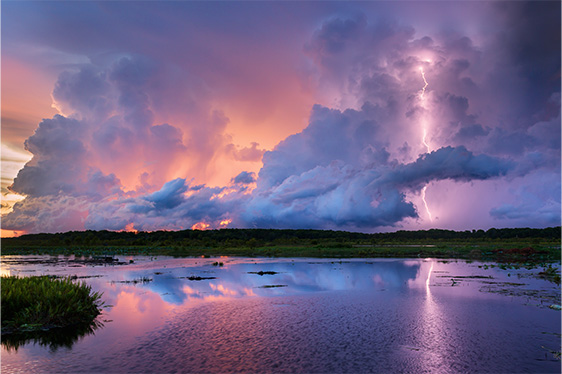
Thunderstorms can produce lightning, heavy rain, and powerful wind gusts. Cyclones can bring destructive winds, coastal flooding, and intense precipitation. Dense fog reduces visibility, making road and air travel more difficult. Understanding these hazards helps communities prepare before conditions become dangerous.
Preparation begins with monitoring official forecasts and following local emergency instructions. Households can keep essential supplies accessible, charge communication devices, and understand evacuation guidance where relevant. During extreme heat, people should stay hydrated and seek cooler environments. During thunderstorms, they should move into substantial shelter and avoid open fields, isolated trees, and exposed water.
No forecast can eliminate every risk, but timely information and sensible preparation can reduce exposure to hazardous conditions.
Conclusion
Weather affects everyday decisions, economic activities, transportation, agriculture, and community safety. Understanding temperature, humidity, wind, precipitation, and atmospheric pressure makes forecasts easier to interpret and more useful in practical situations. Modern forecasting systems combine observations, satellites, radar, and computer models to estimate changing atmospheric conditions, although uncertainty remains an important consideration.
Distinguishing weather from climate also helps people understand immediate conditions without confusing them with long-term environmental patterns. By checking reliable local forecasts, monitoring official warnings, and preparing for seasonal changes, individuals can make better-informed decisions throughout the year. Whether planning a daily commute, arranging a holiday, or protecting a household during extreme conditions, weather awareness supports safer choices and more effective planning.