


Introduction
If you have encountered an unfamiliar building material and are wondering what does asbestos look like, it is important to understand that asbestos does not have one distinctive appearance. Asbestos refers to a group of naturally occurring mineral fibers that were widely used in construction and manufacturing because they resist heat, fire, and chemicals. Depending on how it was processed and mixed with other materials, asbestos-containing products can look very different from one another. Some may appear fibrous, while others can look like ordinary cement, insulation, tiles, or textured coatings.
The most important point is that visual inspection cannot reliably confirm whether a material contains asbestos. Many modern and older products can look similar even though they have completely different compositions. If a suspicious material is present in a building, especially an older one, disturbing it can potentially release harmful fibers. Understanding common appearances can help you recognize when professional assessment may be appropriate, but laboratory testing is generally needed for reliable identification.
What Does Asbestos Look Like?
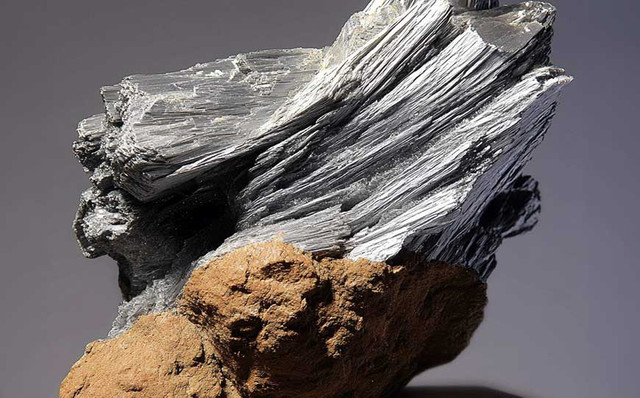
People often expect asbestos to look like a particular type of fluffy insulation or a collection of visible fibers. In reality, asbestos may be incorporated into many different products, which means its appearance depends on the material surrounding the fibers. Raw asbestos can appear as a soft, fibrous mineral with strands that may be white, gray, greenish, or other natural mineral colors. However, asbestos used in buildings was commonly combined with other substances, making the individual fibers difficult or impossible to see.
For this reason, what does asbestos look like is not always a simple visual question. A sheet of material, floor tile, pipe covering, roof product, or cement panel may look completely ordinary while containing asbestos. Some products may have a rough or textured surface, whereas others may be smooth and manufactured. Age, weathering, paint, dust, and later renovations can also change the original appearance. Therefore, appearance should be treated only as a reason to seek further assessment rather than proof of asbestos.
Common Colors and Textures
Asbestos itself can occur in several mineral forms and colors. Chrysotile, one of the most widely used forms, is commonly associated with white or pale fibers. Other asbestos minerals can have darker or more unusual colors. Once asbestos fibers are mixed into a manufactured product, however, the final color may be determined primarily by the other ingredients.
A material containing asbestos might therefore be white, gray, brown, beige, greenish, or another color. Its texture can also vary significantly. Some products may be dense and cement-like, while others may be soft, brittle, layered, or fibrous. Aged materials can become cracked, worn, or discolored over time. These characteristics can sometimes make an old product appear suspicious, but none of them can establish its composition. If you are researching what does asbestos look like because you have found a particular material, avoid relying on color or texture alone.
Where Asbestos May Be Found
Historically, asbestos was incorporated into a wide range of products. It was especially popular in construction because of its resistance to heat and fire. Older buildings may therefore contain asbestos-containing materials in several locations, although the presence of asbestos depends on the building’s age, construction methods, renovation history, and local regulations.
Potential locations have included insulation, roofing products, cement sheets, flooring materials, textured coatings, pipe insulation, and some other construction components. It is important to remember that not every old building material contains asbestos. Modern products can also resemble older asbestos-containing materials.
Common examples of products that historically could contain asbestos include:
- Insulation and pipe coverings
- Certain floor tiles and adhesives
- Some roofing and siding products
- Cement-based sheets and panels
- Some textured coatings and building materials
The safest approach is to avoid disturbing an unidentified older material simply to determine what it is.
Asbestos in Insulation
Insulation is one of the applications commonly associated with asbestos. Depending on its form and installation method, asbestos-containing insulation may appear loose, layered, wrapped around pipes, or incorporated into other insulation products. Some older insulation materials can look fluffy or fibrous, while others may appear dense or cement-like.
However, many non-asbestos insulation products have similar appearances. Fiberglass, mineral wool, cellulose, and other materials can all look fibrous or layered. Consequently, appearance alone cannot establish whether insulation contains asbestos.
If old insulation is damaged, crumbling, or being exposed during renovation, it is particularly important not to handle it unnecessarily. Professional inspectors can assess the material and determine whether sampling is appropriate. This is much safer than pulling apart insulation or scraping its surface to look for fibers.
Asbestos in Cement Products
Asbestos was historically added to cement-based products because the fibers could improve strength and resistance to heat. Asbestos-cement products may include sheets, panels, pipes, roofing materials, and other construction components.
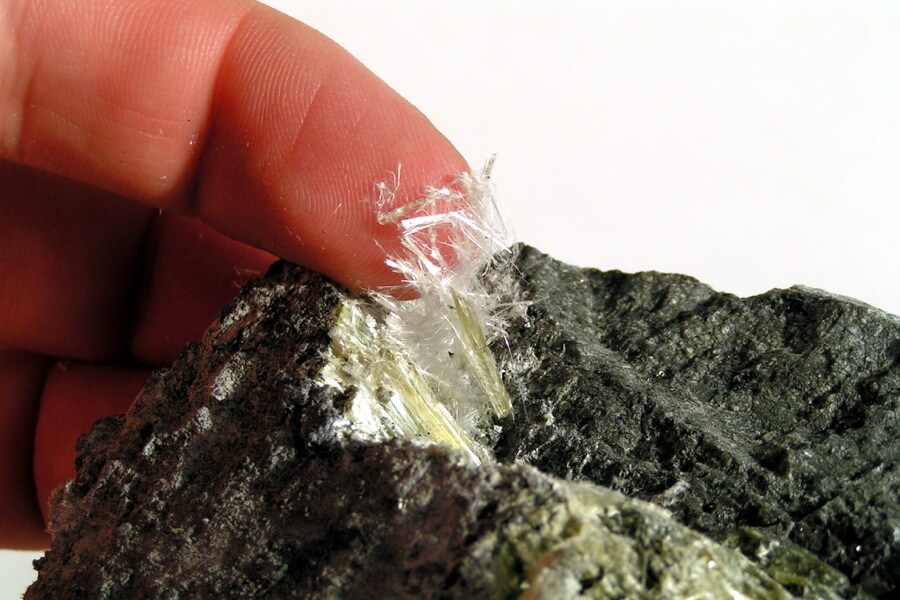 These materials can be especially difficult to identify visually because they may resemble ordinary cement products. They can have a gray, weathered, or painted surface and may become rougher as they age. The fibers are generally not something a person should try to expose intentionally.
When considering what does asbestos look like in a cement product, the key lesson is that an ordinary cement-like appearance does not rule asbestos in or out. A product’s age, original purpose, documentation, and professional testing are more useful than visual inspection alone.
Asbestos in Floor Tiles and Other Surfaces
Some older flooring materials and associated adhesives historically contained asbestos. These products can look similar to many ordinary modern tiles. They may be found in different colors and patterns, making visual identification particularly difficult.
Older floor tiles can remain intact for many years without necessarily releasing significant amounts of fibers. The risk can increase when materials are cut, sanded, drilled, scraped, or otherwise disturbed. For this reason, removing an old floor covering simply because you suspect it contains asbestos is not recommended.
If renovation work involves older flooring, professional advice can help determine whether testing or specialized removal procedures are necessary. Avoid sanding or mechanically breaking suspicious materials while trying to identify them.
Why Visual Identification Is Not Reliable
One of the biggest misconceptions surrounding asbestos is that it can always be recognized by sight. In reality, asbestos-containing materials can look almost identical to materials that do not contain asbestos. Even experienced professionals may need laboratory analysis to confirm the presence of asbestos.
A visual inspection can identify materials that warrant further investigation, but it cannot provide certainty. Microscopic fibers may be embedded within a product and invisible during an ordinary inspection. Paint, plaster, cement, adhesives, and other components can further hide the original material.
Therefore, if you are searching for what does asbestos look like because you are concerned about something in your home or workplace, do not attempt to prove its identity by breaking it open. Treat an uncertain older material cautiously until it has been appropriately assessed.
Quick Appearance Guide
| Material Type | Possible Appearance | Can Appearance Confirm Asbestos? |
|---|---|---|
| Loose insulation | Fibrous, fluffy, or layered | No |
| Cement products | Gray, rigid, or weathered | No |
| Floor tiles | Smooth, patterned, or plain | No |
| Pipe insulation | Wrapped, layered, or coated | No |
| Roofing materials | Sheet-like or textured | No |
| Textured coatings | Rough or patterned | No |
This table demonstrates why appearance should not be considered a definitive identification method. Similar-looking products can have completely different compositions.
What to Do If You Suspect Asbestos
If an older material looks unusual or you know it was installed during a period when asbestos-containing products were commonly used, the safest response is usually to avoid unnecessary disturbance. Do not scrape, drill, sand, cut, break, or remove the material simply to examine it more closely.
Useful precautions include:
- Leave the material undisturbed when possible.
- Keep people away from damaged or deteriorating material.
- Avoid creating dust around the suspected material.
- Seek advice from a qualified asbestos professional before renovation work.
If the material has already been disturbed, avoid sweeping or using methods that could spread dust. Professional guidance is appropriate when there is concern that asbestos fibers may have been released.
Professional Testing and Identification
Laboratory analysis is the reliable way to determine whether a suspect material contains asbestos. Depending on the situation, a qualified professional may inspect the building, assess the material’s condition, and determine whether sampling is appropriate. Samples should be collected using proper procedures because careless sampling can itself disturb the material.
Professional assessment is particularly important before renovation, demolition, or major repairs involving older building materials. The exact requirements for inspection, sampling, removal, and disposal vary by location, so local regulations should be followed.
Rather than trying to answer what does asbestos look like through photographs or visual comparisons, focus on whether the material requires professional assessment. This approach reduces the chance of accidentally disturbing a potentially hazardous product.
Conclusion
Understanding what does asbestos look like can be useful when recognizing materials that may require further investigation, but appearance alone cannot reliably identify asbestos. Asbestos can be incorporated into many different products, including insulation, cement materials, flooring, roofing products, and other building components. Its final appearance depends heavily on the product in which the fibers were used.
The safest approach is to avoid disturbing suspicious older materials and obtain professional advice when identification is necessary. Laboratory testing can provide a much more reliable answer than color, texture, age, or visual comparison. If renovation or demolition is planned, identifying potentially hazardous materials before work begins can help reduce unnecessary exposure and support safer handling procedures.