



Weather conditions can change throughout the day, making a current forecast useful for deciding what to wear, when to travel, whether to carry an umbrella, and how to organize outdoor activities. A reliable today weather update provides more than just a temperature. It can include rainfall chances, humidity, wind speed, cloud cover, visibility, air pressure, and other conditions that influence how the day feels.
Understanding these details helps people make practical decisions instead of relying only on a single temperature reading. A warm afternoon may still feel uncomfortable because of high humidity, while a cooler morning can become pleasant after sunlight increases. Similarly, a low chance of rain does not always mean that every location will remain completely dry.
What Does Today Weather Actually Tell You?
A daily weather forecast is a short-term assessment of atmospheric conditions expected during a particular day. It usually combines observations from weather stations, satellites, radar systems, computer forecasting models, and other meteorological sources.
When checking today weather, users commonly look first at the current temperature. However, the temperature alone provides only part of the picture. A complete forecast may show the expected high and low temperatures, precipitation probability, wind direction, humidity, cloud conditions, and sunrise or sunset information.
For example, a forecast showing 30°C may feel different depending on humidity and wind. A breezy day can feel more comfortable, while stagnant air and high humidity may make the same temperature feel warmer.
Key Elements to Check in a Daily Forecast
A useful forecast becomes easier to understand when its main components are considered separately. Each measurement describes a different aspect of the atmosphere.
Temperature indicates how warm or cold the air is expected to be. The daily high generally represents the warmest period, while the low usually occurs overnight or around early morning.
Precipitation information describes the possibility of rain, snow, sleet, or other forms of water reaching the ground. The percentage associated with precipitation should not automatically be interpreted as the percentage of the day that will experience rain.
Wind speed and direction are also important. Strong winds can affect outdoor comfort, driving conditions, cycling, boating, and other activities. Wind direction indicates where the air is coming from.
Humidity describes the amount of moisture in the air. High humidity can make warm conditions feel hotter because evaporation of sweat becomes less efficient. Low humidity can make the air feel dry, especially during colder or arid conditions.
Cloud cover affects sunlight and daytime temperatures. Clear skies can allow stronger solar heating, while extensive cloud cover may reduce daytime warming.
How to Read the Forecast More Effectively
People sometimes focus only on the large temperature number displayed by a weather application. A better approach is to examine the forecast as a combination of several indicators.
For today weather, start with the current conditions and then check the hourly forecast. The hourly view can reveal whether rain is expected mainly in the morning, afternoon, or evening. This can be more useful than looking only at the daily summary.
Next, compare the expected high and low temperatures. This gives you an idea of how conditions may change between morning and afternoon. Then check wind and humidity because these factors can influence how the temperature actually feels.
If rain is possible, examine the precipitation timing and expected intensity when available. A short shower may have very different consequences from several hours of continuous rainfall.
Today Weather and the Feels-Like Temperature
The temperature displayed in a forecast does not always match how the human body experiences outdoor conditions. This is why many weather services provide a “feels like” temperature.
During hot weather, humidity can make conditions feel warmer than the measured air temperature. During cold weather, wind can increase the rate at which the body loses heat, producing a colder sensation.
The following table shows how common forecast elements can support everyday planning:
| Weather Element | What It Indicates | Why It Matters |
|---|---|---|
| Temperature | Expected air warmth or cold | Helps choose clothing and plan activities |
| Feels-like temperature | Perceived outdoor temperature | Shows the effect of humidity or wind |
| Precipitation | Possibility of rain or other precipitation | Helps with travel and outdoor plans |
| Wind speed | Movement of air | Important for comfort and outdoor safety |
| Humidity | Moisture in the atmosphere | Influences comfort and perceived heat |
| Cloud cover | Amount of visible cloud | Affects sunlight and daytime heating |
| Visibility | Distance that can be clearly seen | Useful for transportation planning |
Why Hourly Forecasts Can Be More Useful
A daily forecast can provide a convenient overview, but hourly information often gives greater detail. Weather conditions are rarely identical from sunrise to sunset.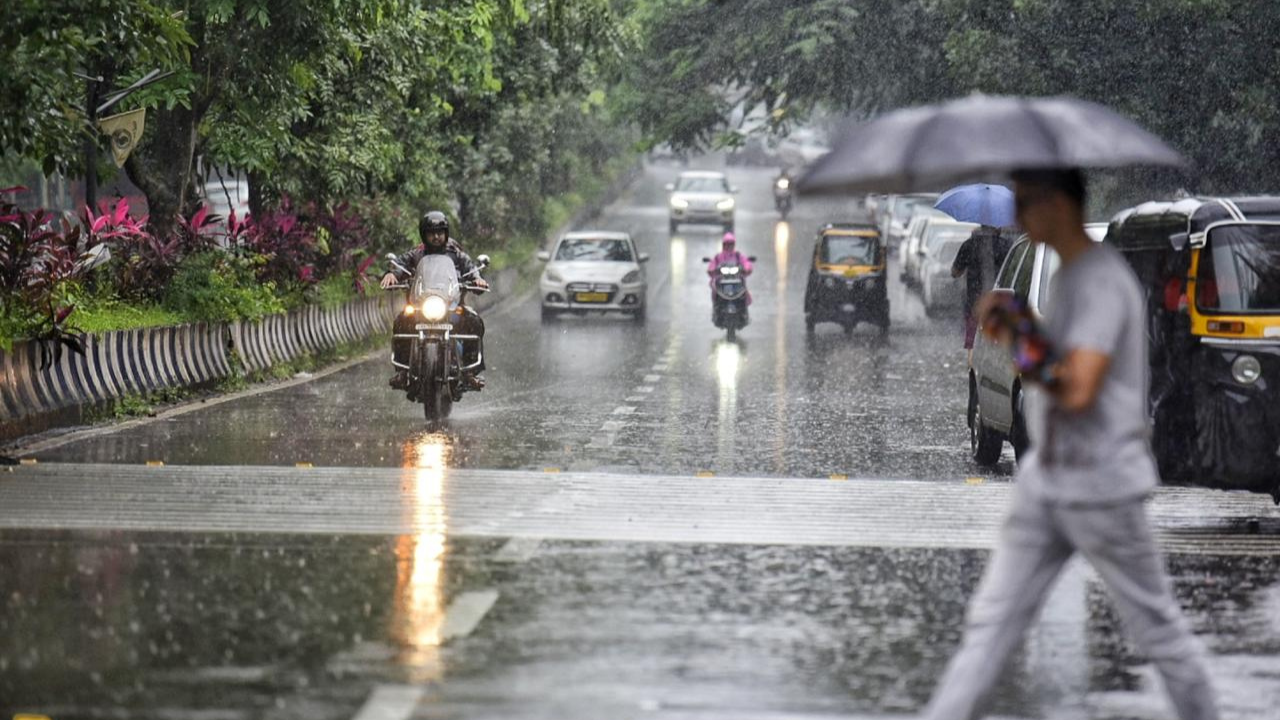
Someone planning an outdoor event may discover that the morning is dry while showers are expected later. A commuter may find that strong winds are concentrated during one part of the day. A traveler can use hourly conditions to understand when visibility or rainfall may become an issue.
Checking an hourly forecast also encourages users to think about changing conditions rather than assuming the entire day will have one consistent pattern.
Using Weather Information for Travel
Weather can influence nearly every type of journey. Drivers may need to consider heavy rain, strong winds, fog, or reduced visibility. People traveling by motorcycle or bicycle may pay particular attention to wind and precipitation.
For longer journeys, checking today weather at both the departure location and destination can provide a more complete picture. Conditions may differ significantly between nearby areas, especially when terrain, elevation, coastlines, or local weather systems influence the atmosphere.
Travelers should also remember that forecasts are estimates. Conditions can develop differently from expectations, so official weather warnings should receive particular attention when severe conditions are possible.
Planning Outdoor Activities Around Weather
Outdoor plans are often easier to manage when weather information is checked before leaving home. Activities such as walking, jogging, hiking, photography, gardening, sports, and sightseeing can all be affected by atmospheric conditions.
Instead of asking only whether it will rain, consider the complete combination of conditions. A cloudy but dry morning may be comfortable for a walk, while a sunny afternoon with extreme heat may require more preparation.
For outdoor activities, useful considerations include:
- Expected temperature and feels-like temperature
- Rain probability and timing
- Wind speed and direction
- Humidity levels
- Cloud cover and sunlight
- Local weather alerts
This approach makes forecast information more practical because it connects weather data with the actual activity being planned.
How Weather Forecasts Are Created
Modern forecasts rely on multiple sources of atmospheric information. Weather stations measure conditions near the ground, while satellites observe cloud patterns and large-scale atmospheric systems. Radar can help identify precipitation and monitor developing storms.
Meteorologists and forecasting systems combine these observations with numerical weather prediction models. These models use mathematical calculations to simulate how the atmosphere may evolve over time.
Forecast accuracy generally decreases as the prediction period becomes longer. A forecast for the immediate future can benefit from current observations, while conditions several days away involve greater uncertainty.
That is why it is useful to refresh the forecast when making plans that depend heavily on specific weather conditions.
Understanding Rain Probability
One of the most commonly misunderstood forecast features is the probability of precipitation. A percentage does not necessarily mean that rain will continue for that same percentage of the day.
Instead, precipitation probability is related to the likelihood of measurable precipitation occurring at a location or within the relevant forecast area, depending on how the weather service defines and presents it.
For this reason, a forecast should be read alongside timing and intensity information when those details are available. A moderate rain chance may not affect every neighborhood equally, particularly when showers are scattered.
Weather Changes Between Nearby Locations
Weather can vary considerably over relatively short distances. Mountains, coastlines, urban areas, vegetation, and elevation can all influence local conditions.
For example, one part of a city may receive a brief shower while another remains dry. Similarly, temperatures can differ between a densely built urban area and a less developed location nearby.
This is why location-specific forecasting is generally more useful than relying on a broad regional description. When checking today weather, selecting the correct city or location can make the information considerably more relevant.
How to Use Weather Apps Responsibly
Weather applications make forecast information easy to access, but users should understand that different services may display slightly different predictions. Differences can occur because services use different forecasting models, data sources, update schedules, or methods of presenting uncertainty.
For routine activities, comparing a current forecast with an official meteorological service can be useful. For severe weather, official warnings and alerts should receive priority over casual forecast summaries.
It is also important to distinguish weather forecasts from climate information. Weather describes short-term atmospheric conditions, while climate examines patterns over much longer periods.
Building a Simple Daily Weather Routine
Checking the forecast does not need to become complicated. A short routine can provide most of the information needed for an ordinary day.
First, check the current temperature and conditions. Then review the expected high and low. Look at the hourly precipitation forecast, especially if you have outdoor plans. Finally, check wind, humidity, and any active weather warnings.
A person commuting early may care most about morning temperature and rain. Someone planning an afternoon activity may focus on heat, humidity, and precipitation later in the day. The most useful forecast is therefore the one that matches the timing and nature of the activity.
Conclusion
Understanding today weather involves more than checking a single temperature value. Temperature, precipitation, wind, humidity, cloud cover, visibility, and feels-like conditions work together to describe what people can expect outside.
A thoughtful approach is to check current conditions, review hourly changes, consider the needs of the day’s activities, and pay attention to official warnings when severe weather is possible. Forecasts are valuable planning tools, but they are estimates and can change as new atmospheric information becomes available.
By learning how to interpret these different elements, people can make better everyday decisions about clothing, commuting, travel, exercise, outdoor events, and household activities. Rather than treating a forecast as a simple yes-or-no answer about rain or sunshine, use it as a collection of useful information about how conditions may develop throughout the day.