



Introduction
Asbestos exposure is an important workplace and environmental safety concern because asbestos fibers can become airborne when asbestos-containing materials are disturbed. Asbestos refers to a group of naturally occurring mineral fibers that were widely used because they are strong, heat-resistant, and resistant to chemicals. For many years, asbestos was incorporated into building materials, insulation, roofing products, flooring, cement products, and various industrial applications. The danger occurs when microscopic fibers are released into the air and inhaled or, in some circumstances, swallowed. Because the fibers can remain in the body for a long time, some asbestos-related diseases may develop decades after exposure.
Understanding where asbestos may be present, how exposure happens, and how to reduce unnecessary contact can help people make safer decisions. Workers involved in renovation, demolition, construction, maintenance, and older-building repairs may have a higher chance of encountering asbestos-containing materials. However, simply being near an older building does not automatically mean someone has been exposed to a harmful level of asbestos.
What Is Asbestos Exposure?
Asbestos exposure happens when a person comes into contact with airborne asbestos fibers, particularly when asbestos-containing materials are damaged, cut, drilled, sanded, broken, or removed improperly. Intact materials that contain asbestos may not release significant fibers if they remain undisturbed and in good condition. The greatest concern generally arises when materials become damaged or are handled without appropriate controls.
Asbestos fibers are extremely small and cannot always be seen with the naked eye. Once airborne, they can potentially be inhaled. The risk associated with exposure depends on several factors, including the concentration of fibers in the air, how long exposure occurs, how frequently it occurs, and the type of work being performed. Occupational exposure has historically been an important source of asbestos-related disease, particularly among workers who regularly handled asbestos-containing products.
Where Can Asbestos Be Found?
Asbestos was used in many products, especially in older buildings and industrial settings. Its presence can vary depending on the age of a structure, local regulations, construction practices, and the materials originally used. Possible locations include insulation around pipes and boilers, roofing materials, floor tiles, ceiling products, cement sheets, textured coatings, and certain older electrical or industrial components.
It is not always possible to identify asbestos simply by looking at a material. Some products may resemble ordinary construction materials but contain asbestos. For this reason, people should avoid disturbing suspicious materials in older buildings simply to determine what they are. When renovation or demolition could disturb potentially asbestos-containing material, professional assessment and appropriate procedures are safer than attempting to investigate it personally.
Common Situations That Can Cause Exposure
The possibility of asbestos exposure is higher when materials containing asbestos are disturbed and fibers become airborne. Construction and renovation activities can create particular concerns in older structures. Drilling into walls, removing insulation, sanding flooring, cutting cement products, or demolishing old building components may release fibers if asbestos is present.
Occupational settings have historically presented significant risks. Certain construction workers, maintenance personnel, insulation workers, shipyard workers, industrial workers, and demolition workers may encounter asbestos-containing materials. Family members of heavily exposed workers can also potentially encounter fibers carried home on contaminated clothing or equipment, which is why workplace hygiene and appropriate protective procedures are important.
Health Risks Associated With Asbestos
The health effects associated with asbestos can be serious. Inhaled asbestos fibers may become lodged in lung tissue and can cause inflammation and scarring. Some diseases associated with asbestos exposure develop only after a long latency period, meaning symptoms may not appear for many years or even decades after exposure.
Health conditions associated with asbestos include asbestosis, certain types of lung cancer, and mesothelioma, a rare cancer strongly associated with asbestos exposure. Asbestos exposure can also increase the risk of lung cancer, particularly among people who smoke. The level and duration of exposure can influence risk, but there is no simple way to determine an individual’s future health outcome based only on a past exposure event.
Major Health Concerns
- Asbestosis, a long-term scarring condition affecting the lungs.
- Lung cancer associated with asbestos exposure.
- Mesothelioma, a rare cancer affecting tissues such as the lining of the lungs.
- Other asbestos-related changes affecting the lungs and surrounding tissues.
Symptoms That May Need Medical Attention
Asbestos-related diseases often do not cause immediate symptoms after exposure. Their long latency period means that a person may feel completely healthy for many years. When disease develops, symptoms can vary depending on the condition and its severity.
 Possible symptoms can include persistent cough, shortness of breath, chest discomfort, reduced exercise tolerance, or unexplained weight loss. These symptoms are not specific to asbestos-related diseases and can occur for many other reasons. Therefore, experiencing one of these symptoms does not automatically mean a person has an asbestos-related illness.
People who have a history of significant occupational exposure should tell their healthcare professional about that history, particularly if they develop persistent respiratory symptoms. A healthcare professional can determine whether further evaluation is appropriate based on the individual’s medical and occupational history.
Asbestos Exposure Risk Table
| Situation | Potential Concern | Safer Approach |
|---|---|---|
| Intact suspected material | Usually less likely to release fibers when undisturbed | Avoid disturbing it |
| Renovating an older building | Materials may be damaged during work | Arrange professional assessment |
| Demolition work | High potential for disturbing hidden materials | Follow applicable safety procedures |
| Cutting or drilling old materials | Can create airborne dust | Stop and seek appropriate guidance |
| Workplace handling | Repeated exposure may increase risk | Use required controls and protective equipment |
| Contaminated work clothing | Fibers may potentially be carried home | Follow workplace decontamination procedures |
How to Reduce Asbestos Exposure
The most effective way to reduce unnecessary exposure is to avoid disturbing materials that may contain asbestos. If an older building is undergoing renovation, demolition, or major repairs, appropriate assessment should be considered before work begins. Depending on local requirements, qualified professionals may need to identify, sample, manage, or remove asbestos-containing materials.
People should not sweep, sand, drill, cut, scrape, or break suspicious materials merely to see what they contain. Ordinary household cleaning methods may also be inappropriate if asbestos-containing dust has been released. Professional asbestos-management procedures can help control the spread of fibers and reduce unnecessary exposure.
Workplace Safety and Protective Measures
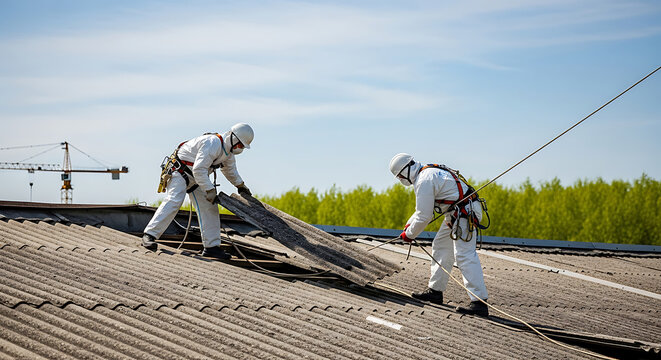
Workplaces where asbestos may be present should use appropriate controls to prevent fibers from becoming airborne. Depending on the activity and local regulations, these controls may include restricted work areas, specialized respiratory protection, protective clothing, controlled removal procedures, ventilation strategies, and proper waste handling.
Workers should receive appropriate training before performing tasks that could disturb asbestos-containing materials. Protective equipment should not be considered a substitute for proper work practices and engineering controls. Employers and workers should follow the occupational safety requirements that apply in their jurisdiction.
What Should You Do After Possible Exposure?
A single possible exposure does not necessarily mean that a person will develop an asbestos-related disease. Risk depends on factors such as the intensity, duration, and frequency of exposure. Nevertheless, people who believe they have experienced significant exposure should document what happened, including the material involved, the type of work performed, the approximate duration, and whether protective measures were used.
If the exposure occurred at work, reporting the incident through the appropriate workplace safety process can be useful. A healthcare professional can also discuss the exposure history and determine whether any evaluation or monitoring is appropriate. People should avoid assuming that they need a particular medical test solely because they were near a material that might contain asbestos.
Can Asbestos Exposure Be Prevented?
Prevention is possible when potential asbestos-containing materials are identified and managed correctly. Older buildings should be approached carefully during renovation because asbestos may be hidden in materials that are not immediately recognizable. Before beginning significant construction work, property owners and contractors should consider whether an asbestos assessment is required.
Good planning can prevent accidental disturbance. Workers should understand which areas are restricted, what procedures must be followed, and how potentially contaminated materials and waste should be handled. Appropriate training, protective equipment, and professional removal procedures can substantially reduce the chance of fibers becoming airborne.
Why Early Awareness Matters
Awareness is particularly important because asbestos-related diseases can have long latency periods. People who worked for years in industries where asbestos was commonly used may not realize that their previous occupational environment is relevant to their current health history. Keeping accurate information about past jobs and potential workplace exposures can help healthcare professionals understand important risk factors.
Awareness also helps prevent unnecessary exposure during home improvement projects. Many people assume that older building materials are automatically safe to disturb, but visual inspection alone cannot reliably determine whether asbestos is present. Taking a cautious approach is preferable to creating dust from an unknown material.
Conclusion
Asbestos exposure remains an important safety issue because inhaled asbestos fibers can contribute to serious diseases, sometimes after a very long delay. The risk is particularly relevant when asbestos-containing materials are damaged or disturbed during construction, renovation, maintenance, or demolition. Understanding potential sources and avoiding unnecessary disturbance are important steps toward prevention.
People who may have experienced significant exposure should keep a record of the circumstances and discuss relevant concerns with an appropriate healthcare professional or workplace safety specialist. Suspected asbestos-containing materials should not be casually cut, drilled, sanded, or removed. With proper identification, professional management, appropriate workplace controls, and informed decision-making, unnecessary exposure can be reduced.