



Introduction
Asbestos exposure can happen when asbestos-containing materials are damaged, disturbed, or deteriorate over time. Asbestos is a group of naturally occurring mineral fibers that was widely used in construction, insulation, roofing, flooring, and various industrial products because of its strength and resistance to heat. Although many countries have restricted or banned particular asbestos uses, older buildings and products may still contain it. The major concern is that tiny fibers can become airborne and enter the body when materials containing asbestos are cut, broken, drilled, sanded, or improperly removed. Understanding where asbestos may be present and how exposure happens can help people make safer decisions. Because asbestos-related diseases can develop many years after exposure, awareness and prevention remain important for homeowners, workers, renovation professionals, and anyone involved with older structures.
What Is Asbestos?
Asbestos refers to several naturally occurring mineral fibers known for their durability, flexibility, and resistance to heat and chemicals. These characteristics made asbestos useful in numerous products, particularly throughout the twentieth century. It could be incorporated into cement, insulation, ceiling materials, floor tiles, roofing products, pipes, electrical components, and other construction materials. When asbestos-containing materials remain intact and undisturbed, the risk of releasing fibers can be considerably lower. The greater concern occurs when the material becomes damaged or is disturbed during renovation, demolition, maintenance, or repairs.
There are different types of asbestos fibers, including chrysotile, amosite, and crocidolite. They can have different physical properties, but inhaling asbestos fibers can create serious health concerns. Importantly, asbestos cannot always be identified simply by looking at a material. A material that appears old, fibrous, or unusual is not necessarily asbestos-containing, while asbestos-containing material may look ordinary. Proper identification generally requires assessment and, when appropriate, testing by qualified professionals.
How Does Asbestos Exposure Occur?
Asbestos exposure generally occurs when microscopic fibers become airborne and are inhaled. This can happen when asbestos-containing products are disturbed through cutting, drilling, sanding, scraping, breaking, or demolition. Renovation work in older homes and commercial buildings can therefore present a potential risk if materials have not been assessed before work begins. Workers in construction, demolition, maintenance, insulation, and certain industrial environments may have historically faced greater exposure.
People can also encounter asbestos fibers indirectly. For example, workers who handle asbestos-containing materials may unintentionally bring fibers home on clothing, footwear, or equipment if appropriate workplace controls are not followed. Family members could then potentially encounter contaminated dust. However, simply being near an old building does not automatically mean that a person has experienced dangerous exposure. Risk depends on factors such as whether asbestos was present, whether fibers became airborne, the concentration of fibers, the duration of exposure, and the type of work involved.
Common Places Where Asbestos May Be Found
Older buildings can contain asbestos in many different materials. Its presence cannot always be determined from appearance alone, which is why disturbing questionable materials during renovation can be risky.
Some locations or products that may contain asbestos include:
- Insulation around pipes, boilers, or heating systems
- Older ceiling and wall materials
- Vinyl floor tiles and flooring adhesives
- Roofing and siding products
- Cement sheets and other construction materials
- Certain older insulation boards
- Some fire-resistant materials and industrial products
The age of a building can provide useful context, but it does not prove that asbestos is present or absent. Building records, professional inspections, and laboratory analysis may be needed to determine whether a particular material contains asbestos.
Health Risks Associated With Asbestos
The primary health concern associated with asbestos is inhalation of airborne fibers. Once inhaled, some fibers can remain in the body for a long time and may contribute to inflammation and tissue damage. Asbestos exposure has been associated with serious diseases affecting the lungs and other tissues. These conditions may develop after a long latency period, meaning symptoms may not appear until decades after the exposure occurred.
Important diseases associated with asbestos include asbestosis, lung cancer, and mesothelioma. Asbestos exposure can also increase the risk of lung cancer, particularly among people who smoke or have other risk factors. The amount and duration of exposure can influence risk, but there is no simple way to predict an individual’s future health outcome based solely on a single exposure event.
Asbestosis
Asbestosis is a chronic lung condition involving scarring of lung tissue. It can cause breathing difficulties, persistent coughing, and reduced lung function. The condition generally develops after significant or prolonged exposure rather than from simply living in a building where asbestos-containing materials are present.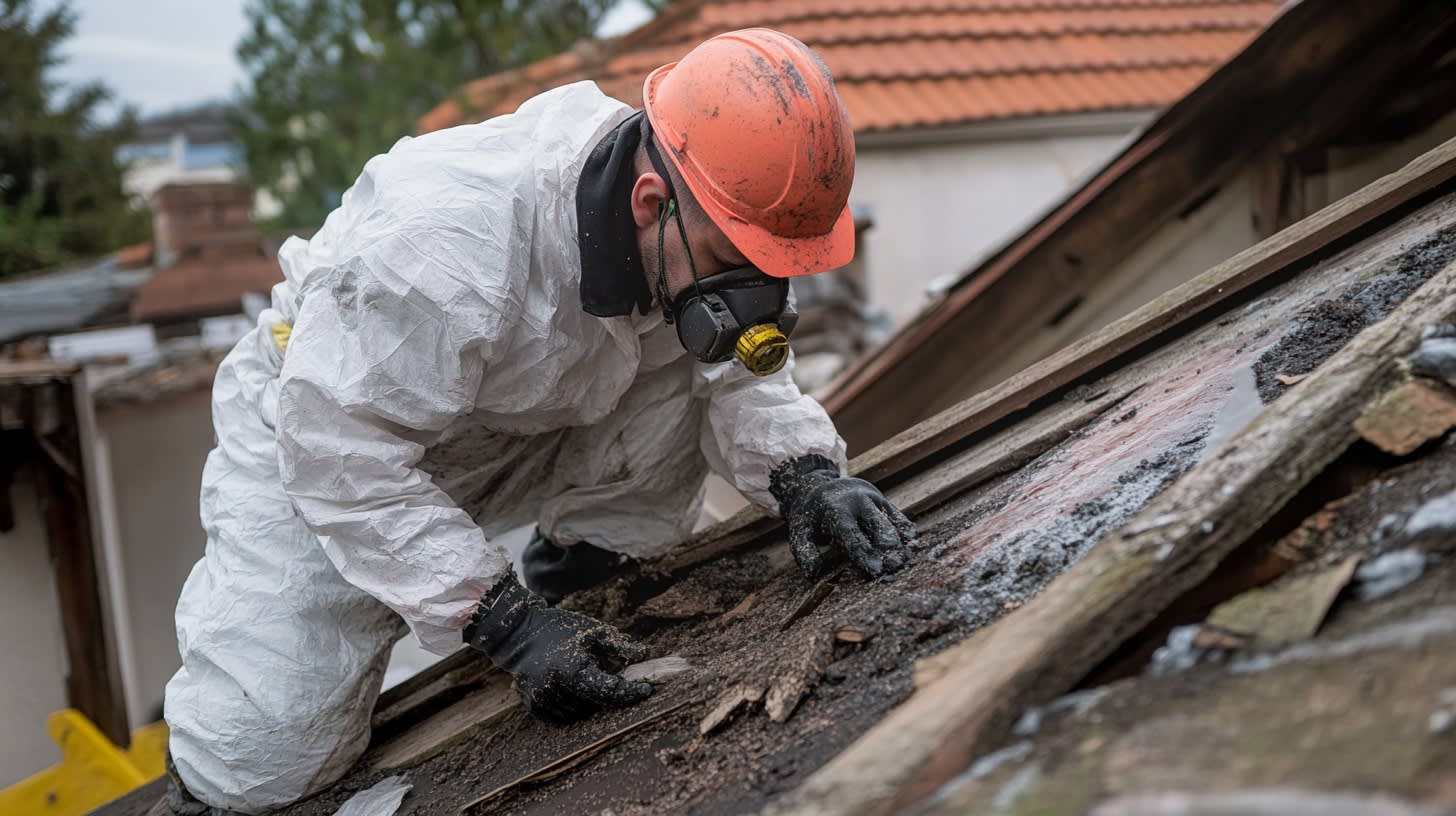
Mesothelioma
Mesothelioma is a rare and serious cancer associated with asbestos exposure. It most commonly affects the lining surrounding the lungs, although it can occur in other areas of the body. Because the disease can have a long latency period, diagnosis may occur many years after the original exposure.
Symptoms to Know About
Asbestos-related diseases can take many years to develop, so symptoms are not necessarily immediate after exposure. A person who believes they may have encountered asbestos should not rely on symptoms alone to determine whether exposure occurred. Medical evaluation may be appropriate when there is a history of significant or occupational exposure.
Possible symptoms associated with asbestos-related lung diseases can include:
- Persistent or worsening cough
- Shortness of breath
- Chest discomfort or pain
- Unexplained fatigue
- Difficulty breathing during physical activity
- Unexplained weight loss in some serious conditions
These symptoms can have many possible causes and do not automatically indicate an asbestos-related disease. Anyone experiencing persistent or concerning respiratory symptoms should discuss them with a qualified healthcare professional.
Asbestos Exposure and Older Buildings
Older homes, schools, factories, offices, and other structures may contain materials manufactured before modern restrictions became widespread. This makes renovation and demolition activities particularly important from a safety perspective. A homeowner may want to remove an old floor, replace insulation, drill through a wall, or repair a ceiling without realizing that the material could contain asbestos.
The safest approach is to avoid disturbing suspicious materials until their composition is understood. Professional asbestos inspectors or appropriately qualified contractors can assess materials and determine whether testing or specialized removal procedures are necessary. Ordinary household cleaning or sweeping may not be suitable if asbestos-containing dust has already been released, because these activities can potentially disturb settled fibers.
What to Do If You Suspect Asbestos
If you suspect that a building material contains asbestos, avoid breaking, cutting, drilling, sanding, or scraping it. Do not attempt to remove questionable material simply because it appears damaged or old. Instead, limit access to the area and seek advice from an appropriately qualified asbestos professional.
A practical safety approach includes:
- Stop work that could disturb the suspected material.
- Keep people away from the immediate area.
- Avoid sweeping, sanding, or using methods that could spread dust.
- Contact a qualified professional for assessment.
- Follow applicable regulations for testing, containment, and removal.
Whether removal is necessary depends on the condition and location of the material. In some circumstances, leaving intact asbestos-containing material undisturbed or professionally managed may be safer than unnecessary removal.
Asbestos Exposure Risk: Key Factors
The potential risk from asbestos exposure is influenced by several factors rather than simply whether asbestos exists in a building. The following table provides a general overview.
| Factor | Why It Matters |
|---|---|
| Material condition | Damaged materials can release fibers more easily |
| Type of activity | Cutting, drilling, sanding, and demolition can increase airborne fibers |
| Duration | Longer or repeated exposure can increase cumulative exposure |
| Concentration | Higher airborne fiber levels generally create greater concern |
| Protective controls | Proper containment and protective procedures can reduce exposure |
| Work environment | Poor ventilation or uncontrolled dust can increase potential spread |
These factors should not be used to calculate an individual’s personal health risk. A qualified professional is better positioned to evaluate a specific workplace, building, or exposure situation.
Preventing Unnecessary Exposure
Prevention is one of the most effective ways to reduce asbestos-related health risks. Property owners should consider professional assessment before major renovation work in older buildings. Employers should also follow applicable occupational safety requirements and provide appropriate training, controls, and protective equipment for workers who may encounter asbestos.
Workers should never assume that an unfamiliar insulation, board, tile, ceiling material, or pipe covering is safe to disturb simply because it looks harmless. Proper procedures can help prevent fibers from becoming airborne and spreading into other areas.
For homeowners, the most important principle is simple: do not disturb a material that may contain asbestos until it has been properly assessed.
What Happens During Professional Removal?
When asbestos-containing material must be removed, qualified professionals generally use procedures designed to prevent fibers from spreading. Depending on the situation, this can involve restricting access, establishing controlled work areas, using specialized protective equipment, carefully removing materials, and applying appropriate cleanup methods.
The exact requirements depend on local laws, the type of material, its condition, and the scale of the project. Professional removal is particularly important when materials are damaged or when renovation activities could release substantial amounts of dust.
Trying to remove asbestos-containing materials without appropriate knowledge and equipment can increase the chance of spreading fibers. Professional assessment is therefore an important part of responsible asbestos management.
When Should You Seek Medical Advice?
People who have experienced occupational or substantial asbestos exposure may wish to discuss their exposure history with a healthcare professional. Medical professionals can consider the person’s work history, smoking history, symptoms, and other relevant factors when deciding whether further evaluation is appropriate.
It is important to remember that asbestos-related illnesses can have long latency periods. The absence of immediate symptoms does not necessarily tell someone whether an exposure was harmful. At the same time, a brief suspected exposure does not mean that a person will definitely develop an asbestos-related disease.
Keeping records of known occupational exposure, building work, and other relevant circumstances can be useful when discussing concerns with a healthcare provider.
Conclusion
Asbestos exposure remains an important safety concern because asbestos-containing materials can still exist in older buildings and products. The greatest concern occurs when these materials are damaged or disturbed and microscopic fibers become airborne. Diseases associated with asbestos can take many years to develop, making prevention and responsible handling especially important. Homeowners, workers, and renovation professionals should avoid disturbing suspicious materials and seek qualified assessment when asbestos may be present. Professional testing, controlled removal, appropriate workplace procedures, and good safety practices can help reduce unnecessary exposure. Understanding the potential locations, risks, warning signs, and prevention methods surrounding asbestos exposure allows people to make better-informed decisions when maintaining, renovating, or working in older buildings.