



Introduction
Asbestos is a naturally occurring mineral that became widely used because of its strength, heat resistance, and ability to withstand chemicals. For many decades, it was included in construction materials, insulation, roofing products, floor tiles, cement products, and various industrial applications. Although it can be useful when properly contained, damaged or disturbed asbestos-containing materials can release tiny fibers into the air. Breathing these fibers can create serious health risks, particularly after repeated or prolonged exposure.
Today, asbestos remains an important safety concern in older buildings, industrial facilities, renovation projects, and demolition work. The material may not always be easy to identify by appearance alone, which makes professional assessment especially important. Understanding where asbestos may be found, how exposure occurs, and what precautions should be taken can help reduce unnecessary risks. This guide explains the basic characteristics of asbestos, its historical uses, potential health effects, common locations, and important safety practices.
What Is Asbestos?
Asbestos refers to a group of naturally occurring fibrous minerals. These minerals have thin, durable fibers that can resist heat, fire, electricity, and chemical damage. Because of these properties, asbestos became attractive to manufacturers and construction industries during the 20th century.
There are several types of asbestos minerals, but they are generally classified into two major groups based on their fiber structure: serpentine and amphibole. Chrysotile belongs to the serpentine group, while amosite and crocidolite are examples of amphibole asbestos. Each type has different physical characteristics, but inhaling asbestos fibers can be hazardous.
One important characteristic is that asbestos-containing material may not present an immediate visible danger when it is intact and undisturbed. The greater concern arises when materials are damaged, cut, drilled, sanded, scraped, broken, or otherwise disturbed. These activities can release microscopic fibers into the surrounding air.
Why Was Asbestos Used So Widely?
The popularity of asbestos came from its combination of practical properties and relatively low cost. Manufacturers could incorporate its fibers into numerous products to improve durability and resistance to heat and fire.
During periods of rapid industrial and urban development, asbestos was used extensively in residential, commercial, and industrial construction. It could be mixed with cement, incorporated into insulation, or added to other materials to increase strength and durability.
Common historical uses included:
- Insulation around pipes, boilers, and heating systems
- Roofing sheets and building panels
- Floor tiles and ceiling materials
- Cement products
- Certain fire-resistant materials
- Some older insulation and construction products
Although regulations have reduced or restricted many uses in numerous countries, older buildings may still contain asbestos-containing materials.
Where Can Asbestos Be Found?
Asbestos can occur in many different materials, especially in buildings constructed or renovated during periods when its use was common. It is not necessarily limited to industrial locations. Homes, schools, offices, factories, hospitals, and other structures may contain asbestos-containing materials.
Potential locations can include insulation around pipes and heating equipment, older roofing materials, floor tiles, ceiling materials, wall products, and certain cement-based construction materials. Some older electrical components and fire-resistant products may also have contained asbestos.
However, identifying asbestos based solely on appearance is unreliable. Materials that look similar can have completely different compositions. If an older building contains a material suspected of containing asbestos, disturbing it without appropriate assessment can create unnecessary exposure.
How Does Asbestos Exposure Occur?
Exposure generally occurs when asbestos-containing materials release fibers into the air. A person can then inhale or, less commonly, swallow these microscopic fibers.
Normal aging of a material may sometimes contribute to deterioration, but activities such as renovation and demolition can create a greater opportunity for fibers to become airborne. Drilling, cutting, sanding, scraping, breaking, or removing suspected materials can be particularly concerning.
Workers in construction, renovation, demolition, insulation, shipbuilding, and certain industrial occupations have historically faced higher exposure risks. Family members of workers may also have experienced exposure when fibers were unintentionally carried home on clothing or equipment.
The risk associated with exposure depends on factors such as the concentration of airborne fibers, duration and frequency of exposure, and the type of work being performed.
Health Risks Associated With Asbestos
Asbestos exposure is associated with several serious diseases. The effects may not appear immediately. In some cases, there can be a long period between exposure and the development of disease, which makes historical exposure important when considering health risks.
One major condition is asbestosis, a chronic lung disease involving scarring of lung tissue. Asbestos exposure is also associated with lung cancer and mesothelioma, a rare but serious cancer affecting the lining of certain organs, most commonly the lungs.
Some evidence also links asbestos exposure with cancers affecting other parts of the body. Smoking can substantially increase the risk of lung cancer among people who have been exposed to asbestos.
Possible health conditions associated with asbestos exposure include:
| Health condition | General description |
|---|---|
| Asbestosis | Scarring of lung tissue that can affect breathing |
| Lung cancer | Malignant disease affecting lung tissue |
| Mesothelioma | Rare cancer associated strongly with asbestos exposure |
| Pleural disease | Changes affecting the lining around the lungs |
Because these diseases can develop many years after exposure, people should not assume that the absence of immediate symptoms means there is no potential health concern.
Symptoms That May Be Associated With Exposure
Asbestos-related diseases can develop gradually, and symptoms vary depending on the condition. Some people may have no noticeable symptoms for many years. When disease develops, symptoms can include persistent coughing, shortness of breath, chest discomfort, fatigue, or reduced exercise tolerance.
These symptoms are not specific to asbestos-related diseases and can occur for many other reasons. Therefore, symptoms alone cannot establish whether asbestos exposure has caused a health problem.
Anyone who has a significant history of occupational or environmental exposure should discuss that history with a qualified healthcare professional. Providing information about the type of work, approximate exposure period, and workplace environment can help the professional understand the individual’s background.
How Can Asbestos Exposure Be Prevented?
The most effective way to reduce exposure is to avoid disturbing materials that may contain asbestos. People should not assume that an older building is asbestos-free simply because the material cannot be seen.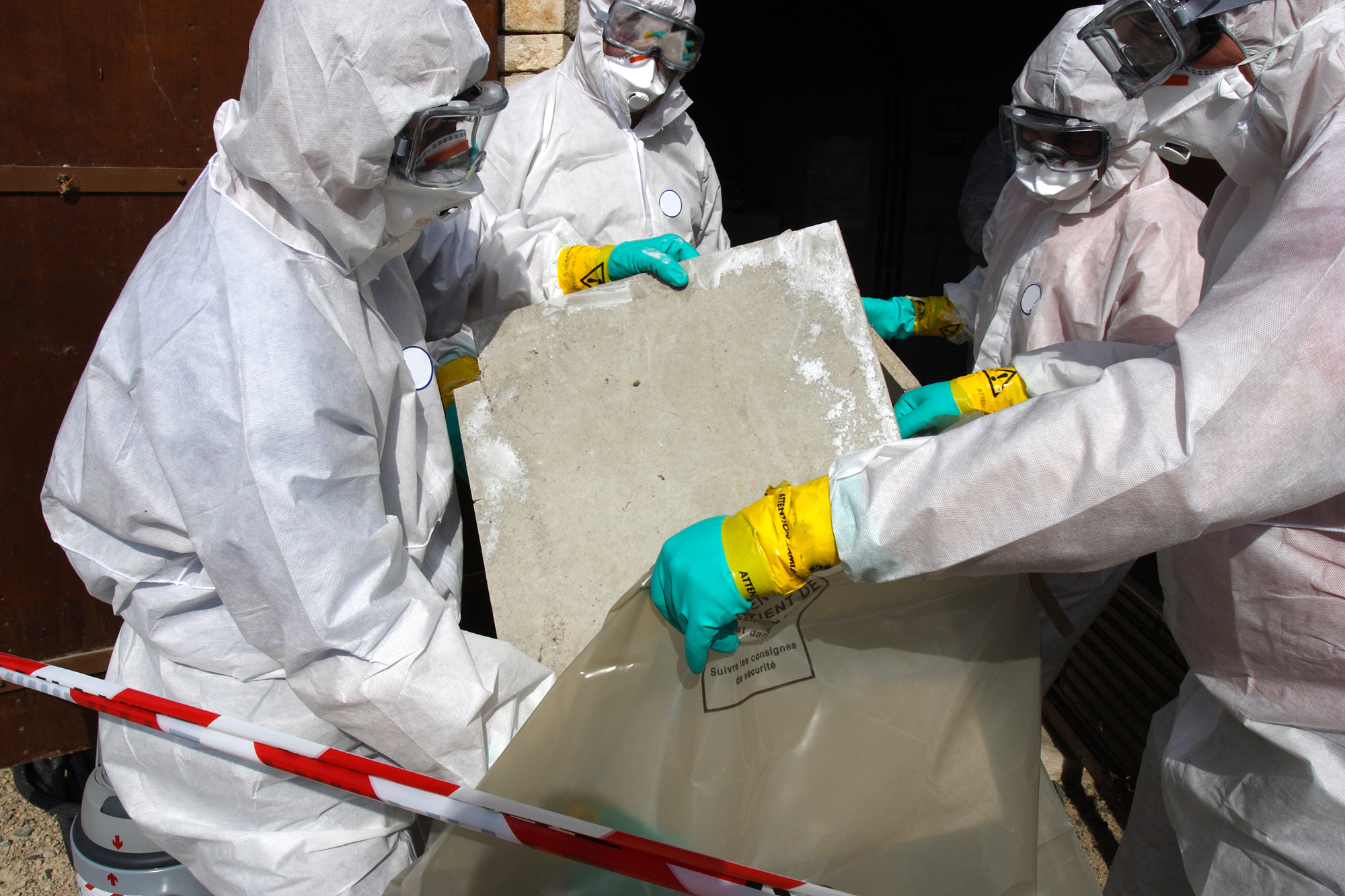
When asbestos-containing material is suspected, assessment by appropriately qualified professionals can help determine whether testing or further action is necessary. Specialized procedures and protective equipment may be required when materials need to be repaired, contained, or removed.
Important precautions include:
- Do not drill, sand, cut, or break suspected asbestos-containing materials.
- Avoid sweeping or using methods that could spread contaminated dust.
- Keep damaged materials isolated until they can be professionally assessed.
- Follow applicable workplace and environmental safety requirements.
Asbestos in Older Buildings
Older buildings can present particular challenges because asbestos may be hidden inside walls, ceilings, insulation, flooring, roofing, or mechanical systems. Renovation projects can unintentionally disturb these materials.
Before beginning major renovation or demolition work in an older structure, property owners and contractors should determine whether asbestos-containing materials could be present. Professional surveys or inspections may be appropriate depending on local regulations and the nature of the project.
The safest approach is not to rely on visual identification. Proper evaluation can help determine whether a material contains asbestos and whether specific controls are necessary before work begins.
What Should You Do If You Discover Suspected Asbestos?
If you discover a material that may contain asbestos, the first step is to avoid disturbing it. Keep people away from damaged or deteriorating material and prevent unnecessary activity around the area.
Do not attempt to remove suspected asbestos yourself simply because the material appears small or manageable. Cutting, breaking, scraping, or sanding can increase the possibility of airborne fibers.
Instead, consider contacting a qualified asbestos professional or an appropriate local authority for guidance. Depending on the situation, the material may be left undisturbed, enclosed, repaired, or removed using controlled procedures.
Safe Removal and Professional Management
Asbestos removal is not the same as ordinary renovation or waste removal. Professionals working with asbestos may use specialized containment methods, protective equipment, controlled removal techniques, and appropriate waste-handling procedures.
The exact requirements depend on the material, building type, amount of material, condition of the material, and local regulations. Professional management is especially important when asbestos-containing materials are damaged or when planned construction work could disturb them.
In some circumstances, leaving intact asbestos-containing material in place and maintaining it properly may be safer than unnecessary removal. The appropriate decision depends on the condition and location of the material and the planned activities around it.
Why Awareness Matters
Understanding asbestos can help homeowners, workers, property managers, and contractors make safer decisions. The material can remain hidden for decades, particularly in older structures, and people may encounter it unexpectedly during repairs.
Awareness does not mean that every older building is automatically dangerous. The key concern is uncontrolled exposure to airborne fibers. Identifying potential materials, avoiding unnecessary disturbance, and obtaining professional advice when needed can significantly reduce the possibility of exposure.
Education is especially important for people involved in renovation, maintenance, construction, demolition, or building management. Knowing when to stop work and seek professional assistance can prevent an avoidable exposure incident.
Conclusion
Asbestos has a long history of use because of its durability, heat resistance, and versatility, but exposure to airborne fibers can have serious health consequences. Materials containing asbestos may still be present in older homes, workplaces, public buildings, and industrial structures. Because these materials are not always identifiable by appearance, suspected materials should be treated cautiously.
The safest approach is to avoid disturbing potentially hazardous materials and seek professional assessment when renovation, repair, or removal is necessary. Understanding the locations where asbestos may occur, recognizing the importance of controlled handling, and following applicable safety requirements can help protect workers, residents, and building occupants. Awareness and proper management remain essential for reducing unnecessary exposure and maintaining safer environments.