



Introduction
Asbestos was once widely used in construction because it is strong, heat-resistant, and provides good insulation. It can be found in older buildings in materials such as insulation, roofing products, floor tiles, cement sheets, pipe coverings, and textured coatings. Although asbestos-containing materials can remain undisturbed without immediately creating a problem, they may become dangerous when damaged, cut, drilled, sanded, or removed incorrectly. Tiny asbestos fibers can become airborne and may be inhaled.
This is why asbestos testing can be an important step before renovating, repairing, demolishing, or purchasing an older property. Testing can help determine whether suspicious materials contain asbestos and can provide useful information for planning safe work. Understanding when testing is needed, how samples are collected, what laboratory results mean, and what steps should follow the test can help property owners make informed decisions and reduce unnecessary exposure risks.
What Is Asbestos Testing?
Asbestos testing is the process of examining a material to determine whether it contains asbestos fibers. The process generally involves identifying materials that may contain asbestos, collecting representative samples under controlled conditions, and sending those samples to an appropriately qualified laboratory for analysis.
Testing is different from simply looking at a material. Many asbestos-containing products can resemble ordinary building materials, making visual identification unreliable. A material that appears harmless may contain asbestos, while another material that looks suspicious may not contain it at all.
Professional assessment is particularly important when work could disturb older construction materials. Depending on the property and local regulations, testing may be recommended or required before renovation, demolition, remodeling, or major repairs. The objective is not only to identify asbestos but also to help determine how the material should be managed safely.
Why Is Asbestos Testing Important?
The main reason for testing is to identify potential asbestos-containing materials before they are disturbed. When asbestos materials remain intact and undisturbed, the risk of releasing fibers can be considerably lower. However, construction activities can change that situation.
Drilling into a wall, removing old flooring, cutting insulation, replacing roofing materials, or demolishing part of a building can potentially release fibers if asbestos is present. Testing can provide information that helps property owners and contractors decide how work should be approached.
Testing may also be useful when buying or renovating an older home. Knowing the condition and composition of building materials can help with renovation planning and budgeting. It can also prevent unexpected discoveries that delay construction.
When Should You Consider Testing?
Not every building requires the same approach. The age, construction history, materials used, and planned work all influence whether testing is appropriate. Older properties deserve particular attention because asbestos was historically used in many construction products.
Consider professional assessment before activities such as:
- Major renovation or remodeling work
- Demolition or structural changes
- Removing old flooring, insulation, roofing, or wall materials
- Cutting, drilling, sanding, or breaking suspicious materials
- Repairing damaged building materials
- Purchasing or renovating an older property
If you are uncertain about a particular material, avoid disturbing it until you have received appropriate professional advice.
Common Materials That May Contain Asbestos
Asbestos was incorporated into many different construction products. Its presence cannot always be determined simply by looking at a material because asbestos fibers are often mixed with other substances.
Potential locations can include insulation around pipes and boilers, older floor tiles, roofing products, cement sheets, ceiling materials, wall compounds, textured coatings, and certain older electrical or mechanical components.
The following table provides examples of materials that may require further assessment:
| Material or Area | Potential Concern | Recommended Approach |
|---|---|---|
| Old insulation | May contain asbestos fibers | Professional assessment |
| Floor tiles | Some older products contained asbestos | Test before removal |
| Roofing materials | Certain older products may contain asbestos | Assess before repair |
| Cement sheets | Some older sheets used asbestos | Avoid cutting or breaking |
| Pipe insulation | Can be difficult to identify visually | Professional inspection |
| Ceiling materials | Some older textured products may contain asbestos | Test before disturbance |
| Wall compounds | Certain older compounds may contain asbestos | Assessment before renovation |
The table is only a general guide. The actual composition of a material must be determined through appropriate assessment and, where necessary, laboratory analysis.
How Does Asbestos Testing Work?
The testing process normally begins with an inspection of the property or the materials suspected of containing asbestos. A qualified professional may review the building’s age, construction history, previous renovations, and the planned work.
If a suspicious material needs to be tested, a small representative sample may be collected using appropriate precautions. The sample is then packaged and submitted to a qualified laboratory. Laboratory specialists use established analytical methods to determine whether asbestos is present and, depending on the testing method, may identify the type of asbestos detected.
The sampling stage is important because improperly collected material can create unnecessary exposure risks or produce an unreliable result. For this reason, property owners should avoid collecting suspicious samples themselves unless local rules and professional guidance specifically permit it.
What Happens After the Test?
The next step depends on the laboratory result and the condition of the material. If testing indicates that asbestos is not present, planned work may proceed according to normal construction and safety requirements, provided there are no other hazards.
If asbestos is identified, the material does not automatically need to be removed. In some situations, leaving an intact material in place and managing it properly may be preferable to disturbing it. The appropriate decision depends on the material’s condition, location, accessibility, and the planned work.
If the material is damaged or will be disturbed during renovation, additional controls may be necessary. Depending on local requirements, this could involve an asbestos management plan, professional removal, containment, specialized waste handling, or other protective measures.
Safety Precautions During Assessment
Asbestos should be treated carefully because disturbing suspect materials can potentially release fibers. Property owners should not assume that ordinary cleaning or household equipment is sufficient for asbestos-related work.
Some important precautions include:
- Do not sand, drill, cut, scrape, or break suspicious materials.
- Keep damaged or suspect areas undisturbed until they can be properly assessed.
- Keep unnecessary people away from areas where suspicious materials may be disturbed.
- Follow applicable local regulations and professional recommendations.
Professional asbestos specialists have the appropriate knowledge and equipment to assess and manage potentially hazardous materials. They can also advise property owners about the safest approach for renovation or removal.
Can You Test Asbestos Yourself?
Home testing kits may be available in some markets, but collecting an asbestos sample can itself create a risk if the material is disturbed incorrectly. A laboratory test is only as useful as the sample submitted, and an improperly collected sample may not accurately represent the material.
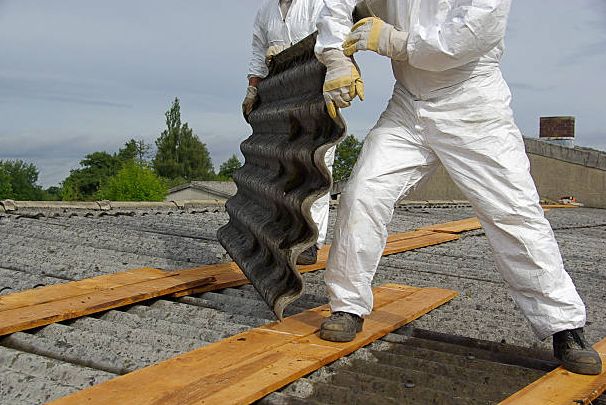
For this reason, professional assessment is generally the safer choice, especially when materials are friable, damaged, difficult to access, or likely to be disturbed during construction.
Before choosing a testing service, property owners should check whether the company and laboratory meet applicable local qualifications, licensing, or accreditation requirements. Regulations differ between countries and jurisdictions, so local requirements should always be considered.
Factors That Can Affect Testing Costs
The price of asbestos testing varies depending on several factors. A simple assessment involving one material may cost considerably less than a larger property survey involving multiple samples.
Factors that can influence the total cost include the number of samples required, property size, accessibility of materials, laboratory analysis fees, urgency, travel requirements, and whether additional inspection or reporting services are requested.
| Cost Factor | Possible Effect |
| Number of samples | More samples can increase laboratory costs |
| Property size | Larger properties may require broader assessment |
| Material accessibility | Difficult areas can require additional work |
| Laboratory analysis | Specialized analysis adds to the overall cost |
| Urgent service | Faster turnaround may cost more |
| Additional reporting | Detailed documentation may increase the fee |
Rather than selecting a provider solely on price, property owners should consider qualifications, experience, testing procedures, laboratory standards, and compliance with local regulations.
Asbestos Testing During Renovation
Renovation projects can create particular concerns because construction activities frequently disturb existing materials. Removing cabinets, replacing floors, opening walls, repairing ceilings, or modifying plumbing and electrical systems can expose materials that were previously hidden.
Testing before work begins can help identify potential hazards and prevent unexpected interruptions. It may also allow contractors to plan appropriate work methods, protective measures, and waste management.
If asbestos is discovered after renovation has already started, work around the suspected material should be stopped until the situation has been appropriately assessed. Continuing to disturb an unknown material can increase the potential for fiber release.
Why Professional Assessment Matters
Asbestos-related work requires careful planning because the risk is associated with airborne fibers rather than simply touching an asbestos-containing product. Professionals can evaluate materials, determine where sampling may be necessary, and explain appropriate management options.
A professional assessment can also create useful documentation for future renovations or property management. Keeping records of tested materials and laboratory results may help future owners, contractors, and maintenance workers understand which areas require special attention.
The goal of asbestos testing is therefore not simply to produce a laboratory result. It is to provide reliable information that supports safer decisions about the building.
Conclusion
Asbestos can be difficult to identify because it was incorporated into many different building products and may not be visible within a material. Disturbing an asbestos-containing product without appropriate precautions can create unnecessary exposure risks. For this reason, testing can be an important consideration before renovation, demolition, repair, or other work that may disturb older construction materials.
Asbestos testing can help property owners determine whether suspicious materials contain asbestos and make better-informed decisions about managing them. If asbestos is identified, removal is not always the only option; depending on the circumstances, management or containment may be appropriate. Because sampling and handling can present risks, professional assessment is often the safest approach. Following local regulations and using qualified professionals can help ensure that asbestos-related work is handled responsibly.