



Introduction
If you have ever encountered an old building, construction material, insulation product, or roofing sheet and wondered whether it could contain a dangerous substance, you may have asked, what is asbestos? Asbestos is a naturally occurring group of fibrous minerals that was widely used in construction and manufacturing because of its resistance to heat, fire, chemicals, and wear. Its strong and flexible fibers made it useful in many products for decades. However, asbestos became a major health concern because inhaling its microscopic fibers can cause serious diseases, particularly after long-term or repeated exposure.
Today, asbestos is recognized as a hazardous material in many countries, and its use is restricted or prohibited in numerous applications. Understanding where asbestos may be present, how exposure occurs, and why it can be dangerous is important for homeowners, workers, renovators, and anyone living or working in older buildings. Learning what is asbestos can also help people make safer decisions when dealing with potentially contaminated materials.
What Is Asbestos?
So, what is asbestos in simple terms? Asbestos is not a single mineral but a name used for a group of naturally occurring silicate minerals that form long, thin, microscopic fibers. These fibers are exceptionally resistant to heat and many chemicals while also providing strength and insulation. Because of these characteristics, asbestos was incorporated into thousands of commercial and industrial products.
Asbestos fibers are extremely small and can become airborne when asbestos-containing materials are damaged, cut, drilled, sanded, broken, or disturbed. Once released, the fibers may remain suspended in the air and can be inhaled. The body has difficulty removing some asbestos fibers from the lungs, and prolonged exposure can contribute to serious respiratory diseases.
The danger does not generally come from simply knowing that asbestos exists in a building. The primary concern is the release and inhalation of airborne fibers. Therefore, identifying potentially asbestos-containing materials and avoiding unnecessary disturbance are important parts of asbestos safety.
Why Was Asbestos Used So Widely?
Asbestos became popular because it combined several useful physical properties in one material. It could withstand high temperatures, resist fire, provide insulation, and strengthen products without adding excessive weight. These characteristics made it attractive to manufacturers and construction companies.
Before the health risks were fully understood and regulations became widespread, asbestos was used in residential, commercial, industrial, and transportation applications. It could be found in insulation, roofing products, cement materials, floor tiles, pipes, electrical components, and various manufactured goods.
Its affordability also contributed to its popularity. In many older buildings, asbestos-containing products were selected because they were durable and could remain functional for many years. Even where asbestos use has been discontinued, materials installed decades ago may still remain in older structures.
Common Types of Asbestos
There are several recognized asbestos minerals, but they are generally divided into two major groups based on the structure of their fibers. The most commonly encountered type historically used in commercial products is chrysotile.
| Type of Asbestos | General Description | Historical Use |
|---|---|---|
| Chrysotile | Also called white asbestos; has curly fibers | Roofing, insulation, cement, textiles |
| Amosite | Often called brown asbestos | Insulation and construction materials |
| Crocidolite | Often called blue asbestos | Cement products and insulation |
| Tremolite | Naturally occurring amphibole mineral | May occur as a contaminant |
| Actinolite | Amphibole mineral that can occur naturally | Limited industrial presence |
| Anthophyllite | Another amphibole mineral | Historically used in some materials |
Different asbestos types have different physical characteristics, but all forms can present health concerns when their fibers become airborne and are inhaled. The appearance of a material alone is not a reliable way to determine whether it contains asbestos.
Where Can Asbestos Be Found?
Asbestos was incorporated into a wide range of products, especially materials manufactured before modern restrictions were introduced. Older homes, schools, factories, offices, and public buildings may contain asbestos-containing materials.
Potential locations include insulation around pipes and boilers, roofing products, cement sheets, ceiling materials, floor tiles, adhesives, and certain wall or construction materials. Some older electrical and industrial products may also contain asbestos.
It is important to understand that not every old building contains asbestos, and not every material that looks like asbestos actually contains it. Laboratory testing may be necessary to confirm its presence.
Common products that may historically have contained asbestos include:
- Roofing sheets and shingles
- Insulation materials
- Cement boards
- Vinyl floor tiles
- Pipe insulation
- Ceiling materials
- Certain adhesives and coatings
- Some older fire-resistant products
How Does Asbestos Exposure Happen?
Asbestos exposure usually becomes a concern when asbestos-containing materials are disturbed and release microscopic fibers into the surrounding air. Activities such as drilling, cutting, sanding, demolition, renovation, or improper removal can increase the possibility of fiber release.
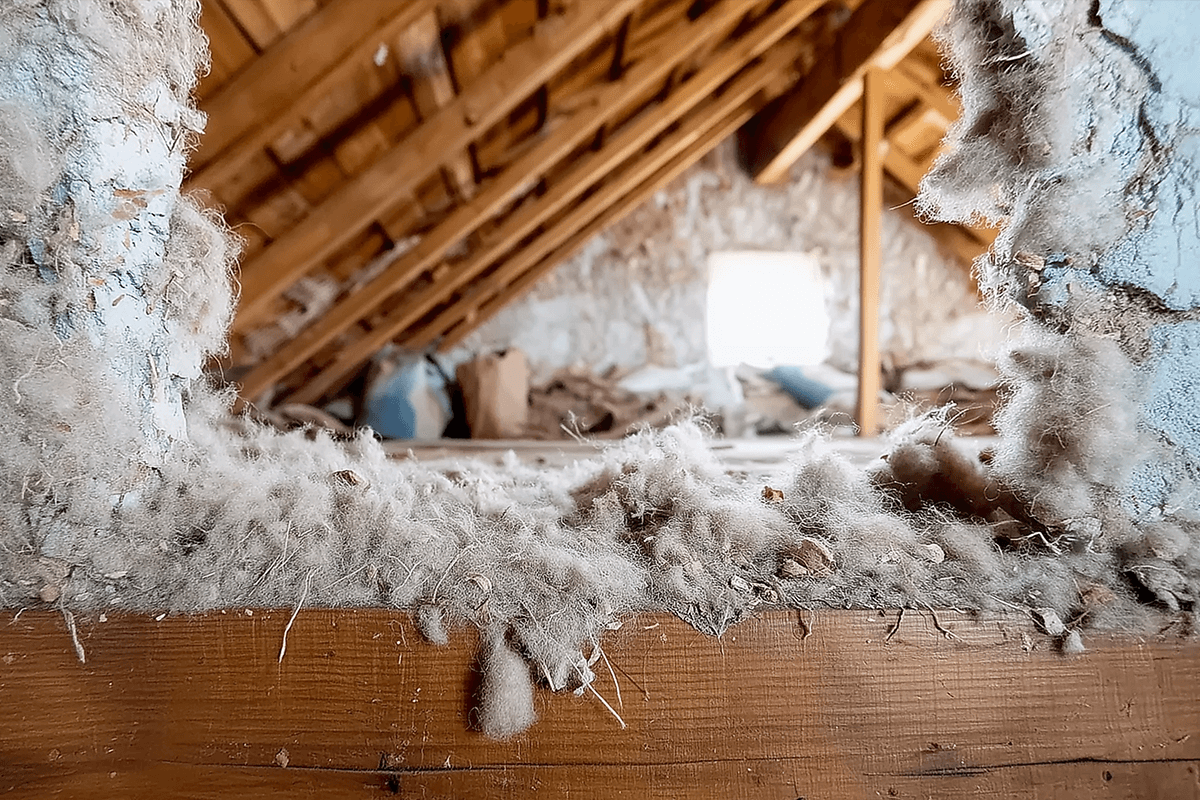 People who work directly with older construction materials may have a higher potential for occupational exposure. Construction workers, demolition workers, maintenance personnel, insulation workers, and some industrial workers have historically faced greater risks.
However, exposure can also happen in residential settings when people perform renovations without knowing that asbestos-containing materials are present. For this reason, homeowners should avoid assuming that an old material is safe simply because it appears solid or harmless.
Health Risks Associated With Asbestos
One of the most important reasons people ask what is asbestos is because of its connection with serious health problems. Inhaled asbestos fibers can become lodged in the respiratory system. Some diseases associated with asbestos exposure may take decades to develop.
Potential health conditions associated with asbestos exposure include:
- Asbestosis, a chronic lung condition involving scarring
- Lung cancer
- Mesothelioma, a rare cancer affecting protective tissues
- Other respiratory problems
The risk of developing asbestos-related disease can depend on several factors, including the amount and duration of exposure, the type of asbestos, and individual circumstances. Smoking can also significantly increase the risk of lung cancer among people exposed to asbestos.
Because asbestos-related diseases may have long latency periods, symptoms may not appear until many years after exposure. This makes prevention and proper handling particularly important.
Asbestos in Older Buildings
Older buildings deserve particular attention because asbestos was historically used in many construction products. A material that remains undisturbed and in good condition may pose less immediate risk than one that is damaged or deteriorating.
However, it is difficult to determine whether a particular building material contains asbestos simply by looking at it. Age can provide a clue, but it is not proof.
Before major renovation or demolition work in an older building, professional assessment may be appropriate. Qualified asbestos professionals can identify suspect materials and, where necessary, arrange appropriate sampling and testing.
How Is Asbestos Identified?
Visual inspection alone generally cannot reliably confirm the presence of asbestos. Many asbestos-containing products look similar to materials that do not contain asbestos.
If asbestos is suspected, trained professionals may inspect the property and collect samples using appropriate precautions. Laboratory analysis can then determine whether asbestos fibers are present.
People should avoid breaking, scraping, drilling, or cutting suspected materials simply to see what they contain. Disturbing a material without proper precautions can potentially release fibers.
Safe Handling and Removal
If asbestos-containing material is discovered, the safest approach depends on its condition, location, and intended activity. In some circumstances, leaving an intact material undisturbed may be preferable to unnecessary removal. In other situations, professional removal may be required.
Asbestos removal should generally be performed by appropriately trained and qualified professionals who understand applicable safety requirements. They use controlled procedures designed to prevent fibers from spreading to other areas.
Important precautions include:
- Do not disturb suspected asbestos-containing materials unnecessarily.
- Avoid sanding, drilling, cutting, or breaking suspicious materials.
- Keep damaged materials isolated when possible.
- Seek professional assessment before renovation or demolition.
- Follow local regulations for asbestos inspection, removal, and disposal.
Why DIY Asbestos Removal Can Be Dangerous
A common mistake is assuming that removing an old material personally will save money and time. However, asbestos fibers are microscopic and cannot be reliably controlled through ordinary household cleaning methods.
Using power tools or breaking materials can increase airborne fiber release. Ordinary vacuum cleaners may also be unsuitable for asbestos contamination because they can spread fine particles.
Professional asbestos work involves specialized procedures, protective equipment, containment methods, and waste-management practices. Therefore, suspected asbestos should be treated cautiously rather than approached like an ordinary renovation material.
Asbestos Safety for Homeowners
Homeowners do not necessarily need to panic when they discover that an older building may contain asbestos. The presence of asbestos does not automatically mean that the building must be evacuated or that every material needs immediate removal.
The key issue is whether asbestos-containing material is damaged or likely to be disturbed. If a suspicious material is intact, avoiding unnecessary contact can reduce the chance of releasing fibers.
If renovation is planned, it is sensible to determine whether asbestos-containing materials could be affected before work begins. Professional advice can help establish the safest approach.
Asbestos Regulations and Restrictions
Because of the serious health concerns associated with asbestos exposure, many countries have introduced restrictions or bans covering particular asbestos products and activities. Regulations differ by jurisdiction and can change over time.
Rules may address manufacturing, importing, selling, using, removing, transporting, and disposing of asbestos-containing materials. Employers may also have specific responsibilities when workers could encounter asbestos.
Anyone planning asbestos-related work should check the requirements that apply in their location rather than relying on general information from another country.
What to Do If You Suspect Asbestos
If you suspect that a material contains asbestos, the first step is to avoid disturbing it. Do not scrape, drill, sand, break, or remove the material simply to investigate it.
Instead, consider having the material assessed by a qualified professional. If testing confirms asbestos, the appropriate response depends on the condition of the material and the planned work.
Understanding what is asbestos is valuable because informed decisions can reduce unnecessary exposure. The safest approach is usually to identify potential risks before starting construction, maintenance, renovation, or demolition activities.
Conclusion
Understanding what is asbestos is important for anyone who lives, works, renovates, or maintains older buildings. Asbestos is a group of naturally occurring fibrous minerals that was once valued for its strength, insulation properties, and resistance to heat and fire. Although these characteristics made asbestos useful in many products, inhaling airborne asbestos fibers can lead to serious diseases, sometimes decades after exposure.
The presence of asbestos does not always mean immediate danger. The greatest concern is typically the disturbance of asbestos-containing materials and the resulting release of fibers. Avoiding unnecessary disturbance, seeking professional assessment, and following applicable safety requirements are important ways to reduce exposure. When dealing with older construction materials, caution is always preferable to guesswork.