

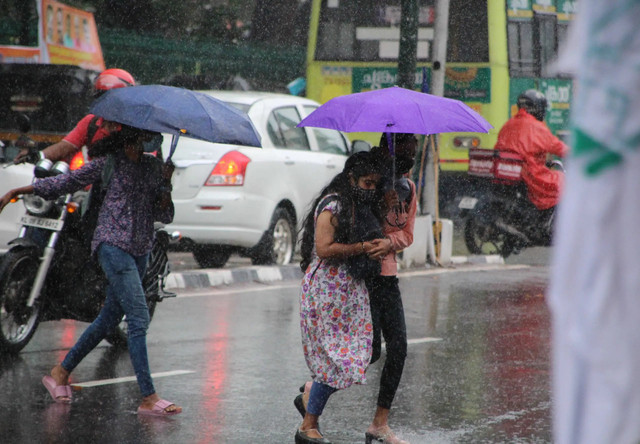

Knowing the today weather can make everyday planning easier. A weather forecast provides useful information about temperature, rain, wind, humidity, cloud cover, and other atmospheric conditions that may affect travel, work, school, exercise, or outdoor activities. Even when the sky looks clear in the morning, conditions can change significantly later in the day.
Weather information is especially useful when plans involve outdoor movement. A morning commute, weekend trip, sports activity, market visit, or family outing may be more comfortable when people understand what conditions to expect. Instead of relying only on what is happening outside at one moment, a forecast gives a broader picture of how conditions may develop.
Modern weather services use observations from weather stations, satellites, radar systems, aircraft, and numerical forecasting models. These sources help meteorologists estimate upcoming conditions for specific locations. However, forecasts are not guarantees, particularly when conditions are changing quickly.
What Information Does a Daily Weather Forecast Include?
A daily forecast normally combines several measurements rather than focusing only on temperature. Understanding each part can help you interpret weather information more accurately.
Temperature shows how warm or cold the air is expected to be. Forecasts often provide a daytime high and nighttime low. The actual temperature can feel different depending on humidity, wind, sunlight, and cloud cover.
Precipitation describes the possibility of rain, snow, sleet, or other forms of falling water or ice. A precipitation percentage should not automatically be interpreted as the percentage of the day that will be wet. It generally represents the likelihood of measurable precipitation for a specified location and period.
Humidity indicates the amount of water vapor in the air. High humidity can make warm temperatures feel more uncomfortable because sweat evaporates less efficiently.
Wind speed and direction are important for outdoor activities, driving, aviation, marine travel, and construction. Strong winds can also make a moderate temperature feel colder.
Cloud cover influences sunlight, visibility, and temperature. Heavy cloud cover can reduce daytime heating, while clear skies may allow stronger warming during daylight hours.
How to Read Today Weather More Accurately
The most useful way to read today weather is to look at the forecast as a collection of conditions rather than a single number. A temperature of 30°C, for example, does not tell the entire story. If humidity is high and winds are weak, the same temperature may feel considerably different from a dry, breezy day.
It is also important to check the hourly forecast when timing matters. A daily summary might show a general chance of rain, while an hourly view can indicate whether showers are more likely during the morning, afternoon, or evening.
Weather radar can be helpful when precipitation is already developing nearby. Radar imagery may show the movement and intensity of rain areas, giving people a better short-term understanding of what could happen over the next few hours.
Forecast updates should also be considered. Weather models are continually updated as new observations become available. If you are making plans several hours ahead, checking the latest forecast before leaving can provide more useful information than relying on an older forecast.
Today Weather vs. Tomorrow and Extended Forecasts
Forecast accuracy generally depends partly on how far into the future the prediction extends. A forecast for the next few hours can often provide more specific guidance than a forecast several days away.
| Forecast Period | Common Use | What to Watch |
|---|---|---|
| Next few hours | Short trips and outdoor activities | Rain radar, wind, temperature |
| Today | Daily planning | Hourly temperature and precipitation |
| Tomorrow | Travel and scheduling | Rain chances and severe conditions |
| 3–5 days | Events and trips | Overall weather pattern |
| Longer range | General planning | Broad trends, not exact details |
When checking today weather, people should focus on the time period that matters to them. Someone planning a morning run needs different information from someone preparing for an evening journey. Looking at hourly changes can therefore be more useful than concentrating only on the daily high and low.
How Temperature and Feels-Like Conditions Differ
One of the most misunderstood parts of a forecast is the difference between measured temperature and how the air may feel. Weather services may provide a “feels like” temperature to account for environmental factors.
During hot conditions, humidity can contribute to a higher apparent temperature. During cold conditions, wind can increase heat loss from exposed skin and make the air feel colder. Direct sunlight can also influence personal comfort even when the official air temperature remains unchanged.
This is why clothing decisions should not be based entirely on the temperature number. A warm day with strong wind may require different clothing from a calm, humid day with the same temperature.
Rain Forecasts and Their Practical Meaning
Rain forecasts are particularly important for daily schedules. However, precipitation forecasts should be interpreted carefully. A stated probability of rain does not necessarily mean that rain will occur continuously or across every part of a city.
Local geography can influence rainfall. Hills, coastlines, urban areas, and surrounding terrain may produce differences between nearby locations. A shower can affect one neighborhood while another nearby area remains dry.
For outdoor plans, it can be useful to consider several details together:
- Probability of precipitation
- Expected rainfall timing
- Forecast rainfall intensity
- Thunderstorm potential
- Wind conditions
- Weather alerts or warnings
Looking at these factors together provides a more practical picture than relying on a single rain percentage.
Using Weather Information for Travel and Commuting
Weather conditions can influence road travel, public transportation, cycling, and walking. Heavy rain can reduce visibility and increase the risk of water accumulation on roads. Strong winds can affect high-profile vehicles, while fog can reduce visibility in some areas.
Before a longer journey, checking the today weather along the route can be more useful than checking only the departure location. Conditions can change significantly between cities or regions, particularly when traveling across different elevations or climate zones.
For air travel, weather can also affect airport operations. Thunderstorms, strong winds, low visibility, and other conditions may contribute to delays or operational changes. Travelers should therefore combine weather information with official transportation updates when making important travel decisions.
Weather and Outdoor Health Considerations
Weather awareness also supports sensible outdoor habits. During hot periods, people may need to reduce strenuous activity during the hottest part of the day, stay hydrated, and seek shade. During very cold conditions, appropriate clothing and protection from wind become more important.
Sun exposure is another consideration. A comfortable air temperature does not necessarily mean low ultraviolet radiation. UV levels can be significant even when the weather feels mild or partly cloudy.
Severe weather requires additional caution. Thunderstorms, flooding, extreme heat, strong winds, and other hazardous conditions can create risks that are not reflected by temperature alone. When an official warning is issued, it should receive greater attention than a general daily forecast.
Weather Changes Throughout the Day
Today weather can vary considerably between morning, afternoon, and evening. Overnight temperatures may be lower because the ground loses heat after sunset. As sunlight increases during the morning, temperatures commonly rise until reaching an afternoon maximum, although local conditions vary.
Clouds, rainfall, wind shifts, and thunderstorms can interrupt this normal pattern. A rainy afternoon may prevent temperatures from reaching the expected high, while clearing skies can produce faster warming.
Urban environments can also experience local differences. Buildings, roads, traffic, vegetation, and other surfaces influence how heat is stored and released. As a result, conditions in a dense city area may differ from those in surrounding open or rural areas.
Choosing Reliable Weather Information
A good weather forecast should provide clear location details, forecast times, and regularly updated information. When conditions are potentially hazardous, official meteorological agencies and local emergency authorities are particularly important sources.
It is also useful to compare the forecast with actual observations. If the reported temperature, rainfall, or wind appears very different from what is happening locally, checking another reliable source can help identify whether conditions are changing faster than expected.
No forecasting system is perfect. Weather is a complex atmospheric process, and small changes can sometimes produce different outcomes. Treating forecasts as informed predictions rather than absolute promises encourages better planning.
Simple Ways to Plan Around the Forecast
The practical value of today weather comes from using the information to make sensible decisions. For a normal day, checking the forecast once in the morning may be sufficient. For outdoor events or travel, checking again shortly before departure can provide a more current picture.
A useful routine is to review temperature, precipitation, wind, humidity, and any active warnings. Then consider the activity you are planning and the time it will take place. This approach avoids unnecessary concern over minor forecast changes while still helping you prepare for meaningful weather risks.
People can also prepare simple alternatives. Carrying an umbrella when rain is possible, choosing breathable clothing during hot weather, or allowing extra travel time during poor conditions can reduce inconvenience.
Conclusion
Understanding today weather involves more than checking whether it will be hot, cold, or rainy. Temperature, precipitation, humidity, wind, cloud cover, visibility, and weather warnings all contribute to the conditions people experience. Hourly forecasts and radar can provide additional detail when timing is important.
Forecasts are valuable planning tools, but they should be interpreted with appropriate flexibility because atmospheric conditions can change. By checking updated information, considering the entire forecast, and paying attention to official warnings, people can make better-informed decisions about travel, work, exercise, and outdoor activities.