

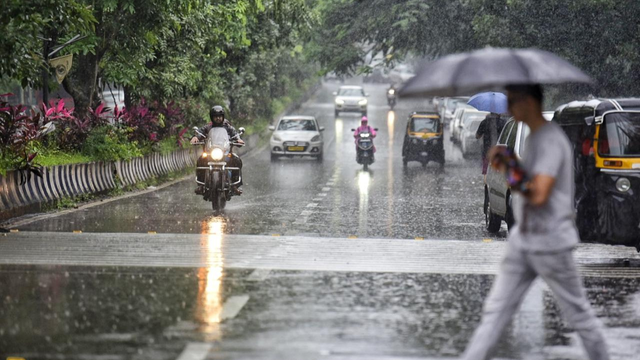

A weather 10 days forecast gives people a broader view of expected atmospheric conditions beyond the usual daily or short-range forecast. It can help with travel planning, outdoor activities, work schedules, agriculture, events, and everyday decisions. Instead of focusing only on today’s temperature or tomorrow’s rain, a longer forecast provides an overview of how conditions may develop over the coming days.
Long-range weather information usually includes expected high and low temperatures, precipitation chances, wind conditions, cloud cover, and general atmospheric trends. Because weather systems can change quickly, the information becomes less certain as the forecast period extends. Understanding this difference is important when using forecasts for practical decisions.
How a 10-Day Weather Forecast Works
A weather 10 days forecast is created using numerical weather prediction models, observational data, satellite information, radar readings, weather stations, and atmospheric measurements. Forecasting systems process large amounts of information to estimate how the atmosphere may behave over time.
Meteorologists use current conditions as the starting point. Temperature, pressure, humidity, wind, precipitation, and other atmospheric variables are measured across different locations. Computer models then simulate how these conditions could change.
Forecast providers may compare several model outputs before presenting a forecast. When different models show similar results, confidence can be relatively stronger. When their projections differ significantly, the later days should be treated with greater caution.
What Information Can You Find in a 10-Day Forecast?
A detailed weather 10 days forecast can contain several useful elements. Temperature information commonly shows daytime highs and nighttime lows, helping users understand expected changes throughout the day.
Precipitation forecasts may indicate whether rain, thunderstorms, snow, or other forms of precipitation are possible. Wind speed and direction can also be important for travel, outdoor work, boating, aviation, and sporting activities.
Other common forecast details include:
- Cloud cover and expected sunshine
- Humidity levels
- Wind speed and direction
- Probability of precipitation
- Daytime and nighttime temperatures
- General descriptions of changing conditions
The exact information available can vary depending on the forecasting service and location.
Why Forecast Accuracy Changes Over Time
One of the most important things to understand about a weather 10 days forecast is that accuracy generally decreases as the forecast reaches farther into the future. Atmospheric conditions are constantly changing, and small differences in the current situation can lead to larger differences several days later.
For example, a forecast for tomorrow may provide a relatively clear indication of expected rain. A forecast for the ninth or tenth day may still suggest a wet pattern, but the exact timing, intensity, and location of rainfall can change as new observations become available.
This does not mean long-range forecasts are useless. They are particularly valuable for identifying broader trends rather than treating every future detail as certain.
Temperature Trends and Daily Changes
Temperature is one of the easiest parts of a weather 10 days forecast to understand. Looking across several days can reveal whether a location is expected to experience a warming trend, cooling period, or relatively stable conditions.
Suppose a forecast shows gradually increasing daytime temperatures followed by a noticeable drop. That pattern can help someone prepare clothing, adjust outdoor plans, or consider changes to heating and cooling needs.
Nighttime temperatures deserve attention as well. A day may appear warm while evenings become significantly cooler. Travelers, outdoor workers, gardeners, and event organizers can benefit from considering both daytime and nighttime conditions rather than relying on a single daily temperature.
Rain, Storms, and Precipitation Chances
A weather 10 days outlook can be especially helpful for identifying possible wet periods. However, precipitation forecasts should be interpreted carefully.
A rain percentage does not necessarily mean that rain will occur for the stated percentage of the day. It generally represents the probability of measurable precipitation for the relevant location and forecast period, depending on the provider’s methodology.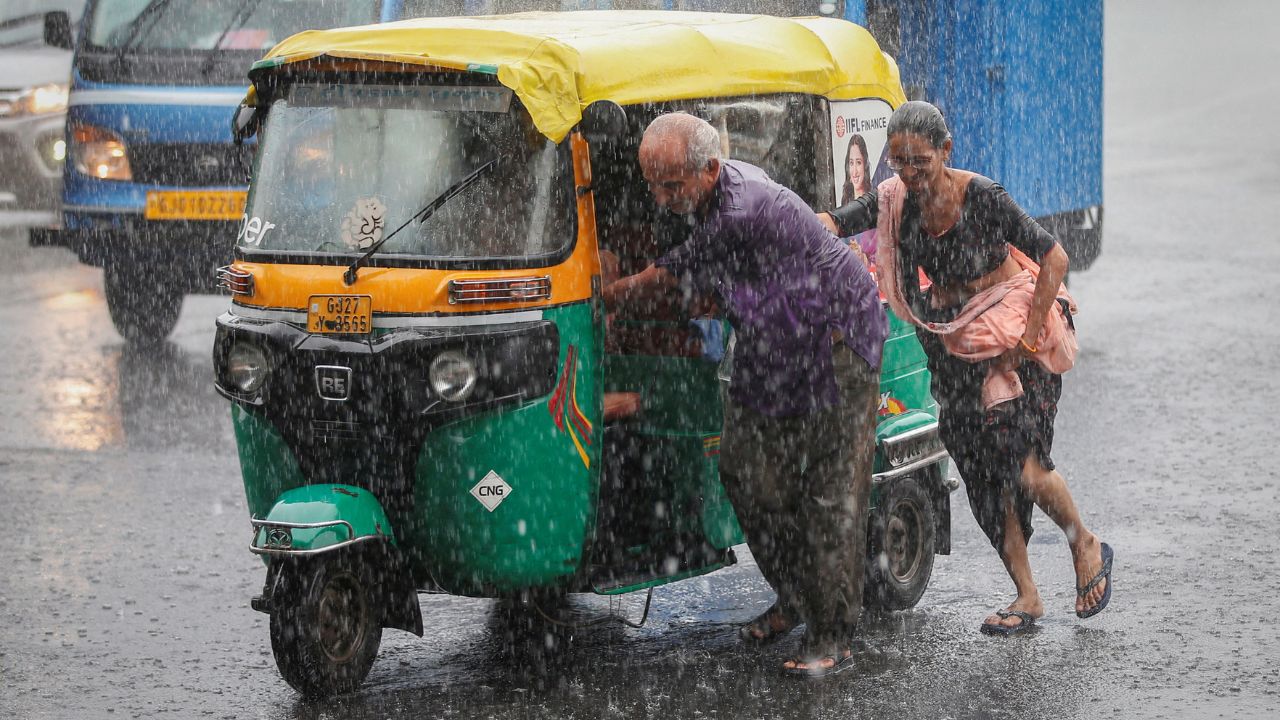
For an outdoor event several days away, it may be more useful to watch the overall precipitation trend than to make an immediate decision based on one forecast update. If rain remains in the forecast as the event gets closer, confidence in the general pattern may increase.
Using Forecasts for Travel Planning
Travelers can use a weather 10 days forecast to build flexible plans. It can provide an early indication of temperature patterns, possible rain, strong winds, or unusually unsettled conditions.
For example, someone planning a road trip can compare the expected conditions along different parts of the route. A traveler visiting a city can also consider whether outdoor sightseeing, indoor attractions, or flexible scheduling may be more appropriate.
Long-range forecasts should not replace checking current conditions shortly before departure. Weather can change considerably between the original planning date and the actual travel date.
How to Read a 10-Day Forecast Table
A simple forecast table makes it easier to compare conditions across multiple days. Consider the following example:
| Forecast Period | Main Information to Check | Planning Use |
|---|---|---|
| Days 1–2 | Temperature, rain, wind | Near-term decisions |
| Days 3–5 | Weather pattern and precipitation | Short-term planning |
| Days 6–8 | Temperature trend and general conditions | Flexible planning |
| Days 9–10 | Broad trend and possible changes | Preliminary planning |
The farther the forecast extends, the more important it becomes to focus on general patterns instead of exact details.
Weather Forecasts for Outdoor Activities
People organizing outdoor activities can use a weather 10 days forecast as an initial planning tool. Weddings, sports practices, hiking trips, festivals, construction work, school activities, and recreational outings may all depend on weather conditions.
At the early planning stage, the forecast can help identify potentially favorable or unfavorable periods. However, important activities should be reviewed again as the date approaches.
For example, a hiking plan made ten days in advance can remain flexible. As the trip gets closer, updated information about thunderstorms, heat, wind, visibility, or heavy precipitation can provide more practical guidance.
Agriculture and Seasonal Planning
Farmers and gardeners may also benefit from longer-range weather information. Temperature trends and expected precipitation can support preliminary decisions involving irrigation, planting schedules, field work, and crop protection.
However, agricultural decisions often require more specialized information than a general consumer forecast provides. Soil conditions, crop type, local microclimates, seasonal patterns, and official weather warnings can all affect decisions.
A long-range outlook is therefore most useful as one part of a broader planning process.
Comparing Forecast Updates
Checking a weather 10 days forecast once is less useful than observing how it changes over several updates. Forecast models receive new observations, so future conditions may shift from one update to another.
If a particular weather pattern repeatedly appears across multiple updates, it can provide a stronger indication of a developing trend. On the other hand, if the forecast changes substantially every day, uncertainty is higher.
This is why users should avoid becoming overly dependent on a single forecast issued many days before an event.
Weather Apps and Forecast Services
Modern weather apps make a weather 10 days outlook easy to access on computers and mobile devices. Many services display forecasts in hourly and daily formats, allowing users to move from a broad overview to more detailed information.
Useful features may include radar imagery, severe weather alerts, air-quality information, sunrise and sunset times, wind details, and precipitation forecasts. These tools can complement the basic daily forecast.
Users should also pay attention to the forecast’s update time. A recently updated forecast can reflect newer observations and model calculations than an older forecast.
Common Mistakes When Using Long-Range Forecasts
A weather 10 days forecast becomes more useful when users understand its limitations. One common mistake is treating a forecast for a distant day as if it were a fixed prediction.
Other mistakes include:
- Ignoring changes between forecast updates
- Focusing on one temperature value without considering the full pattern
- Assuming a rain percentage describes the entire day
- Making important decisions without checking updated conditions
- Overlooking official warnings during severe weather
A better approach is to use distant forecasts for preparation and closer forecasts for final decisions.
How to Get More Value From a Long-Range Forecast
When checking a weather 10 days forecast, start by identifying the broad pattern. Look for periods of warming, cooling, repeated precipitation, strong winds, or changing conditions.
Next, compare the forecast with your actual purpose. A traveler may care most about rain and temperature, while a runner may pay closer attention to heat, wind, and humidity.
As the target date approaches, check the forecast again. This gradual approach reduces the risk of making plans based on information that may later change.
Conclusion
A weather 10 days forecast is best viewed as a planning resource rather than a guarantee of exact future conditions. It can reveal useful temperature trends, precipitation possibilities, wind patterns, and broader changes that help people prepare for upcoming activities.
The most effective approach is to combine long-range information with regular forecast updates and current weather alerts. By understanding uncertainty and focusing on meaningful trends, users can make better-informed plans while remaining flexible when atmospheric conditions change.