



Weather describes the atmospheric conditions experienced at a particular place and time. Temperature, humidity, wind, cloud cover, rainfall, air pressure, and visibility all contribute to the conditions people experience outdoors. These elements can change within hours, making atmospheric awareness useful for everything from choosing clothing to planning travel, outdoor work, farming, sports, and family activities.
A clear understanding of weather also helps people interpret forecasts more effectively. Instead of looking only at whether rain is expected, it is useful to consider temperature ranges, wind speed, precipitation probability, humidity, and the timing of changing conditions. A forecast becomes much more meaningful when these details are considered together.
Modern forecasting systems combine observations from weather stations, satellites, radar systems, aircraft, ocean instruments, and computer-based atmospheric models. The information collected from these sources allows meteorologists to identify current patterns and estimate how atmospheric conditions may develop over the coming hours and days.
What Determines Weather Conditions?
Several atmospheric factors work together to create local conditions. Solar heating is one of the most important influences because different surfaces absorb and release heat at different rates. Land, water, forests, mountains, and urban areas can therefore produce different temperatures within the same region.
Air pressure is another important factor. Areas of relatively high pressure are often associated with more stable conditions, while low-pressure systems can support clouds, rainfall, and stronger winds. However, pressure alone does not determine exactly what people will experience because moisture, terrain, temperature, and moving air masses also influence the outcome.
Humidity measures the amount of water vapor present in the air. High humidity can make warm conditions feel more uncomfortable because evaporation of sweat becomes less efficient. When moist air rises and cools, water vapor can condense into clouds and potentially contribute to precipitation.
Wind develops when air moves from areas of higher pressure toward areas of lower pressure. The direction and speed of that movement can affect temperatures, cloud formation, air quality, and outdoor comfort.
How Weather Forecasts Are Created
Forecasting begins with collecting information about the current atmosphere. Ground stations record temperature, pressure, wind, humidity, and other variables. Weather radar can monitor precipitation, while satellites provide valuable information about clouds, large atmospheric systems, and conditions over oceans and remote areas.
This information is processed through numerical weather prediction models. These computer models use mathematical equations to represent atmospheric processes and estimate how conditions may evolve. Meteorologists then examine model results alongside observations and other forecasting tools.
Forecast accuracy generally depends on the forecast period and the complexity of atmospheric conditions. Short-range forecasts can provide useful detail because they begin with relatively recent observations. Forecasts farther into the future become more uncertain because small differences in the atmosphere can grow over time.
| Forecast Element | What It Tells You | Why It Matters |
|---|---|---|
| Temperature | Expected warmth or cold | Helps with clothing and activity planning |
| Precipitation | Possibility and amount of rain or snow | Useful for travel and outdoor plans |
| Wind | Direction and speed of moving air | Important for driving, boating, and outdoor work |
| Humidity | Moisture in the air | Affects comfort and heat perception |
| Cloud cover | Expected amount of cloudiness | Influences sunlight and temperatures |
| Visibility | How clearly distant objects can be seen | Important for transportation |
Reading a Daily Forecast More Effectively
A daily forecast should be viewed as a collection of information rather than a single statement. The maximum temperature may tell you about afternoon conditions, while the minimum temperature provides an indication of overnight or early-morning cold.
The timing of precipitation is equally important. A forecast showing a chance of rain does not necessarily mean that rain will continue throughout the entire day. Checking hourly information can help identify periods when showers or thunderstorms are more likely.
Weather information can also be interpreted differently depending on the activity. Someone commuting by car may care about visibility and heavy rainfall, while a farmer may focus on precipitation timing, temperature trends, and soil moisture. A runner may pay greater attention to humidity, wind, and heat.
Why Weather Patterns Change
Atmospheric conditions are constantly influenced by moving air masses. An air mass carries characteristics from the region where it formed. When different air masses meet, changes in temperature, pressure, wind, and cloud development can occur.
Fronts are boundaries between air masses with different properties. A cold front can bring a noticeable temperature change and may produce clouds, rain, or thunderstorms. A warm front can also create cloud development and precipitation, often with a more gradual transition.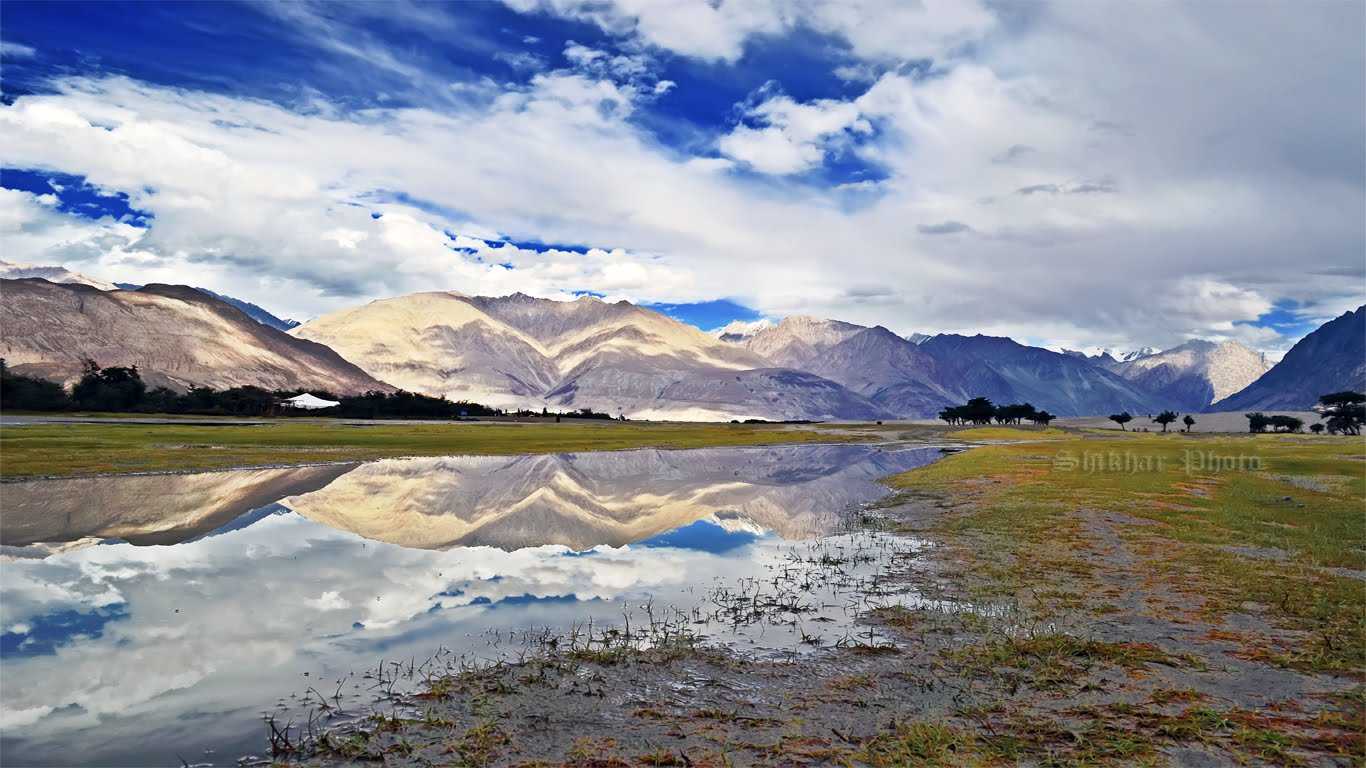
Geography has a major role as well. Mountains can force moist air upward, causing cooling and cloud formation. Coastal areas may experience different temperature patterns from inland locations because large bodies of water heat and cool more slowly than land.
Urban environments can also modify local conditions. Buildings, roads, concrete, and other surfaces absorb and retain heat, while reduced vegetation can affect cooling. This can contribute to warmer conditions in densely developed areas compared with nearby rural surroundings.
Weather and Seasonal Changes
Seasonal patterns influence temperature, rainfall, wind, and daylight throughout the year. These patterns vary substantially from one region to another. A tropical location may experience relatively small temperature changes but pronounced wet and dry seasons, while temperate regions can experience much larger differences between summer and winter.
Monsoon systems provide another example of seasonal atmospheric behavior. In South Asia, seasonal wind changes influence rainfall across many areas. The timing and intensity of monsoon rainfall can have important implications for agriculture, transportation, water resources, and everyday activities.
Seasonal awareness helps people prepare for changing environmental conditions. Planning for hot months may involve hydration and heat management, while colder periods can require appropriate clothing and attention to low-temperature risks.
Using Weather Information for Travel and Outdoor Plans
Travel planning becomes easier when forecasts are checked close to departure and again before beginning a journey. Conditions can change after a reservation or itinerary has been created, so flexible planning is useful.
For road travel, drivers can consider rainfall, fog, strong winds, visibility, and potential temperature changes. People traveling by air may also encounter delays or schedule changes when severe atmospheric conditions affect airports or flight routes.
Outdoor activities require a more detailed approach. A pleasant temperature does not always mean comfortable conditions if humidity or wind is high. Similarly, a cloudy day can still involve strong ultraviolet exposure, depending on atmospheric conditions and location.
A practical preparation checklist can include:
- Check the forecast shortly before leaving.
- Consider hourly conditions rather than only the daily summary.
- Carry suitable clothing for changing conditions.
- Allow additional travel time when difficult conditions are possible.
- Pay attention to official warnings during severe events.
Severe Weather and Safety Awareness
Some atmospheric events require more preparation than ordinary daily changes. Thunderstorms, heavy rainfall, strong winds, flooding, heat waves, cold spells, and tropical cyclones can create significant hazards.
During severe conditions, official warnings should take priority over informal forecasts or social media posts. Warning systems are designed to communicate potential hazards and recommended precautions. People should understand the difference between general information, watches, and warnings according to the terminology used by their local authorities.
Preparedness can reduce unnecessary exposure to hazards. Keeping emergency supplies available, knowing safer indoor locations, securing loose outdoor objects, and maintaining communication methods can be useful during significant events.
It is also important to avoid assuming that familiar conditions are automatically safe. Rapidly developing thunderstorms or flooding can change the situation quickly. When authorities issue specific instructions, those instructions should guide immediate safety decisions.
Technology Is Changing Weather Forecasting
Advances in computing, satellite observation, radar technology, and data processing continue to improve forecasting capabilities. High-resolution models can represent atmospheric processes in greater detail, while large datasets allow forecasting systems to identify complex patterns.
Artificial intelligence is also becoming increasingly relevant to meteorological research and forecasting. Machine-learning systems can process large amounts of atmospheric information and assist with pattern recognition. These technologies do not eliminate uncertainty, but they can provide additional tools for understanding complicated atmospheric behavior.
Mobile applications and digital platforms have also made forecast information easier to access. Users can receive hourly updates, severe weather notifications, radar imagery, and location-based forecasts from their phones. The convenience of these tools makes it easier to make decisions based on changing conditions.
Making Better Decisions With Forecast Information
The most useful approach is to combine forecast information with the requirements of a particular activity. A person planning a short walk may only need temperature, rain probability, and wind information. Someone organizing an outdoor event may need a longer forecast window, hourly precipitation information, and severe weather alerts.
Forecast uncertainty should also be considered. A forecast is an estimate of future atmospheric conditions rather than a guarantee. Conditions can develop differently as new observations become available, especially during rapidly changing situations.
Checking updated information at appropriate intervals can therefore be more useful than relying on one forecast viewed several days earlier. For important travel, outdoor events, or safety decisions, recent official information should receive greater attention.
Conclusion
Understanding weather involves more than checking whether the sky will be sunny or rainy. Temperature, pressure, humidity, wind, clouds, precipitation, geography, and seasonal patterns interact to create constantly changing atmospheric conditions. Forecasting technology helps transform observations into useful predictions, while modern digital tools make this information accessible to everyday users.
By learning how forecasts are produced and how their individual elements should be interpreted, people can make more informed plans. Whether preparing for travel, outdoor activities, work, agriculture, or severe conditions, paying attention to updated forecasts and official warnings can make everyday decisions more practical and safer.